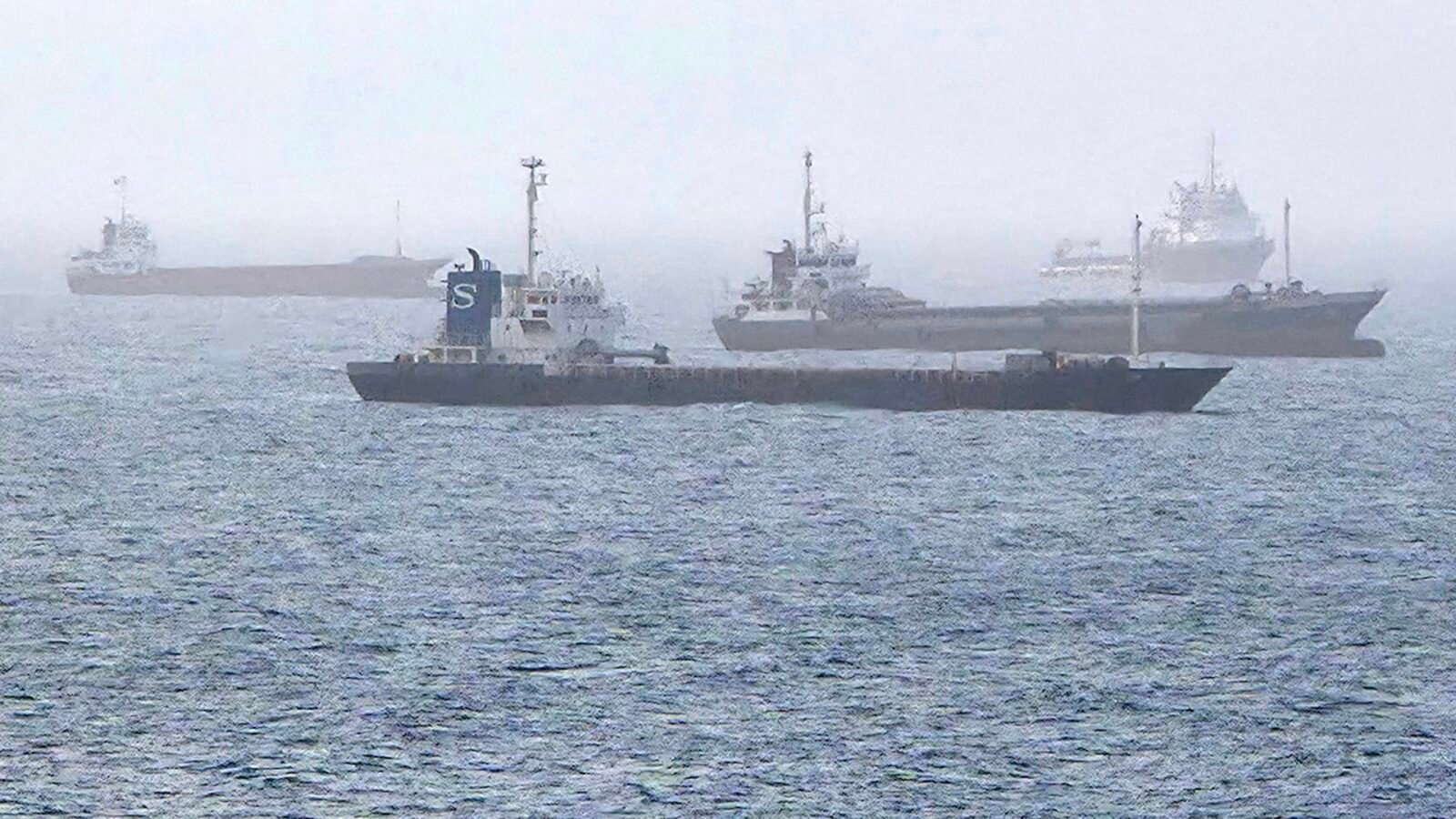
More than 17 million barrels of oil moved by ship through the Strait of Hormuz on Monday, a record since the Iran war began in late February, U.S. Energy Secretary Chris Wright told CNBC in an interview Wednesday.
Wright said exports from the region on Monday were actually higher than pre-war levels when accounting for the pipelines in Saudi Arabia and the United Arab Emirates that bypass the strait. Before the war started on Feb. 28, roughly 20 million barrels per day of crude and refined products passed through the chokepoint.
Speaking to CNBC’s Brian Sullivan from Venezuela, Wright argued that Iran is losing its ability to hold the global economy hostage, thanks in part to U.S. military assistance that helps tankers navigate Hormuz safely. Tehran is “causing some disruption but they are losing that card,” he said.
U.S. military shipping corridor
The U.S. military has set up a protected shipping lane along Oman’s coast, which tankers from Gulf allies use to transit the strait — often at night and with transponders off to lower the risk of attack. Iran has repeatedly struck vessels using that corridor, demanding instead that commercial ships take a northern route through Iranian territorial waters. At least two tankers have come under attack in the strait this week.
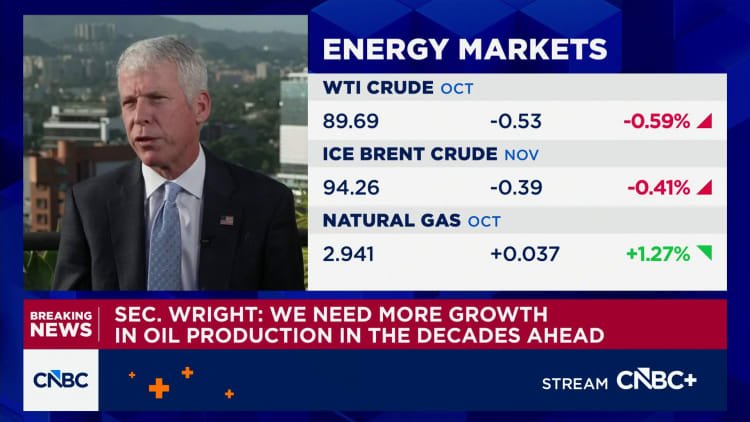
“With or without Iran, oil and gas will flow out of the Arabian Gulf region and it’s happening,” Wright told CNBC.
The Energy Secretary’s remarks came five days after President Donald Trump announced a major oil agreement with Venezuela’s government, during a trip that included the CNBC interview.
Diverging tanker data
The U.S. government’s figures for Hormuz oil flows have been higher than those reported by independent ship-tracking firms. Wright has said the U.S. military and Department of Energy possess the most accurate data, since private trackers often miss covert or darkened transits.
U.S. crude futures were down about 1% on Wednesday, though the contract hovered near $90 per barrel earlier in the session as Washington and Tehran exchanged military strikes, interrupting a stretch of relative calm.
Source: www.cnbc.com — https://www.cnbc.com/2026/09/02/energy-secretary-chris-wright-tells-cnbc-that-more-than-17-million-barrels-of-oil-transited-hormuz-on-monday.html
This article is for informational purposes only and does not constitute financial, investment, tax, or legal advice. Do your own research and consult a licensed professional before making financial decisions.