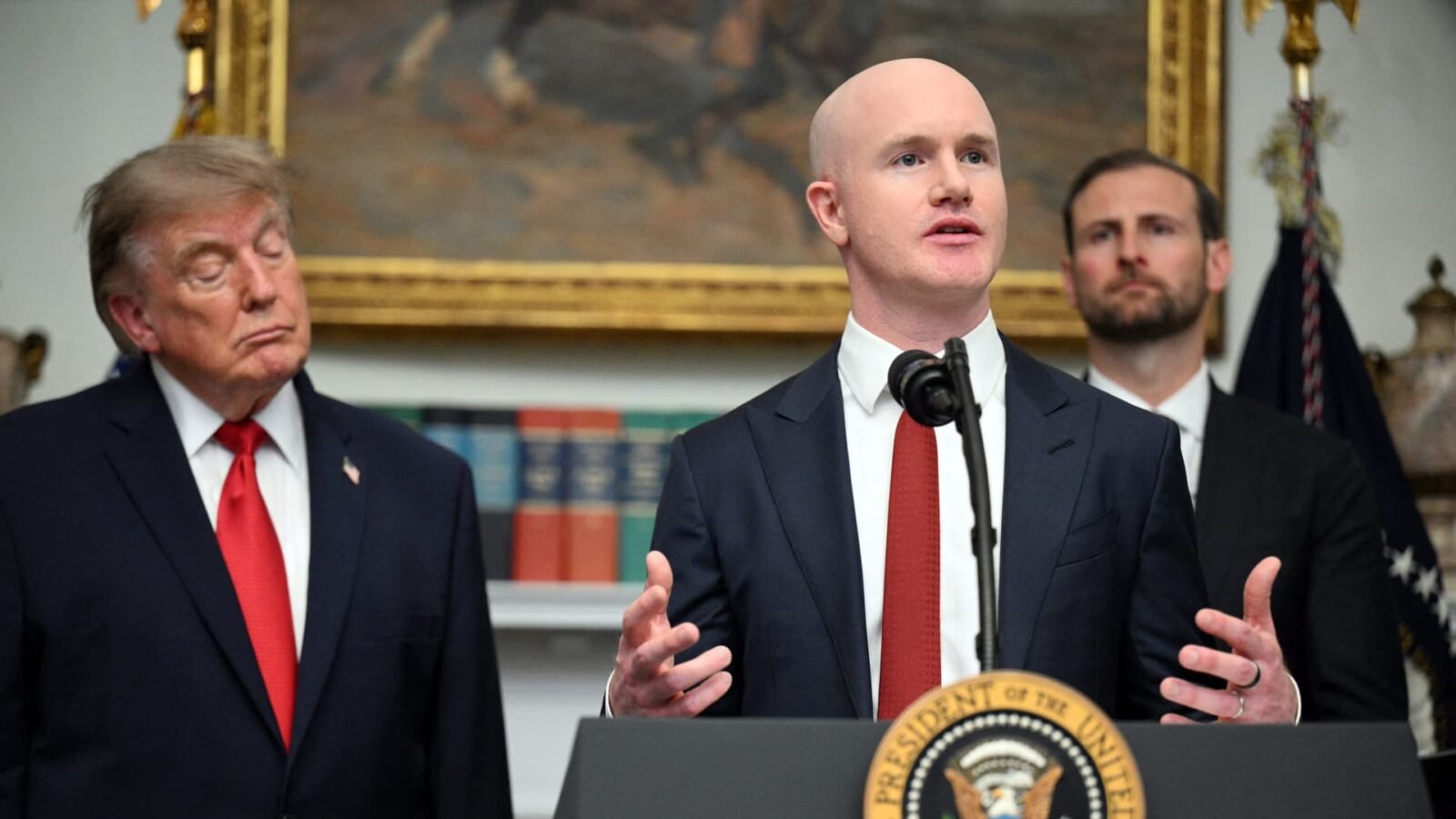
Coinbase CEO Brian Armstrong expects the U.S. crypto industry to get the regulatory clarity it has been waiting for — with or without the Clarity Act.
In an interview with CNBC’s “Squawk Box Asia” on Thursday, Armstrong said the market structure legislation appears to have the support needed to clear the Senate. The bill is set for a vote on Sept. 15.
“Frankly, if it doesn’t pass, it’s also going to be a good outcome because the SEC and the CFTC have said that they’re ready to publish rulemaking, and we’re going to get regulatory clarity one way or another on the 15th or the day or two after,” Armstrong said.
What the bill would do
The Clarity Act, introduced in May 2025, is designed to set a federal framework for digital assets and draw a line between the oversight responsibilities of the Securities and Exchange Commission and the Commodity Futures Trading Commission. It cleared the House last July and now faces a Senate vote.
Armstrong said the legislation has backing from crypto firms, law-enforcement groups and several banks, and that people he has spoken with are on board with it.
The main obstacle is procedural: securing 60 votes. Ethics provisions are among the outstanding issues still being negotiated, and Armstrong said the details were still being worked out but appeared “very close to a solution” ahead of the vote.
Senator Ruben Gallego, an Arizona Democrat, framed the path to passage during the Wyoming Blockchain Symposium last month. “The way to get 60 votes is with good ethics legislation as well as rounding out some of the things that are still outstanding,” he said.
Armstrong described passage as a “regulatory checkbox” — a milestone that could unlock institutional capital and open the door to products such as tokenized equities in the U.S. “It’d be a big milestone,” he said.
A business in transition
The regulatory debate is playing out against a shifting backdrop at Coinbase itself. Armstrong said crypto spot trading, which generates about half of the company’s revenue, has “basically been down for the last year.”
The company has pushed into stocks, commodities and foreign exchange, while non-trading revenue comes from areas including stablecoins and institutional custody.
The diversification effort has yet to offset the pressure. Coinbase reported second-quarter results in July showing revenue of $1.2 billion, down from $1.5 billion a year earlier, and a net loss of $359.5 million versus a profit of $1.43 billion in the year-ago period. It was the third consecutive quarter in which the company missed Wall Street’s expectations for both revenue and earnings.
Coinbase shares have fallen nearly 23% so far this year. Armstrong tied some of the strain on the company’s financials to the prolonged slump in spot trading.
Looking overseas
Coinbase has been building out its international footprint as well, establishing a presence in the United Arab Emirates and Singapore, which Armstrong described as its Asia hub.
Those hubs mattered during stretches when the U.S. regulatory climate was less welcoming, he said, and the company continues to look at markets where governments are more receptive to crypto.
“We basically just try to grow when we have windows and we try to bide our time in the areas where we’re sensing hostility,” Armstrong said.
With the Senate vote days away, the near-term question for Coinbase and the broader industry is whether the Clarity Act’s framework arrives through legislation — or through agency rulemaking that Armstrong expects to follow regardless.
Source: www.cnbc.com — https://www.cnbc.com/2026/09/10/coinbase-ceo-brian-armstrongto-us-regulatory-clarity-regardless-of-clarity-act-vote-crypto.html
This article is for informational purposes only and does not constitute financial, investment, tax, or legal advice. Do your own research and consult a licensed professional before making financial decisions.