U.S. crude oil climbed back above $100 a barrel this week, with the front-month contract settling above $102 on Thursday — its highest close since May — as fighting escalated in the Middle East and a key Saudi pipeline was shut down following multiple attacks.
The move caps a sharp reversal. Futures had tumbled to a summer low of $68.55, hit roughly three weeks after Washington and Tehran signed a memorandum of understanding on June 17 that has since collapsed. From that trough, prices have surged about 50%, though they remain well below the wartime closing high of $112.95 set on April 7.
According to CNBC, the question now is whether China’s refiners will amplify the rally or keep a lid on it.
A risk premium rebuilt
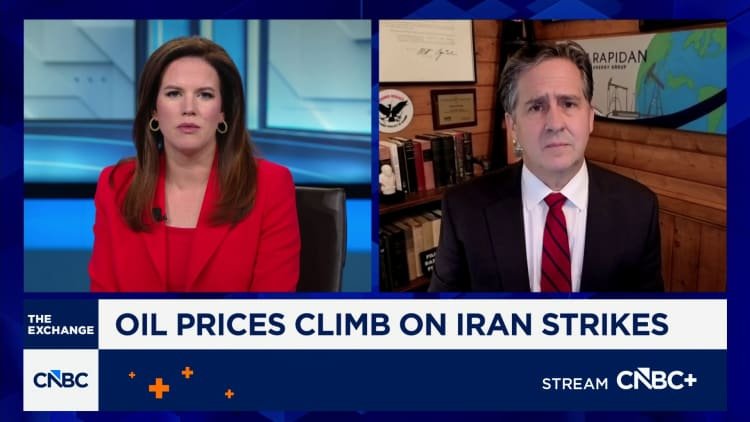
The market has gradually restored a risk premium since the memorandum fell apart and the U.S. reimposed a naval blockade of Iran in July, said Bob McNally, president of Rapidan Energy, in comments to CNBC. Saudi Arabia’s East-West pipeline — a critical conduit for crude — has been shut after repeated attacks, adding to the supply worries.
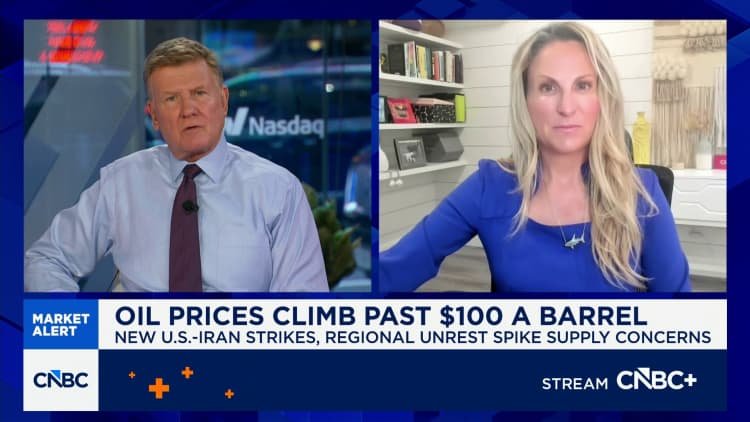
Even so, McNally and others argue the market has yet to fully price in a potential rebound in Chinese buying. Rebecca Babin, senior energy trader at CIBC Private Wealth, told CNBC’s “Squawk Box” that a stronger demand pull from Chinese refiners could tighten the market further as they ramp up runs.
“What isn’t reflected is the fact that we may actually see a stronger demand pull for crude as refiners start to really try to ramp up in China, tightening the market further,” Babin said.
China’s ‘crash diet’
China has been the swing consumer keeping prices from spiking. McNally told CNBC’s “The Exchange” that Beijing slashed crude imports by between 3 million and 5 million barrels per day, leaning instead on a petroleum reserve of more than 1 billion barrels.
“The biggest factor containing crude oil prices since this thing started is China’s crash diet,” McNally said. “It’s coming off the diet and it’s thirsty and it’s hungry — it’s starting to bid crude up.”
The incentive to return is straightforward: diesel refining margins have soared as the Iran and Ukraine wars have knocked out a significant share of global refining capacity. Babin said those margins are now so extreme that Chinese refiners “literally can’t pass it up,” adding that they will buy crude, put product on the market, and make money.
Kpler data cited by CNBC show how far imports fell and how far they have recovered. China’s crude purchases dropped to a wartime low of roughly 6 million barrels per day in June, a nearly 50% decline from 11.5 million bpd in February. Imports then recovered to about 7 million bpd in July and August.
Not everyone expects a dramatic surge from here. Matt Smith, director of commodity research at Kpler, said September buying activity is running at a similar level to July and August and is unlikely to ramp up much beyond that. Beijing “is a very savvy buyer and will lean more on inventories and keeping refinery runs in check rather than buying oil in triple digits,” Smith told CNBC.
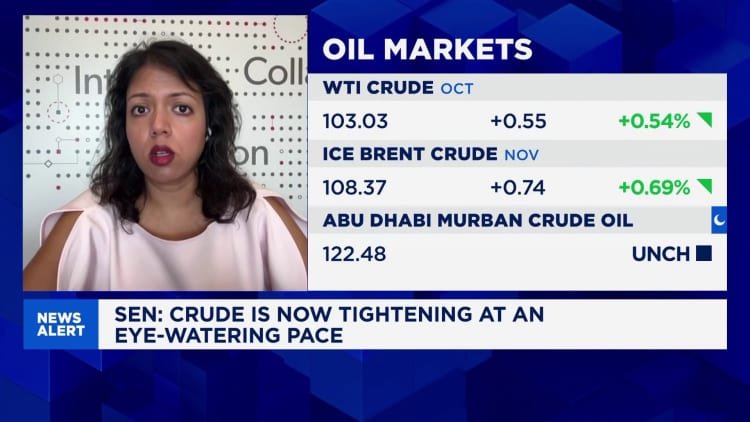
Amrita Sen, founder of Energy Aspects, told CNBC’s “Access Middle East” that Chinese purchases are not expected to return to prewar levels, though they have increased relative to the spring.
Thinning buffers
What could push prices higher regardless of China’s appetite is the shrinking cushion of global inventories. Emergency stockpile releases are nearing an end, and the U.S. Energy Information Administration estimates global inventories have plunged by 400 million barrels over more than six months of war — eroding one of the buffers that kept a lid on prices earlier this year.
McNally also pointed to a shift in market psychology. With summer over, no peace deal in place, and the war ongoing, he said the market’s willingness to sell off on verbal intervention and talk of peace being around the corner “seems to be ebbing a little bit,” suggesting the Trump administration’s efforts to talk prices down carry less weight than before.
Source: www.cnbc.com — https://www.cnbc.com/2026/09/12/oils-roundtrip-back-to-100-why-china-could-determine-what-happens-next.html
This article is for informational purposes only and does not constitute financial, investment, tax, or legal advice. Do your own research and consult a licensed professional before making financial decisions.