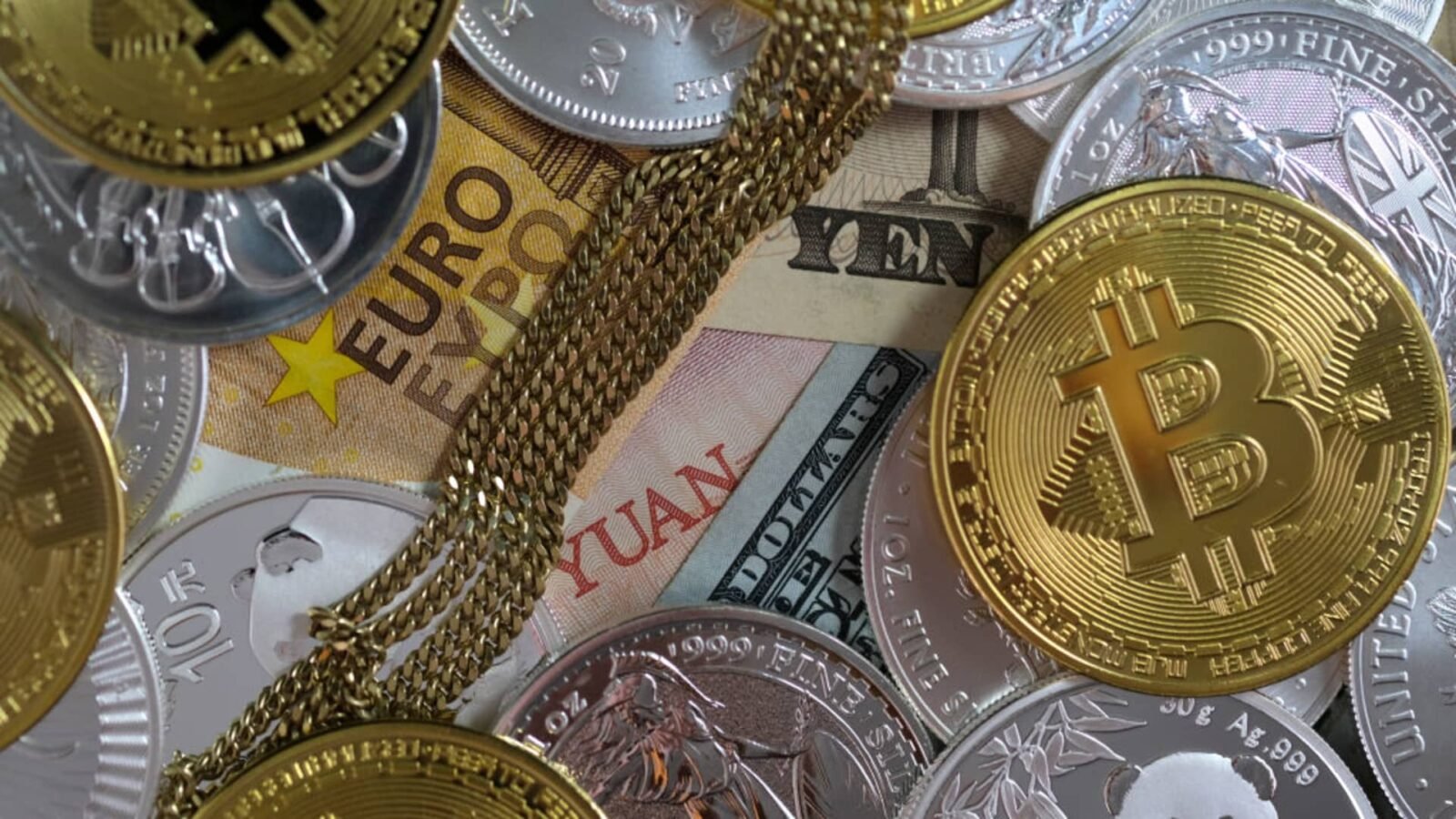
The so-called debasement trade is back in vogue on Wall Street, fueled by fresh alarm over the size and cost of the U.S. budget deficit. Investors are piling into assets perceived as hard stores of value — cryptocurrencies and precious metals — as a hedge against a softer dollar and the growing burden of Treasury debt, according to a CNBC report.
The anxieties reached a fever pitch last week around an unusual move by the Treasury Department to increase its debt buybacks under Secretary Scott Bessent. Stephen Coltman, head of macro at crypto-focused ETF issuer 21Shares, told CNBC that while the size of the Treasury’s announced purchases is “trivial” relative to the overall market, the signaling effect was “very powerful.”
Gold, bitcoin surge on debt fears
Gold hit three-month highs on Monday, building on a weekly gain of more than 5%. The metal has risen for five consecutive weeks and is on pace for its largest monthly advance since 1999. Bitcoin added 2% on Monday, reaching its highest level since May, after surging 22% last week — its biggest three-day rally since 2023. Overnight Tuesday, the cryptocurrency touched $80,000.
The U.S. dollar index, which measures the greenback against six major peers, fell to three-month lows last week and posted its third decline in four weeks. The index was little changed on Monday, with investors showing little appetite to bid up the dollar.
The Treasury said last week it would double the maximum size of its bond buyback to at least $4 billion from $2 billion. Two senior Treasury officials told CNBC on Monday that the department could tap its General Account to help fund the plans. The announcement followed news that the monthly U.S. budget deficit in July hit a five-year high, and it came as total federal debt topped $40 trillion. Bessent told CNBC last week that he has a “big toolkit” to calm the government bond market amid concerns about fiscal health.
Bond market signals strain
Long-dated Treasury yields surged last week, at one point pushing the 30-year yield to nearly a 20-year high of 5.34%, up from 4.82% in late June. Yields dipped and then rebounded after the buyback announcement, a sign that bond investors viewed Bessent’s measures as insufficient.
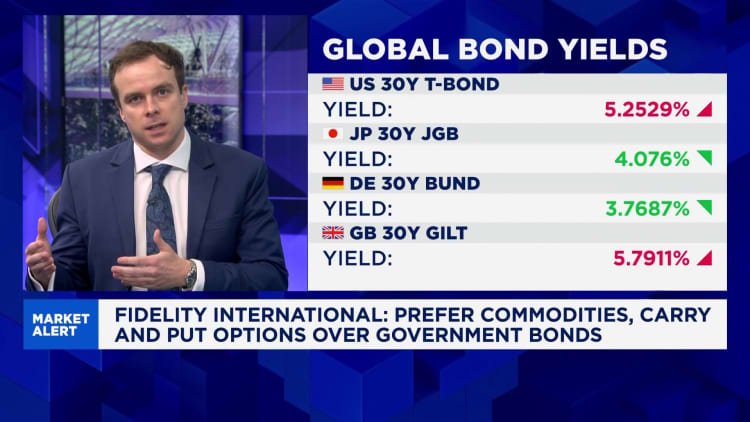
“Markets are saying something,” billionaire philanthropist and former energy trader John Arnold wrote in a Friday post on X, noting that the weaker dollar, lower Treasury prices, and strengthening hard assets are “all part of the debasement trade.”
Nohshad Shah, head of fixed income sales for Europe, the Middle East and Africa at Citadel Securities, said the Treasury’s moves could aid the bond market but might translate into outsized pain for the dollar. A weaker greenback can ease financial conditions, but it could also worsen U.S. inflation, which has run above the Federal Reserve’s 2% target for five years. Shah suggested the Fed might need to hike interest rates in response.
Fed funds futures now reflect roughly a 56% chance the central bank raises borrowing costs at its October meeting, up more than seven percentage points from a week earlier, according to CME’s FedWatch tool. “The bond market’s message is straightforward: fiscal or monetary policy should be tighter,” Shah wrote in a Monday note. “Households may ultimately pay for policymakers’ unwillingness to fix the roof whilst the sun is shining.”
Wall Street weighs in
Coltman said the appetite for alternative stores of value also reflects mounting geopolitical tension. The U.S. on Monday unveiled a global sanctions program aimed at isolating Iran from the global economy, days after imposing 50% tariffs on billions of dollars in Canadian exports.
Still, assets that benefit from a debasement trade have drawn endorsements from major financial institutions. Deutsche Bank analyst Michael Hsueh said in a Monday note that gold could exceed his target price of $4,800 an ounce — a level that implies a gain of only about 3% from Friday’s close. “We see the Treasury policy change as underlining the gold constructive view,” Hsueh said.
Billionaire investor Ray Dalio, founder of Bridgewater Associates, recommended investors remain overweight gold and bitcoin ahead of what he warned could become a U.S. debt crisis driven by unchecked government spending. Dalio suggested gold could account for as much as 15% of a model portfolio. “The government’s financial condition is at an inflection point,” he wrote on LinkedIn Friday. “If this is not dealt with now, the debts will build up to levels where they can’t be managed without great trauma.”
Not everyone is convinced. Alexander Lis, investing chief at Social Discovery Ventures, said it’s probably too early to endorse the debasement trade unless it becomes clear the Fed will go along with the Treasury’s policies.
Source: www.cnbc.com — https://www.cnbc.com/2026/08/25/debasement-trade-debt-gold-bitcoin-dollar.html
This article is for informational purposes only and does not constitute financial, investment, tax, or legal advice. Do your own research and consult a licensed professional before making financial decisions.