U.S. wholesale prices pushed higher in August, according to a Bureau of Labor Statistics report released Thursday that now sits squarely in front of the Federal Reserve as it weighs its next move on interest rates.
The producer price index, which tracks final-demand costs for goods and services, rose a seasonally adjusted 0.4% for the month, matching the Dow Jones consensus estimate. On a 12-month basis, PPI stood at 5.4%, a full 0.1 percentage point above what economists had expected and still far above the Fed’s 2% inflation target, CNBC reported.
The reading follows a July print that was revised slightly higher, to a 0.1% gain from an initial estimate of no change.
Energy Does the Heavy Lifting
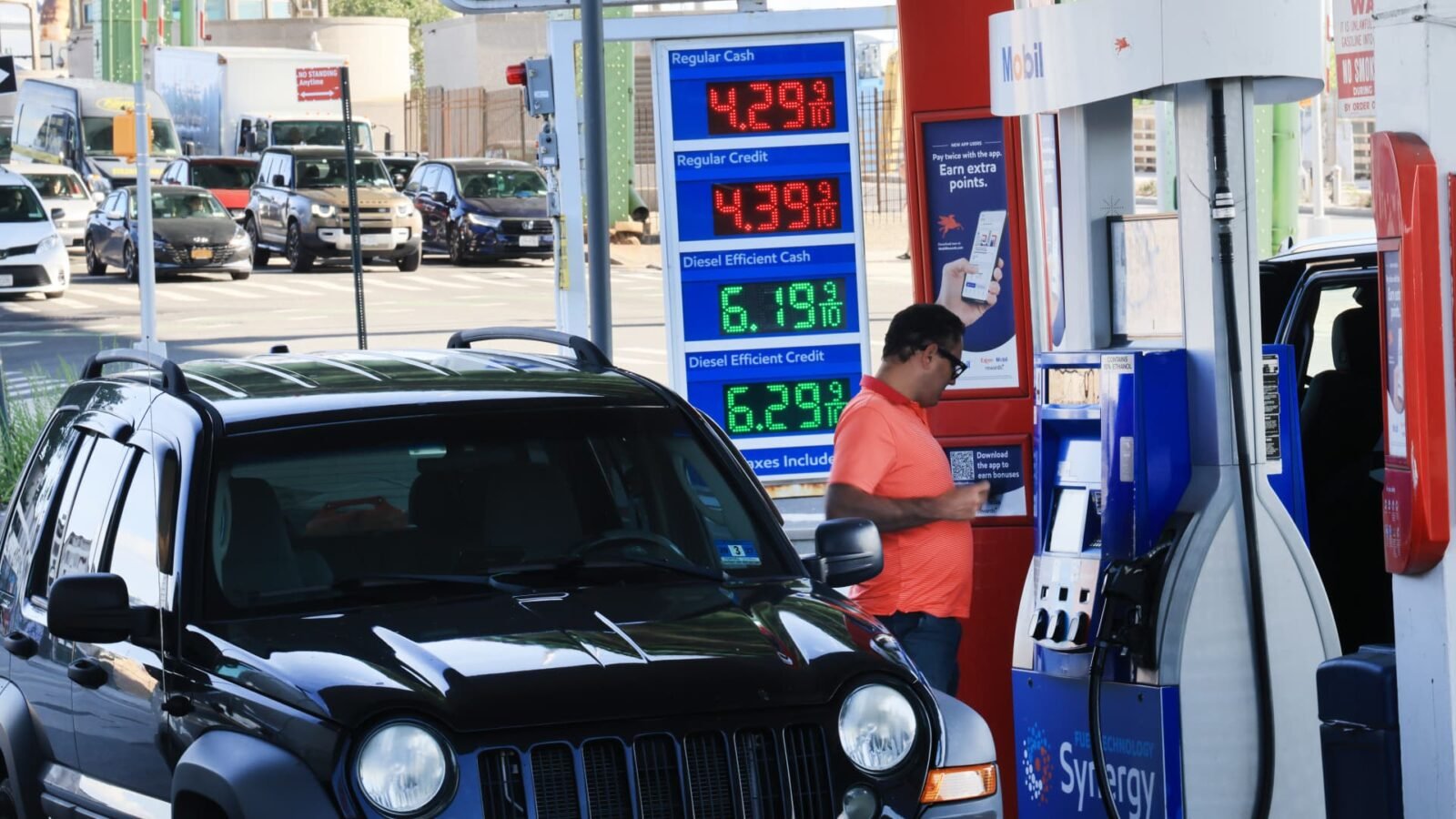
Most of August’s increase traced back to energy and goods. Final-demand energy prices jumped 4.2%, driven largely by diesel, which surged 24.1% for the month. Goods prices overall climbed 1.1%.
Services offered a partial offset. Services prices rose just 0.1%, though a 2.3% increase in transportation and warehousing accounted for much of that gain.
Core PPI, which strips out food and energy, accelerated 0.2% — below the 0.3% forecast. A narrower measure that also excludes trade services rose 0.3%.
The report landed on a turbulent morning for markets. Stock futures turned negative after the release, and the timing coincided with U.S. crude oil prices topping $100 a barrel. Treasury yields moved sharply higher as well.
One closely watched line item inside the PPI calculation, portfolio management costs, fell 1.6% for the month, though it remained up 18.8% from a year earlier.
What It Means for the Fed
With headline PPI running at 5.4% annually, the data reinforce the case that price pressures have yet to settle back toward the central bank’s target. The monthly increase landing in line with expectations gives policymakers little reason to dismiss the report as an outlier — and the annual surprise to the upside complicates any argument that inflation is cooling on schedule.
The combination of rising wholesale costs and oil above $100 a barrel is exactly the kind of backdrop that keeps rate decisions difficult. Energy-driven inflation can fade quickly if crude retreats, but it can also bleed into transportation, shipping and production costs that show up in consumer prices later.
The Fed’s next rate decision, which the report could influence, was not detailed in the source material. This story is developing.
Source: www.cnbc.com — https://www.cnbc.com/2026/09/10/ppi-inflation-report-august-2026.html
This article is for informational purposes only and does not constitute financial, investment, tax, or legal advice. Do your own research and consult a licensed professional before making financial decisions.