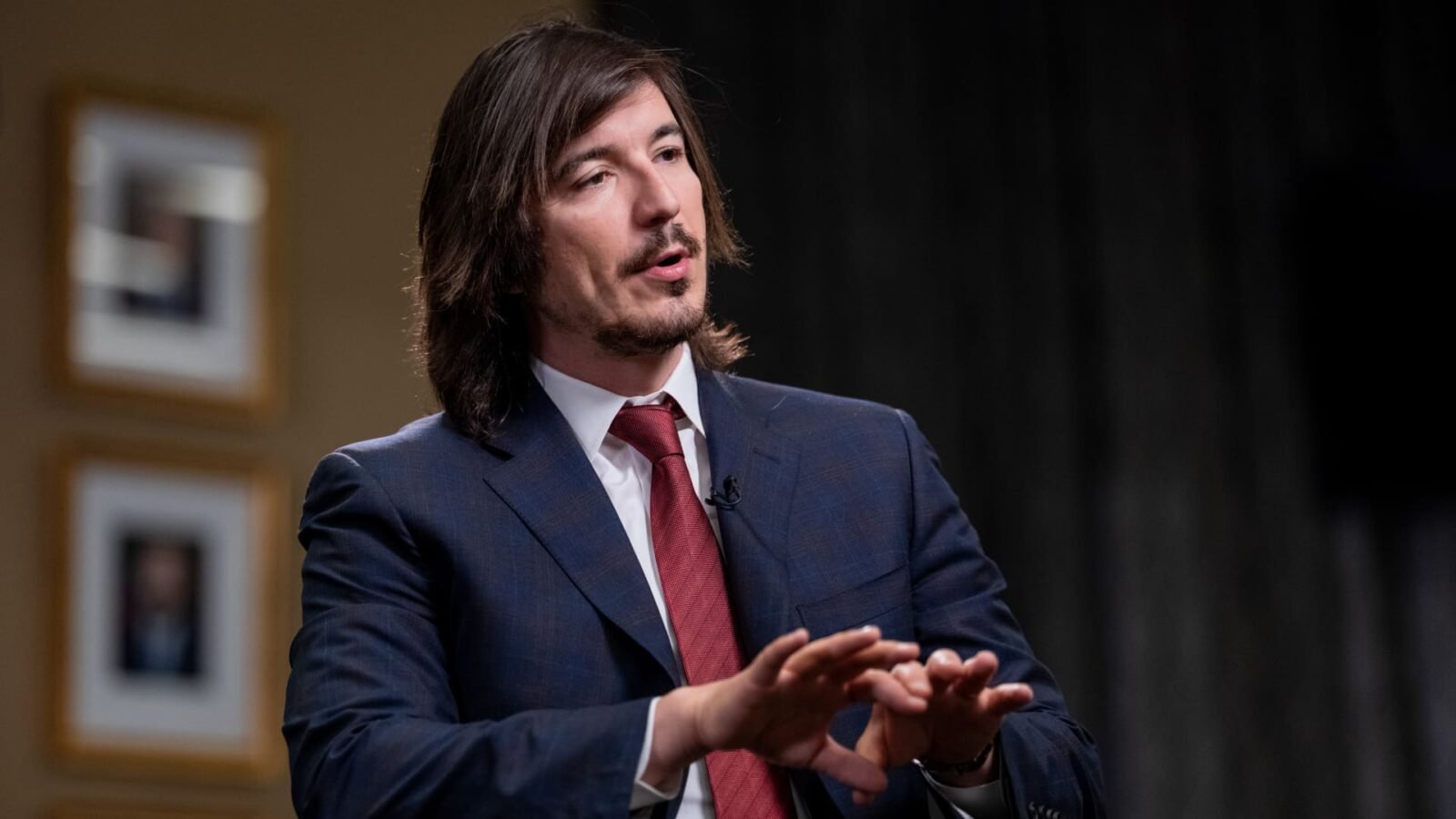
Robinhood CEO Vlad Tenev fired back at AMC on Wednesday, defending the brokerage’s move into tokenized stocks and arguing that public companies can’t dictate what financial products other firms build around their shares once they’re listed.
Speaking on CNBC’s “Squawk Box,” Tenev framed tokenization as a “technology-neutral financial wrapper” around publicly traded stocks. His comments come after AMC CEO Adam Aron sharply criticized Robinhood’s offering of tokenized AMC shares, saying the practice lets brokers create exposure to a stock without the issuing company’s involvement and undermines the traditional company-shareholder relationship.
Tokenization is the process of issuing digital representations of publicly traded securities, real-world assets, or other forms of value on a blockchain network. Notably, holders of tokenized assets don’t have outright ownership of the assets themselves.
‘Issuers don’t control everything’
Tenev acknowledged that issuers retain control over the rights and obligations of the stock they issue, but said that doesn’t extend to preventing other firms from creating their own securities that reference those shares.
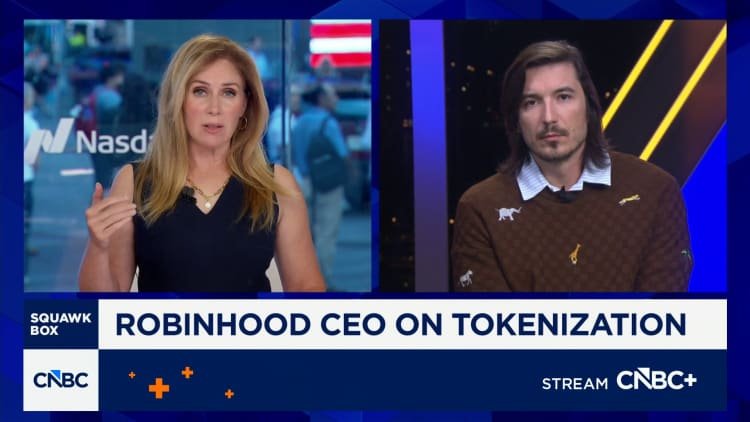
“Issuers should have control and do have control over the rights and obligations of the stock that they issue, but that doesn’t mean they control everything about it,” Tenev said. “In particular, they don’t control other companies issuing their own securities that reference those shares.”
He added that whether issuer consent is required depends on the specific product. For Robinhood’s stock tokens — which are tokenized securities issued by a separate entity and backed by underlying shares — Tenev said consent should not be automatic.
Voting rights question remains
Tenev acknowledged a key difference between owning a token and owning the stock directly: holders of Robinhood’s stock tokens don’t have voting rights in the underlying company. The tokens are structured as debt securities backed by the shares, meaning the economic exposure exists without the usual shareholder privileges.
When pressed on how Robinhood plans to handle the voting rights attached to the underlying shares it holds, Tenev declined to commit, saying the company “hasn’t really announced plans for the voting aspect of that.”
The dispute highlights a growing tension in markets as tokenized securities gain traction, with issuers like AMC pushing back on products they see as circumventing their control, while platforms like Robinhood argue the practice is a natural extension of public markets. No resolution between the two companies was announced.
Source: www.cnbc.com — https://www.cnbc.com/2026/09/09/robinhood-ceo-says-companies-cant-control-how-their-stock-is-tokenized-as-amc-clash-escalates.html
This article is for informational purposes only and does not constitute financial, investment, tax, or legal advice. Do your own research and consult a licensed professional before making financial decisions.