Oil prices extended their decline Friday as traders took comfort in the partial recovery of crude shipments through the Strait of Hormuz, despite ongoing tensions between the United States and Iran that had driven markets sharply higher earlier in the week.
West Texas Intermediate futures for September delivery dropped 1.62% to $82.24 per barrel, while Brent crude futures, the international benchmark, fell 0.98% to $88.16.
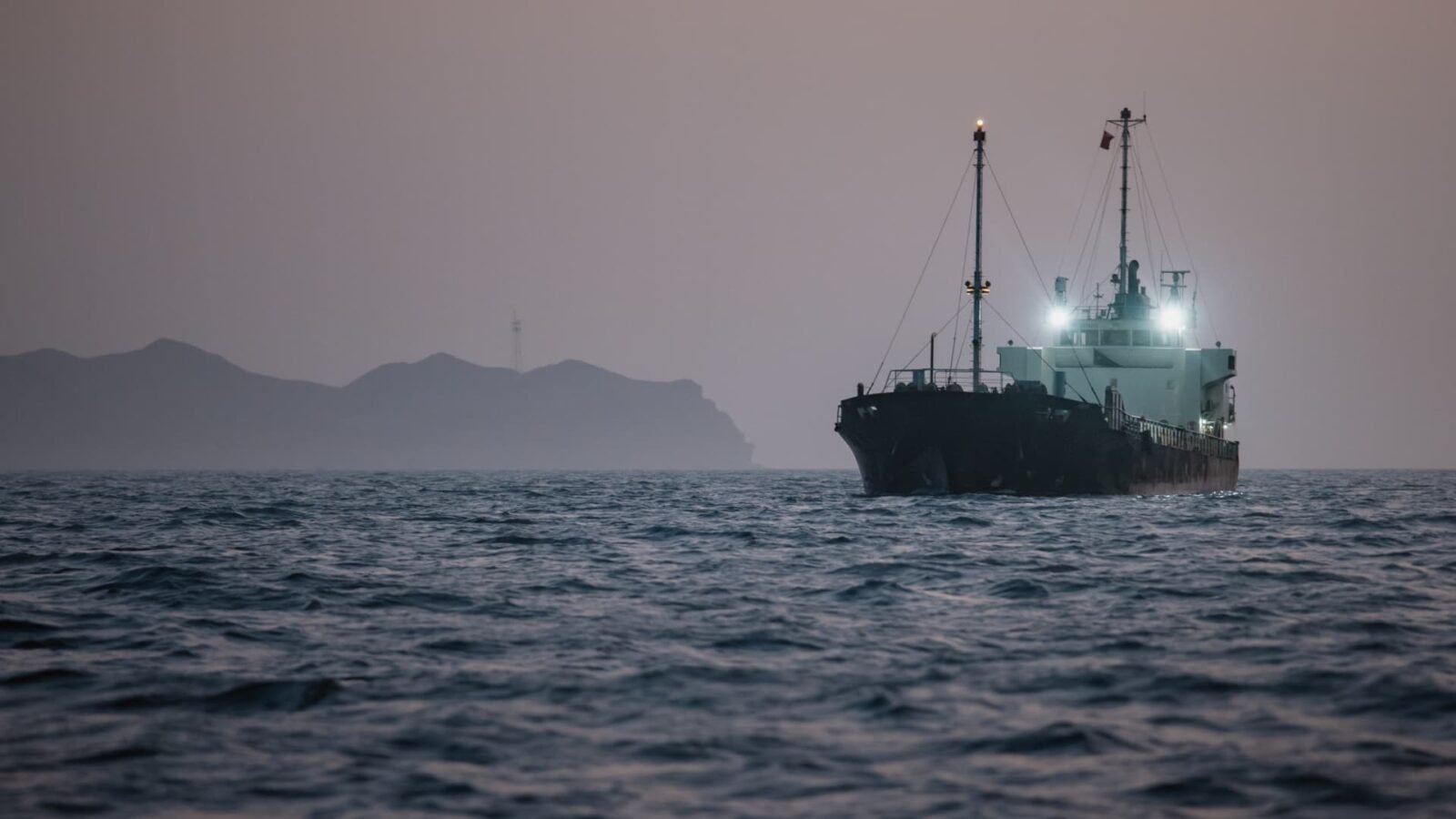
The retreat came as evidence mounted that oil flows through the strategically vital waterway were recovering from disruptions caused by U.S.-Iran strikes earlier this week. Those hostilities had briefly pushed Brent above $93 a barrel on supply fears before the situation began to stabilize.
Shipping Traffic Rebounds
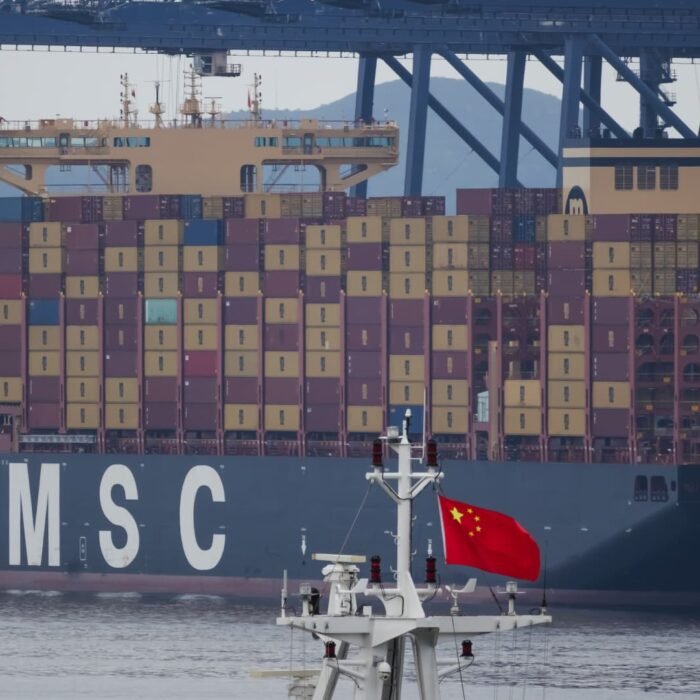
According to a note from Commonwealth Bank of Australia, traffic through the Strait of Hormuz has now recovered to roughly 30%-35% of pre-conflict levels. The bank suggested that a further rebound to around 50%-60% of normal flows could be sufficient to reassert oversupply conditions in the global oil market.
The Strait of Hormuz serves as a critical chokepoint for global energy supplies, with roughly one-fifth of the world’s petroleum passing through the narrow waterway between the Persian Gulf and the Gulf of Oman. Any sustained disruption to flows through the strait can quickly translate into price volatility.
Trump Pushes Iran Tariffs
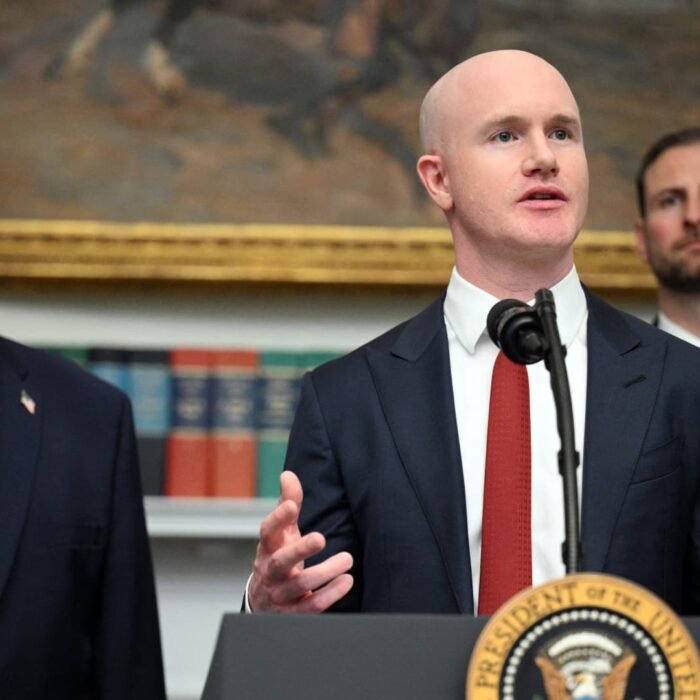
Meanwhile, investors digested President Donald Trump’s call to add tariffs on Iran to a bipartisan sanctions bill currently targeting Tehran and Russia. The proposal reflects Trump’s preference for using tariffs as an economic pressure tool, though the approach has proven divisive even as sanctions against Iran and Russia enjoy broad congressional support.
The practical impact of such tariffs would be minimal. According to the Office of the U.S. Trade Representative, the United States imported just $1.4 million in goods from Iran in 2025. Of that modest total, works of art, collectors’ pieces, and antiques accounted for 55% of the value, according to Trading Economics.
“I’d like to see tariffs on Iran. It would make it much stronger,” Trump said of the legislation, which would impose economic sanctions on Russia and those supporting its ongoing war against Ukraine.
The bill would also grant Trump authority to impose targeted tariffs on goods imported from the top five countries that purchase Russian energy and help Moscow evade existing sanctions.
Market Outlook
The decline in oil prices suggests traders are growing more confident that the recent escalation in U.S.-Iran tensions will not result in a prolonged disruption to Middle Eastern crude supplies. However, the situation remains fluid, and any renewed military action could quickly reverse the recent price pullback.
The partial recovery in Strait of Hormuz traffic indicates that shipping companies are cautiously resuming operations through the waterway, though volumes remain well below normal levels. If flows continue to normalize in the coming days, analysts expect downward pressure on oil prices to continue as global supply concerns ease.
Source: www.cnbc.com — https://www.cnbc.com/2026/07/31/oil-prices-today-brent-wti-hormuz-trump-iran-.html
This article is for informational purposes only and does not constitute financial, investment, tax, or legal advice. Do your own research and consult a licensed professional before making financial decisions.