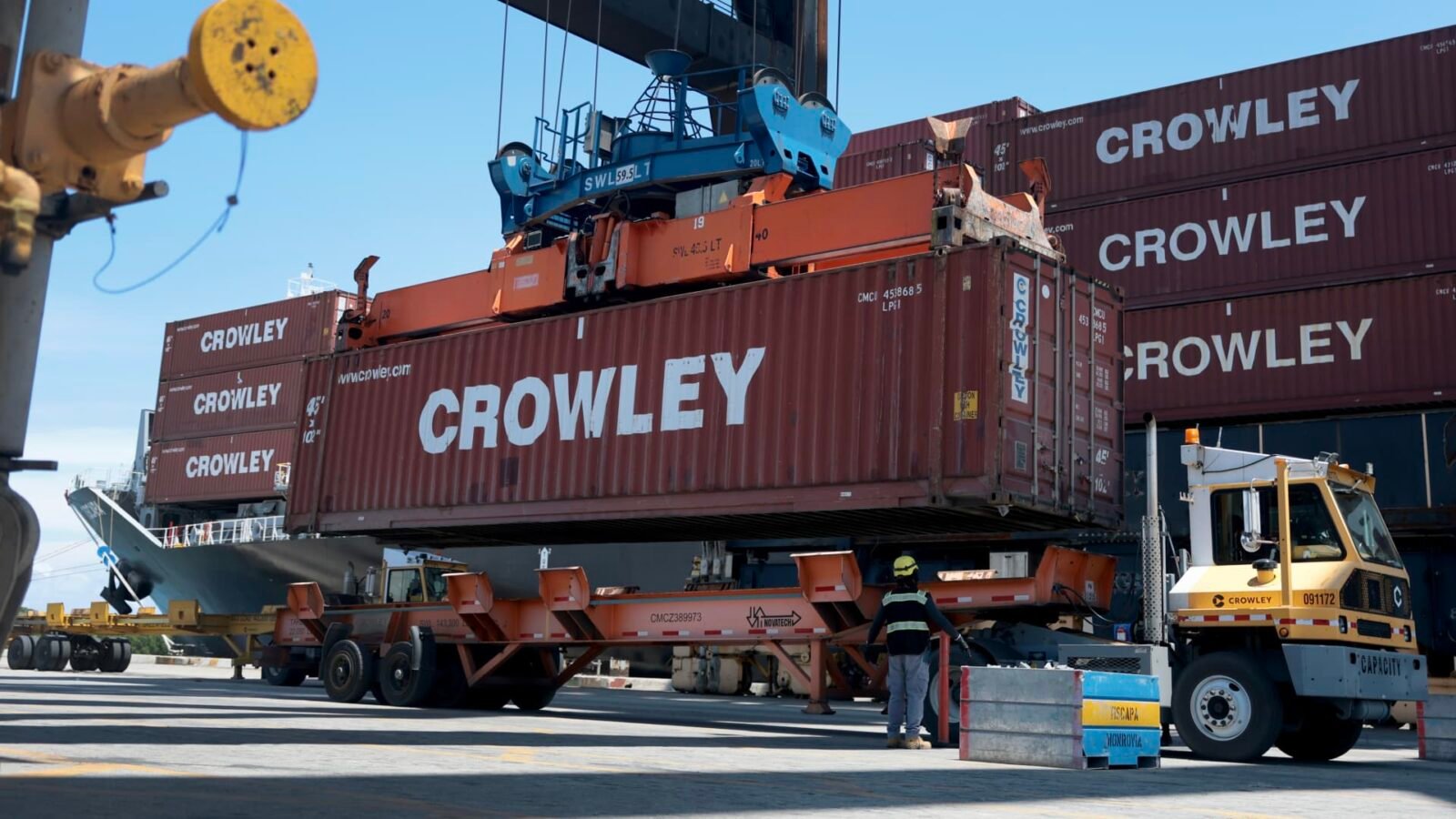
The cost of goods entering the United States rose unexpectedly in June, driven by the sharpest monthly increase in prices from China in more than 18 years, according to data released Friday by the Bureau of Labor Statistics.
Import prices climbed 0.3% for the month, contrary to economist expectations for a 0.8% decline. On an annual basis, import prices jumped 7.1%, marking the largest year-over-year gain since August 2022.
The report points to a potential broadening of inflationary pressures as businesses confront rising costs across multiple categories, even as energy prices provided some relief during the month.
China and Technology Costs Drive Increases
Import prices from China rose 0.9% in June, the steepest monthly increase since January 2008. The data may reflect the impact of tariffs on trade flows. Over the past 12 months, prices of Chinese imports have climbed 1.3%, the largest annual gain since the period ending in November 2022.
The artificial intelligence boom appears to be putting upward pressure on certain categories. Costs increased notably for computers, peripherals, and semiconductors, suggesting supply chain strain as companies race to build out AI infrastructure.
Beyond technology, industrial and service machinery also contributed to higher costs. These gains more than offset a 0.4% decrease in fuels and lubricants. The industrial and service machinery category had already posted a substantial 12.6% surge in May.
Export Trends Tell Different Story
While import prices rose, export prices moved in the opposite direction. Overall export prices decreased 0.6% in June, the first monthly decline since May 2025. However, on an annual basis, export prices remained elevated at 10.2% higher than a year earlier.
Export prices to China specifically fell 0.2% for the month but were up 7.4% year-over-year, the largest annual increase since August 2022.
Fed Faces Persistent Inflation Concerns
The import price data adds another layer of complexity for Federal Reserve policymakers wrestling with inflation that remains well above the central bank’s 2% target. Earlier in the week, the BLS reported that both consumer and wholesale prices declined in June, largely due to falling energy costs as geopolitical tensions between the U.S. and Iran temporarily eased.
Despite those softer readings, inflation remains a concern. Consumer prices stood 3.5% above year-ago levels, while wholesale costs were up 5.5% annually.
Fed Chairman Kevin Warsh told Congress this week that the June inflation reports don’t signal the central bank’s job is complete. The Fed has been managing inflation challenges since prices spiked following U.S. and Israeli attacks on Iran that began in late February.
Regional Fed presidents are signaling support for tighter policy. Dallas Fed President Lorie Logan said Thursday that benchmark interest rates should move “modestly higher” to address inflation. Cleveland Fed President Beth Hammack echoed that sentiment Friday, noting growing urgency from businesses and consumers.
“For the first time in my tenure, I’m hearing from businesses who say they think we need to take action to curb inflation, and from consumers who can’t make ends meet about a growing sense of despair,” Hammack wrote in a LinkedIn post.
The import price report suggests that while energy costs provided temporary relief in June, inflationary pressures are spreading across the economy as companies face higher costs for goods and materials.
Source: www.cnbc.com — https://www.cnbc.com/2026/07/17/import-prices-post-surprise-gain-as-costs-of-goods-from-china-hit-highest-since-2008.html
This article is for informational purposes only and does not constitute financial, investment, tax, or legal advice. Do your own research and consult a licensed professional before making financial decisions.