The Federal Reserve’s decision to hold interest rates steady this week came with an unmistakable signal that tightening may be just around the corner. Three committee members dissented in favor of raising rates immediately, marking the highest number of policymakers pushing for an increase since September 2016.
The dissents have reshaped market expectations dramatically. Fed funds futures now price in more than a 57% probability of a quarter-point rate hike at the September meeting, according to CME’s FedWatch tool. Meanwhile, Kalshi traders are similarly divided, with 53% predicting a hike versus 43% betting on another hold.
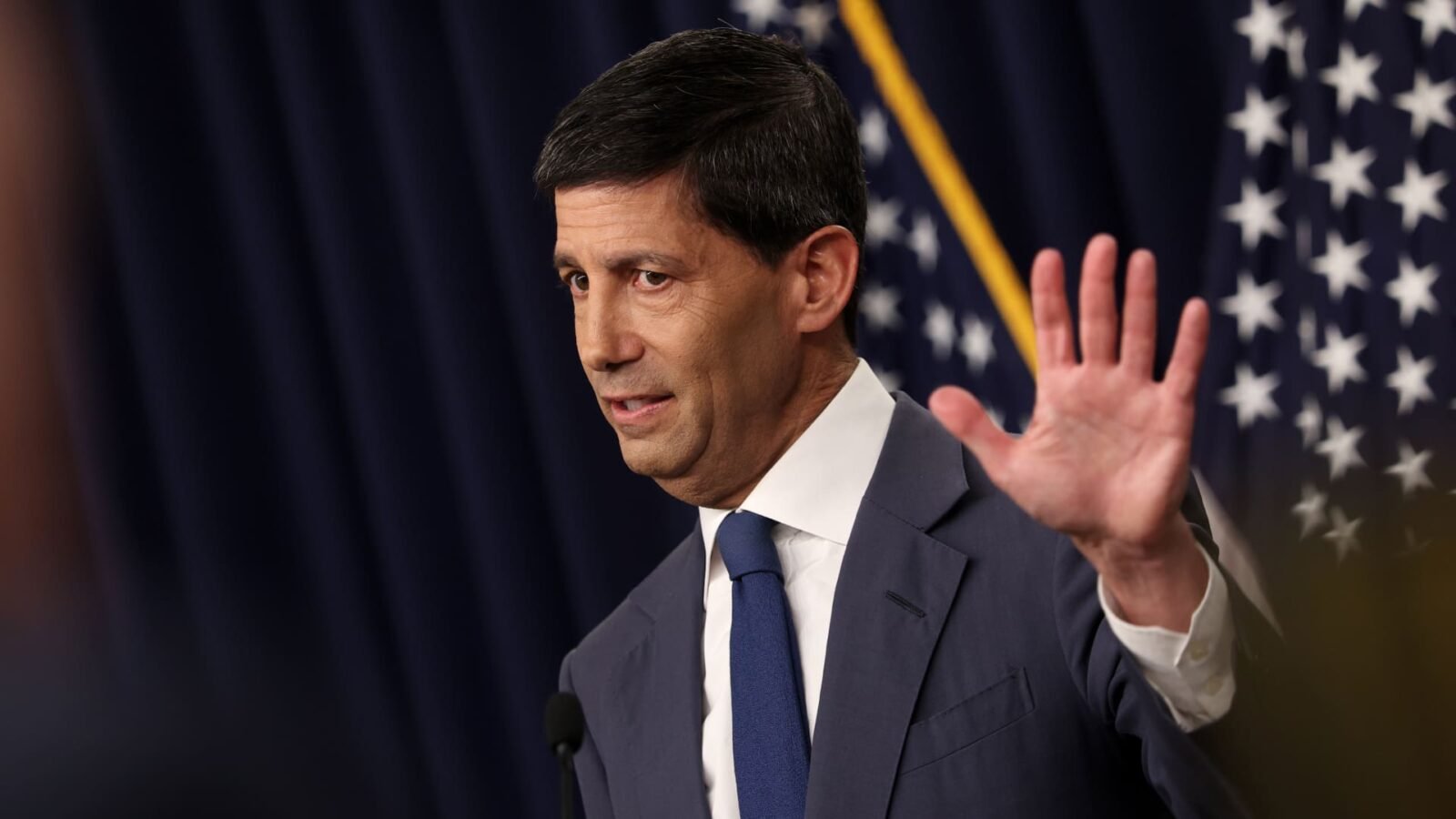
Chairman Kevin Warsh, presiding over just his second meeting at the helm, maintained his focus on bringing inflation down to the Fed’s 2% target. “You’ve heard this before, but we will deliver price stability,” Warsh said Wednesday. Yet his commentary on inflation, combined with the unusual level of dissent, has convinced many observers that the Fed’s next move will be upward rather than the rate cuts some had anticipated.
Historical Parallels to 2016
The last time three Fed officials dissented in favor of higher rates was September 2016. According to Ian Lygen, head of U.S. rates strategy at BMO Capital Markets, the Fed kept rates unchanged at its November meeting that year with two dissenters, then delivered a unanimous quarter-point increase in December.
“We’re reading this as a Committee with vocal hawks but the majority is siding with Warsh,” Lygen wrote to clients Wednesday, suggesting the current situation may follow a similar path.
Not everyone sees an imminent hike as inevitable. Stephen Douglass, chief economist at NISA Investment Advisors, characterized the outcome as a “hawkish hold” but said he still expects the Fed’s next actual move to be a cut in March of next year. Ellen Zentner, chief economic strategist for Morgan Stanley Wealth Management, noted that “September remains a live meeting,” with market pricing for a hike simply pushed forward rather than eliminated.
Energy Shocks and Inflation Concerns
The central bank faces renewed pressure from an ongoing energy price shock that threatens to push inflation readings higher. Fed watchers expect policymakers to scrutinize upcoming inflation reports closely as they weigh their next steps.
DoubleLine Capital CEO Jeffrey Gundlach argued Wednesday on CNBC that achieving the 2% inflation target will require action. “If you really want to get to 2%, I think you have to raise interest rates,” he said.
Bond markets appeared to echo that sentiment. The 30-year Treasury yield climbed more than 10 basis points Wednesday to reach its highest level since July 2007, while the benchmark 10-year yield rose above 4.6%. Shorter-dated yields pulled back as investors interpreted the Fed’s stance as willing to wait before responding to inflation pressures.
“The long bond yield went up significantly after the press conference,” Gundlach noted. “The bond market vigilantes are saying, ‘If you really want us to believe your rhetoric, you’ve got to start acting.'”
Market Reaction
Equity markets sold off sharply in response to the hawkish undertones. The S&P 500 tumbled 1.5% Wednesday, while the Dow Jones Industrial Average dropped more than 2%—its largest single-day decline since tariff-related volatility roiled markets in April 2025, according to the source material.
The Nasdaq Composite fared even worse, falling more than 10% from its all-time high and notching its sixth consecutive losing session, the first such streak since 2024. According to Bespoke Investment Group, the session marked the worst second “Fed day” for a new chairman in recent history.
Josh Jamner, senior investment strategy analyst at ClearBridge Investments, suggested the volatility reflects an adjustment period. “Financial markets are still wrestling with the shift in Fed leadership,” he said, describing increased price swings under Warsh as “more of a feature than a bug.”
With inflation still running above target and a growing chorus of committee members favoring tighter policy, investors face the prospect of a Fed that may resume its tightening cycle just as many had begun pricing in eventual cuts.
Source: www.cnbc.com — https://www.cnbc.com/2026/07/29/fed-meeting-interest-rates-warsh-stocks-bonds.html
This article is for informational purposes only and does not constitute financial, investment, tax, or legal advice. Do your own research and consult a licensed professional before making financial decisions.