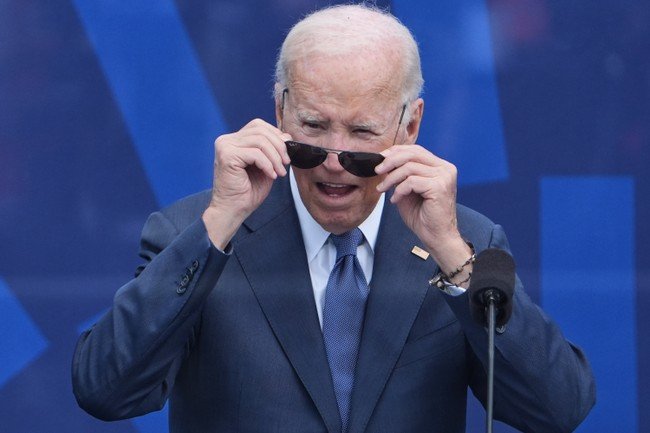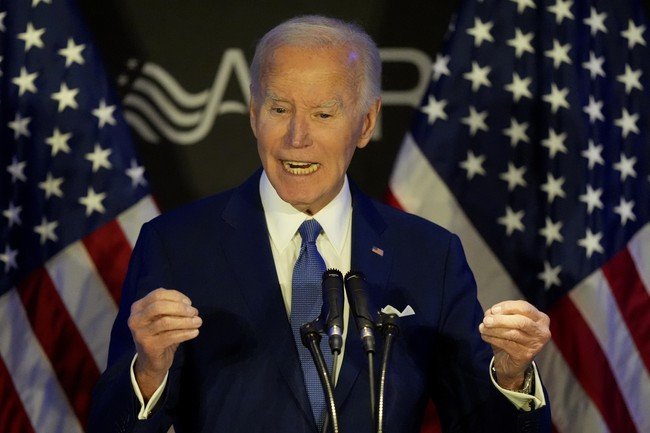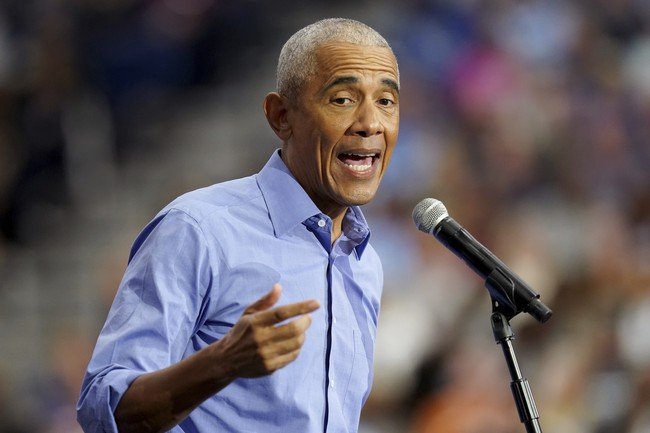
A sharp disagreement has emerged within conservative media circles over how to characterize Barack Obama’s presidential legacy, triggered by a National Review editor’s recent commentary about the former president.
The controversy began when Philip Klein, editor of National Review Online, responded to a viral video clip showing Obama offering encouragement to basketball star Caitlin Clark. Klein suggested the exchange illustrated “why Obama is hated by the far Left” while also explaining his electoral success, appearing to position Obama as occupying a centrist political space.
That characterization drew immediate pushback from other conservative voices. Sean Davis, cofounder of The Federalist, countered with polling data showing Obama maintaining a high approval rating among Democrats when he left office and continued strong support from self-identified liberals. According to Davis, a recent CNN poll showed Obama with an approval rating among liberals, suggesting the former president retains strong support from the left wing of the Democratic Party.
Policy Record Under Scrutiny
Critics of Klein’s framing point to Obama’s policy record as evidence of a distinctly progressive governing agenda. The American Recovery and Reinvestment Act of 2009 represented one of the largest federal interventions in the economy in modern history. The Affordable Care Act expanded federal involvement in healthcare, including a significant Medicaid expansion funded largely by Washington.
Obama’s use of executive action has also drawn attention in this debate. When Congress declined to pass the DREAM Act, his administration created the Deferred Action for Childhood Arrivals program through executive order, shielding certain young undocumented immigrants from deportation. Similarly, Obama committed the United States to international climate agreements through executive action rather than seeking Senate ratification through the treaty process.
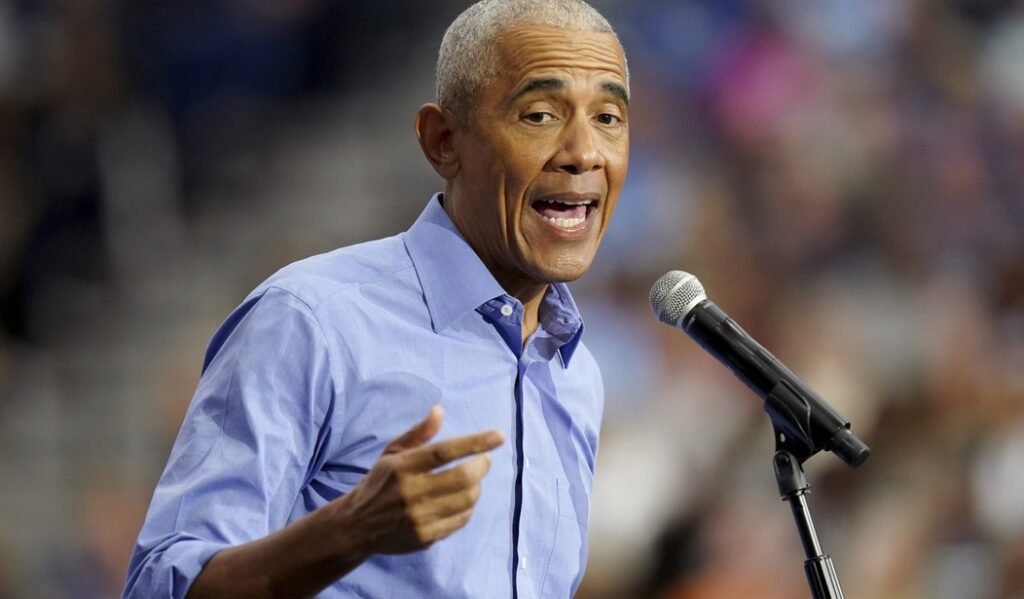
Other significant policy changes during the Obama years included the Dodd-Frank financial regulation overhaul, federal takeover of the student loan market, and reinterpretation of Title IX to include gender identity protections. His administration also ended the “Don’t Ask, Don’t Tell” policy regarding military service, instructed the Justice Department to stop defending the Defense of Marriage Act, and ultimately endorsed same-sex marriage after previously stating opposition during his first presidential campaign.
The Broader Context
The debate reflects deeper tensions about how political figures should be categorized and remembered. Those arguing against Klein’s characterization contend that Obama explicitly campaigned in 2008 on “fundamentally transforming” the United States and subsequently pursued an ambitious progressive agenda through both legislation and executive action.
According to PJ Media, the dispute raises questions about why a conservative publication would characterize Obama’s presidency as moderate when his policy achievements aligned closely with progressive goals. The outlet suggests Obama’s political skill lay partly in his ability to maintain a measured public persona while advancing substantive policy changes.
The disagreement also highlights ongoing debates within conservative media about how to analyze Democratic politicians and their legacies. While some emphasize tone and communication style as indicators of moderation, others focus primarily on policy outcomes and legislative achievements.
This intra-conservative debate comes as political observers continue assessing the lasting impact of the Obama presidency on American politics and policy. The former president remains an active figure in Democratic politics, regularly drawing both praise from supporters and criticism from opponents over his eight years in office and continued influence within his party.
Source: pjmedia.com — https://pjmedia.com/matt-margolis/2026/07/26/why-is-national-review-pretending-barack-obama-was-a-moderate-n4955465
This article is for informational purposes only and does not constitute financial, investment, tax, or legal advice. Do your own research and consult a licensed professional before making financial decisions.