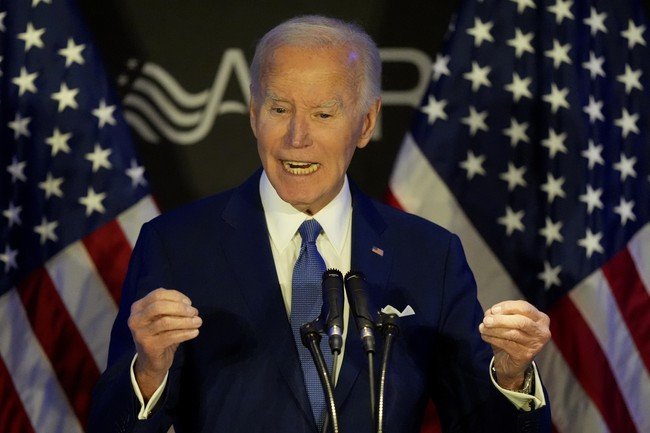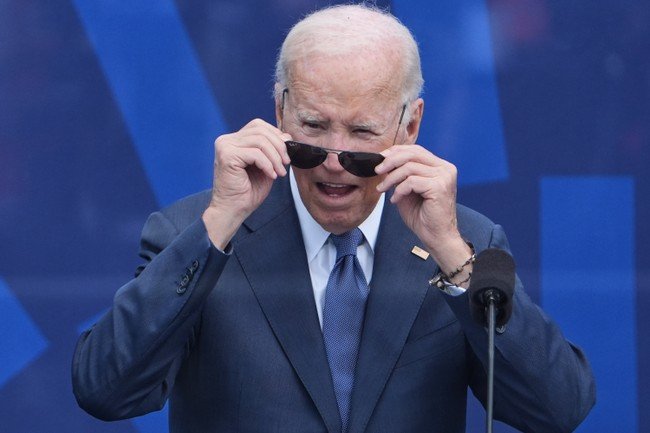
After a two-year legal battle, audio recordings that former President Joe Biden fought to keep sealed have been released to the public. The roughly 70 hours of tape capture Biden working with ghostwriter Mark Zwonitzer on his 2017 memoir and include discussions of classified material that have reignited controversy over his handling of government documents.
The recordings were made while Biden prepared “Promise Me, Dad: A Year of Hope, Hardship, and Purpose,” his memoir about his final year as vice president. Special Counsel Robert Hur cited these tapes in his February 2024 report on Biden’s handling of classified documents, which found that Biden kept volumes of notes at his home, including classified material.
The audio directly contradicts Biden’s public statements. When Hur’s report was released, Biden told reporters, “I did not share classified information. I did not share it with my ghostwriter,” and claimed ignorance about how classified documents ended up in his garage.
However, the recordings tell a different story. On tape, Biden can be heard telling Zwonitzer, “Some of this may be classified … So, be careful. I’m not sure … It’s not marked classified but…” Moments later, Biden stated more definitively, “The next thing I have here is, um, this is classified …”
Questions About Cognitive Decline
Beyond the classified material issue, the tapes appear to support Hur’s assessment of Biden’s cognitive state. The special counsel’s report described Biden as exhibiting “diminished faculties” and “painfully slow” conversations as early as 2016, ultimately declining to recommend charges partly because a jury would likely view him as “a sympathetic, well-meaning, elderly man with a poor memory.”
The recordings capture instances of Biden struggling with recall. At one point, he trails off, saying, “All right — what was I going to ask you? Something else … Uh … um. Oh gosh. I can’t think of anything else.”
In an October 2016 recording, Biden told Zwonitzer he had notes the White House wasn’t aware of, saying, “I have extensive notes over this period of time … They didn’t know I have this.” A February 2017 recording, made a month after Biden left office, captures him stating matter-of-factly, “I just found all the classified stuff downstairs” — a reference Hur cited as evidence of classified material in Biden’s Virginia rental home.
Legal Battle Over Release
The tapes became public due to efforts by the Oversight Project, a conservative nonprofit focused on government accountability. According to the organization’s vice president of litigation, Jeff Clark, the Justice Department only cooperated after Donald Trump took office. Biden’s attorneys blocked the release until a federal appeals court ruled against him on July 20.
The Oversight Project called the ruling a “complete and total victory” and posted the full recordings on YouTube for public review.
The controversy carries added irony given Biden’s public criticism of Trump’s own classified documents case. Biden called Trump’s handling of classified material at Mar-a-Lago “totally irresponsible” in a 60 Minutes interview. While a separate special counsel charged Trump over his documents, prosecutors later dropped that case.
Hur’s investigation was triggered after classified documents from Biden’s vice presidency were discovered in his home and private office. While declining to recommend charges, the special counsel noted that Biden struggled during his 2023 interview with investigators, having difficulty recalling the year his son Beau died and when Trump first won the presidency.
The release of the recordings provides the most detailed public record yet of Biden’s discussions involving classified information and offers insight into questions about his cognitive state during and after his vice presidency.
Source: pjmedia.com — https://pjmedia.com/matt-margolis/2026/07/27/the-biden-tapes-have-finally-released-what-do-they-say-n4955509
This article is for informational purposes only and does not constitute financial, investment, tax, or legal advice. Do your own research and consult a licensed professional before making financial decisions.