Oil markets are experiencing a dramatic surge, with U.S. crude topping $90 per barrel and Brent crude climbing past the $100 threshold. The rally comes amid mounting concerns over potential supply disruptions in critical Middle Eastern shipping lanes and the possibility of Iranian oil production going offline.
The immediate catalyst for the price spike centers on rising tensions in the Strait of Hormuz region. Militant attacks on American forces in Jordan and ongoing disruptions in the Red Sea by Houthi forces have created an increasingly volatile environment for global oil flows. According to CNBC’s reporting, these developments have reignited questions about just how vulnerable global oil supplies have become.
The Iranian Production Scenario
Energy analysts are now gaming out scenarios that seemed unlikely just months ago. Eric Nuttall of Ninepoint Partners laid out a stark assessment: with Middle Eastern production already down 7-8 million barrels per day, global onshore inventories at near-record seasonal lows, and a depleted U.S. Strategic Petroleum Reserve, the world cannot afford to lose Iran’s 2.6 million barrels per day of production.
Kevin Book of Clearview Energy Partners estimated that a disruption to Iranian oil would add at least $5 per barrel to prices, with the actual impact depending on the duration of any shutdown. Bob McNally of Rapidan Energy Group noted that while Iranian exports are already significantly curtailed, a complete production halt would shut down the country’s refineries and bring transportation to a standstill.
Goldman Sachs analysts suggested that Brent crude could climb above $120 per barrel in the fourth quarter if the Strait of Hormuz remains disrupted, though they noted that weaker demand from China—where crude imports remain subdued—might moderate the price spike compared to earlier projections.
Geographic Chokepoints Multiply
Beyond Hormuz, the Bab el-Mandeb Strait between Yemen and Africa has emerged as another critical pressure point. This narrow passage serves as the only southern entry to the Red Sea and handles substantial oil and product flows. Tobin Marcus of Wolfe Research warned that with Saudi Arabia now pumping more oil through its East-West pipeline to the port of Yanbu, Houthi attacks could put approximately 4.5 million barrels per day at risk.
Insurance industry sources reported that while ship owners can still obtain coverage, tanker traffic through these straits has slowed considerably as the security situation deteriorates.
Investment Implications and Energy Stocks
The oil price rally has lifted energy sector equities, with seven large-cap names posting double-digit gains this month, led by Marathon Petroleum. Wall Street analysts have turned increasingly bullish on major integrated oil companies positioned to benefit from sustained higher prices.
UBS maintains a bullish stance on Chevron, setting a $220 twelve-month price target that implies roughly 15% upside from current levels for a stock already up 25% year-to-date. The firm’s optimism is partly tied to Chevron’s involvement in a major investment program in Iraq, where American companies are committing more than $60 billion across energy, finance, consumer products, and healthcare sectors.
Evercore ISI rates ConocoPhillips favorably with a $145 price target, citing the company’s attractive free cash flow profile, though analysts there expressed some caution about a newly announced 42% stake acquisition in an Iraqi oilfield alongside BP.
Goldman Sachs initiated coverage of Excelerate Energy with a buy rating and $49 target, representing about 25% potential upside. The firm highlighted Excelerate’s roughly 25% market share in global floating regasification services and its fleet of twelve large-scale natural gas storage and regasification vessels.
Demand Resilience Despite Higher Prices
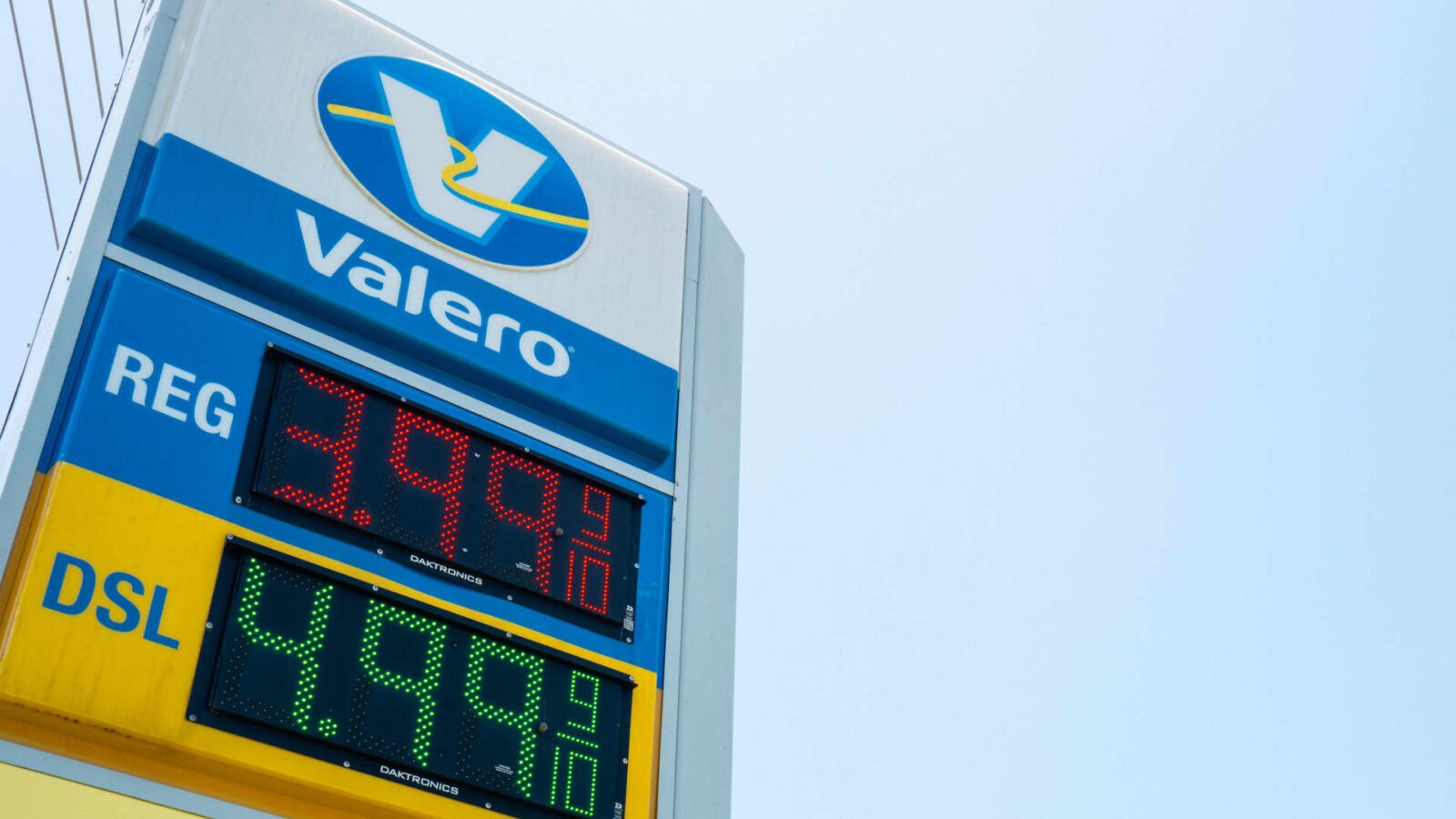
Despite the oil price surge, broader equity markets have continued to advance—a dynamic that has surprised many observers. CNBC’s reporting suggests this resilience stems from several factors: gasoline remains cheaper than during the 2022 summer peak, vehicles have become more fuel-efficient, and remote work has reduced commuting for many Americans. More significantly, massive investment in artificial intelligence infrastructure appears to be supporting incomes and economic activity enough to offset the headwind from higher energy costs.
The continued drawdown of the U.S. Strategic Petroleum Reserve has raised concerns about approaching what industry insiders call “tank bottoms”—levels at which it becomes difficult to extract significant volumes. These depleted inventory levels leave the market increasingly vulnerable to supply shocks, according to analysts at Goldman Sachs.
Source: www.cnbc.com — https://www.cnbc.com/2026/07/23/brent-crude-tops-100-a-barrel-how-the-next-stop-could-be-120.html
This article is for informational purposes only and does not constitute financial, investment, tax, or legal advice. Do your own research and consult a licensed professional before making financial decisions.