Oil prices climbed sharply Wednesday morning as diplomatic tensions between the United States and Iran showed no signs of easing, raising concerns about supply disruptions through one of the world’s most critical shipping routes.
Global benchmark Brent crude futures for July delivery traded 3.5% higher at $94.20 shortly before 5 a.m. ET, while front-month U.S. West Texas Intermediate crude futures gained 3.8% to $87.56. Both contracts had posted even steeper gains earlier in the session.
The rally followed the 11th consecutive night of U.S. military action against Iranian targets. U.S. Central Command forces struck Iranian military operations centers, maritime capabilities, aircraft hangars, drone storage facilities, and military logistics infrastructure Tuesday, according to an official statement.
Rubio Casts Doubt on Diplomatic Progress
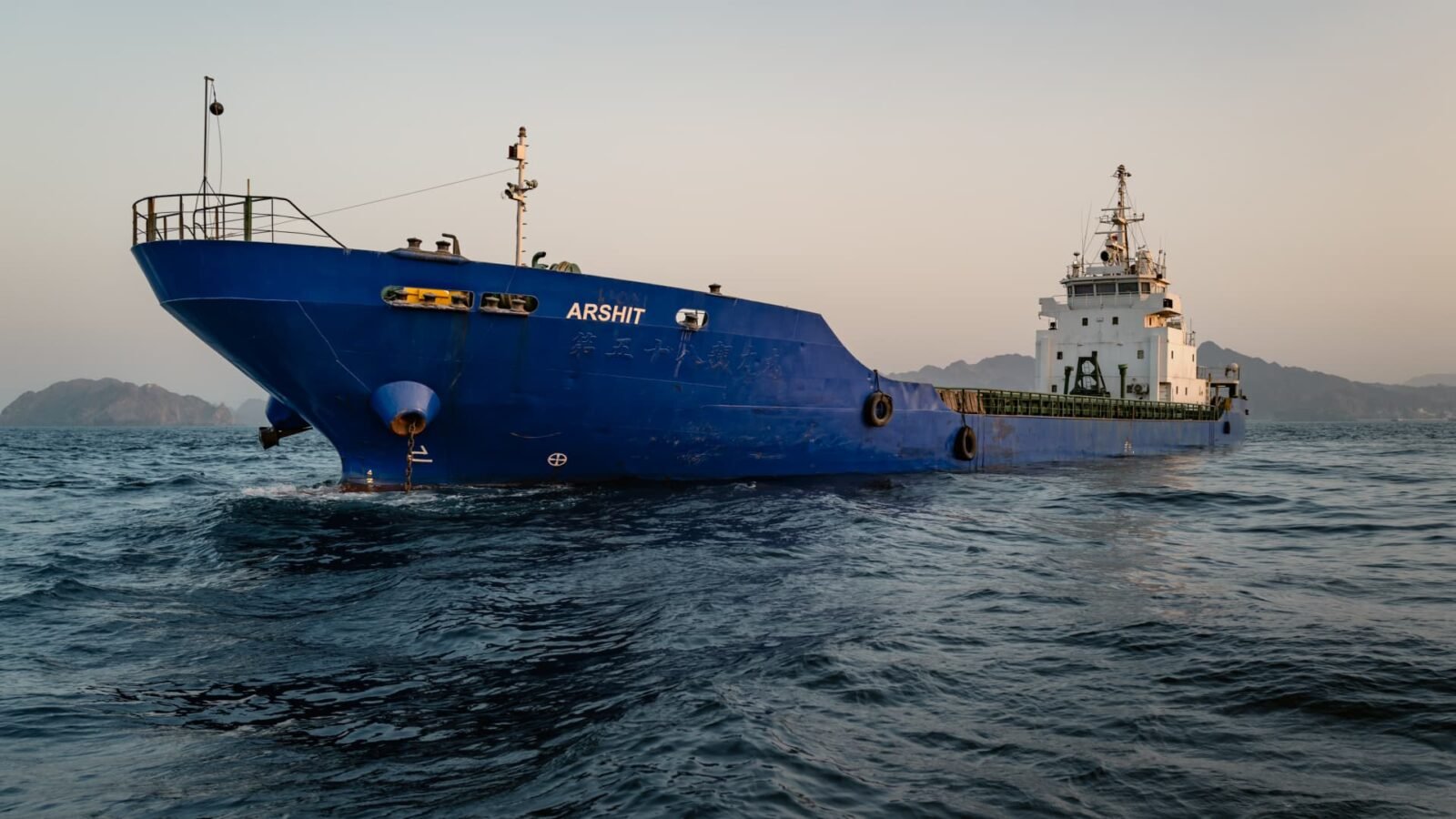
Speaking at the ASEAN Foreign Ministers’ meeting in the Philippines Wednesday, Secretary of State Marco Rubio said Washington remains open to diplomacy but accused Tehran of undermining negotiations over the Strait of Hormuz, a narrow waterway through which a significant portion of global oil supplies passes.
“The problem we’re having right now is that they’re not serious about talks,” Rubio said, according to CNBC. “If they’re serious, we’re serious. If they’re not, then we will do what is necessary to protect our interests and also the interests of our allies.”
Rubio alleged that Iran “demands the right” to control the strategic waterway, warning that acquiescing would set “a very dangerous precedent” for international commerce. Centcom described its recent strikes as aimed at degrading Iran’s ability to threaten commercial shipping in the strait.
Inflation Fears Resurface
The spike in energy prices is reviving concerns about inflation just as markets had begun to anticipate potential Federal Reserve rate cuts. Deutsche Bank strategist Jim Reid noted that Brent crude closed above $90 per barrel for the first time in more than a month Tuesday, raising fears of a broader stagflationary shock.
“With no breakthroughs regarding Iran, the market focus returned to inflation over the last 24 hours,” Reid wrote in a note Wednesday morning, adding that there was “little sign of oil prices easing” despite ongoing diplomatic efforts.
Market pricing for Fed policy has shifted noticeably. Money markets were assigning a 24.1% probability to a rate hike this month as of Wednesday morning, according to the CME’s FedWatch tool, up from just 10% immediately after last week’s softer-than-expected CPI reading. The odds of at least a quarter-point increase in September stood at 69%.
Supply Risks Multiply
Analysts at ING highlighted that supply concerns extend beyond the Middle East. In the Black Sea region, Russia’s CPC terminal has halted oil receipts from Kazakhstan, with loadings suspended following attacks on tankers in the area.
“The longer the suspension drags on, the greater the likelihood that Kazakhstan will be forced to curb upstream production,” ING analysts wrote. The terminal loaded approximately 1.7 million barrels per day in June, making it a significant source of global supply.
The combination of geopolitical tensions, supply disruptions, and shifting monetary policy expectations has created a challenging environment for markets, with energy price movements now taking center stage in investors’ inflation calculations.
Source: www.cnbc.com — https://www.cnbc.com/2026/07/22/oil-prices-iran-war-macro-rubio-brent-wti.html
This article is for informational purposes only and does not constitute financial, investment, tax, or legal advice. Do your own research and consult a licensed professional before making financial decisions.