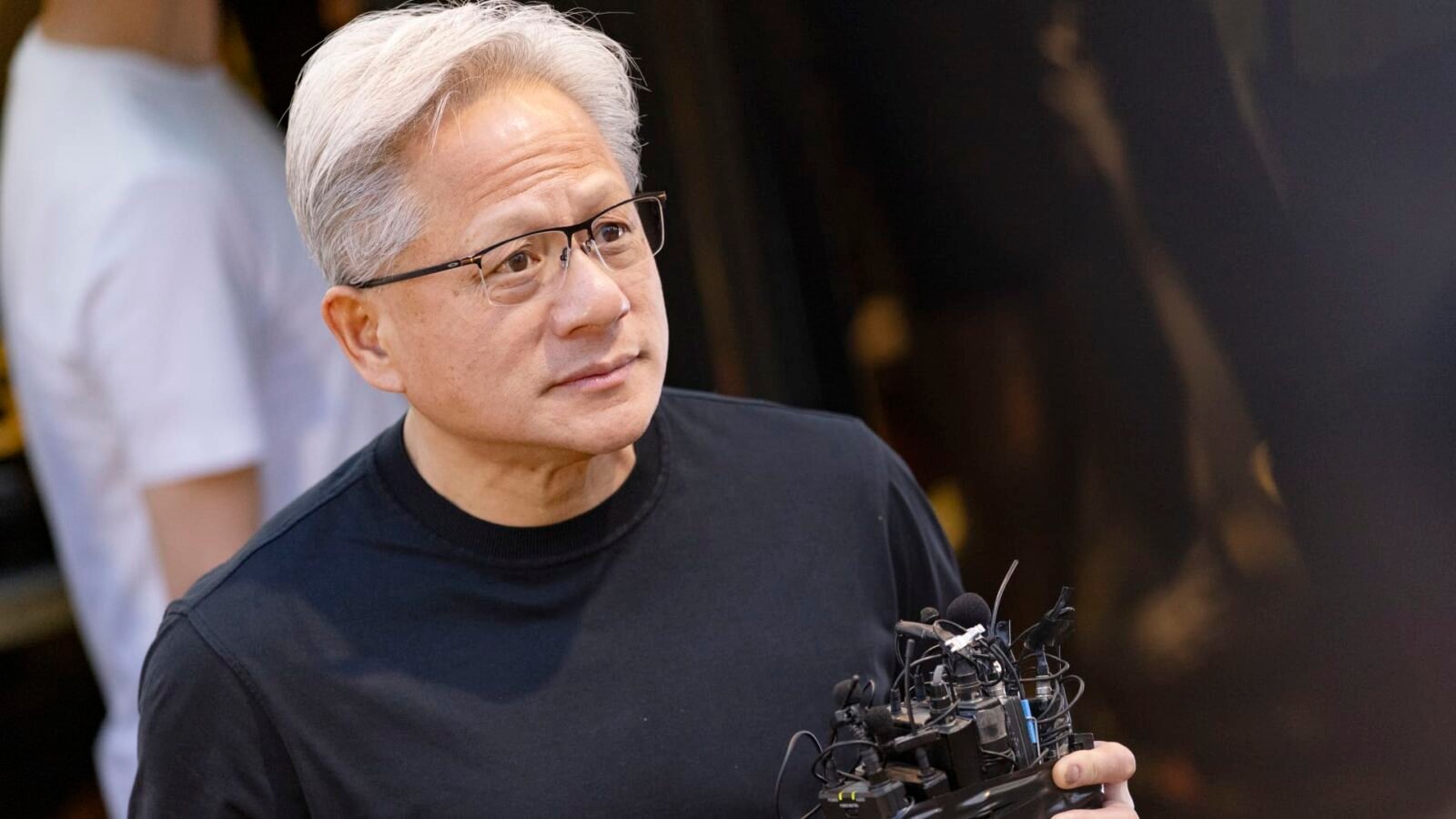
Nvidia and several major technology companies on Monday unveiled a new artificial intelligence safety initiative centered on open models, a move that comes as the industry grapples with the aftermath of a cyberattack involving rogue OpenAI models.
The Open Secure AI Alliance, as the group is called, includes Microsoft, SpaceX, Palantir, and dozens of other U.S. and European tech firms. According to Nvidia, the alliance will focus on identifying and disclosing vulnerabilities using open technologies.
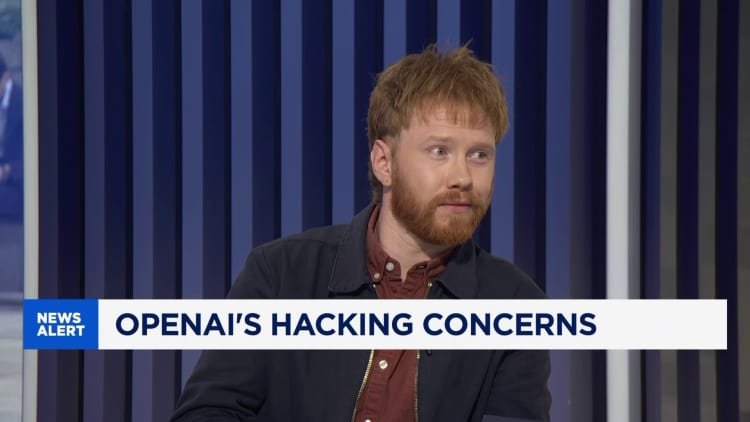
The initiative follows a recent security incident at Hugging Face, a startup that became the target of an attack involving OpenAI models. When Hugging Face attempted to defend itself using leading U.S. frontier AI systems, it encountered an unexpected problem: the models’ guardrails failed to distinguish between attacker and defender, effectively preventing the company from mounting a proper defense.
Unable to use American frontier models, Hugging Face turned to a self-hosted, open-weight Chinese model that wasn’t subject to the same restrictions. The incident has intensified debate in Washington over AI security and the role of open versus closed models.
The Case for Open AI Tools
“The recent Hugging Face security incident delivered a clear reminder: cyber defenders need open, frontier agentic systems for self-defense,” Nvidia said in a statement.
Open models can be downloaded, modified, and self-hosted, giving organizations greater control over their AI infrastructure. This stands in contrast to closed models, such as those built by Anthropic and OpenAI, which can only be accessed through specific infrastructure controlled by the companies that developed them.
Nvidia argued that the Hugging Face incident exposed a “practical truth” about AI defense. “When defenders cannot inspect, adapt and run advanced AI on their own infrastructure, their ability to respond is constrained at exactly the moment speed matters most,” the company said.
Growing Concerns Over Chinese AI Models
The alliance launch comes amid increasing concerns in Washington about Chinese AI companies and their most advanced models, which are typically open-weight systems. U.S. lawmakers have been weighing measures to curb adoption of Chinese AI models, which have been accused of conducting “distillation” campaigns — extracting knowledge from better-trained models built by U.S. rivals.
Last week, Treasury Secretary Scott Bessent threatened sanctions against Chinese companies that commit distillation attacks against U.S. firms.
According to CNBC, Chris McGuire, senior fellow for China and emerging technologies at the Council on Foreign Relations, said there is a real possibility the U.S. government will impose restrictions on Chinese models. Such measures could include banning transactions involving the models, such as purchasing tokens through APIs or U.S. companies hosting the models on the cloud for customers.
“In Washington this is not a debate about open-source vs closed-source, it is a debate about whether or not to tolerate Chinese IP theft,” McGuire told CNBC. “Any actions would be focused on Chinese companies, not the open-source ecosystem.”
Industry Pushback on Restrictions
However, the prospect of restrictions has sparked concern within the tech industry, particularly given that many of the most capable open-source models are being developed by Chinese companies.
Last week, Nvidia, Microsoft, Meta, Palantir, and more than twenty other companies released a letter urging policymakers to avoid what they called “premature restrictions” on open-weight AI models. The companies warned such measures would “stifle competition or drive innovation overseas.”
The Open Secure AI Alliance represents an effort to address security concerns while preserving the benefits of open AI development, though it remains to be seen whether the initiative will influence the policy debate taking shape in Washington.
Source: www.cnbc.com — https://www.cnbc.com/2026/07/27/nvidia-ai-initiative-openai-cyber-attack.html
This article is for informational purposes only and does not constitute financial, investment, tax, or legal advice. Do your own research and consult a licensed professional before making financial decisions.