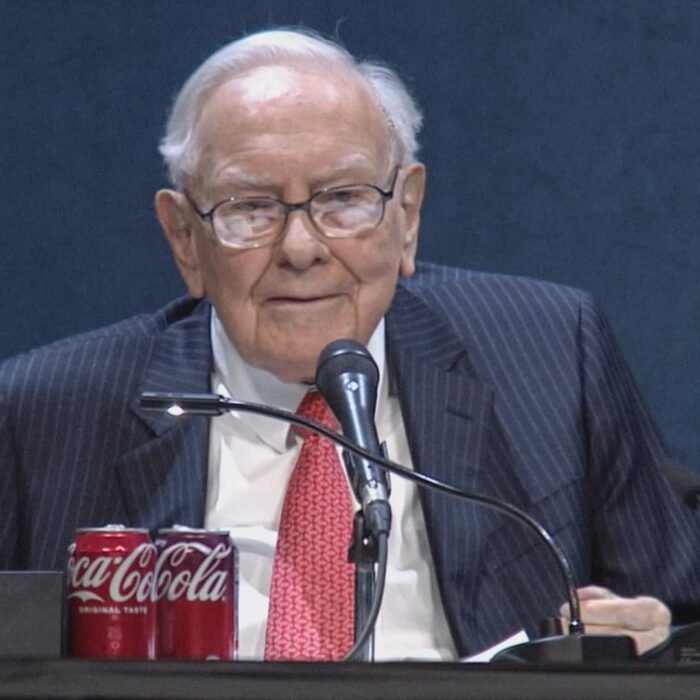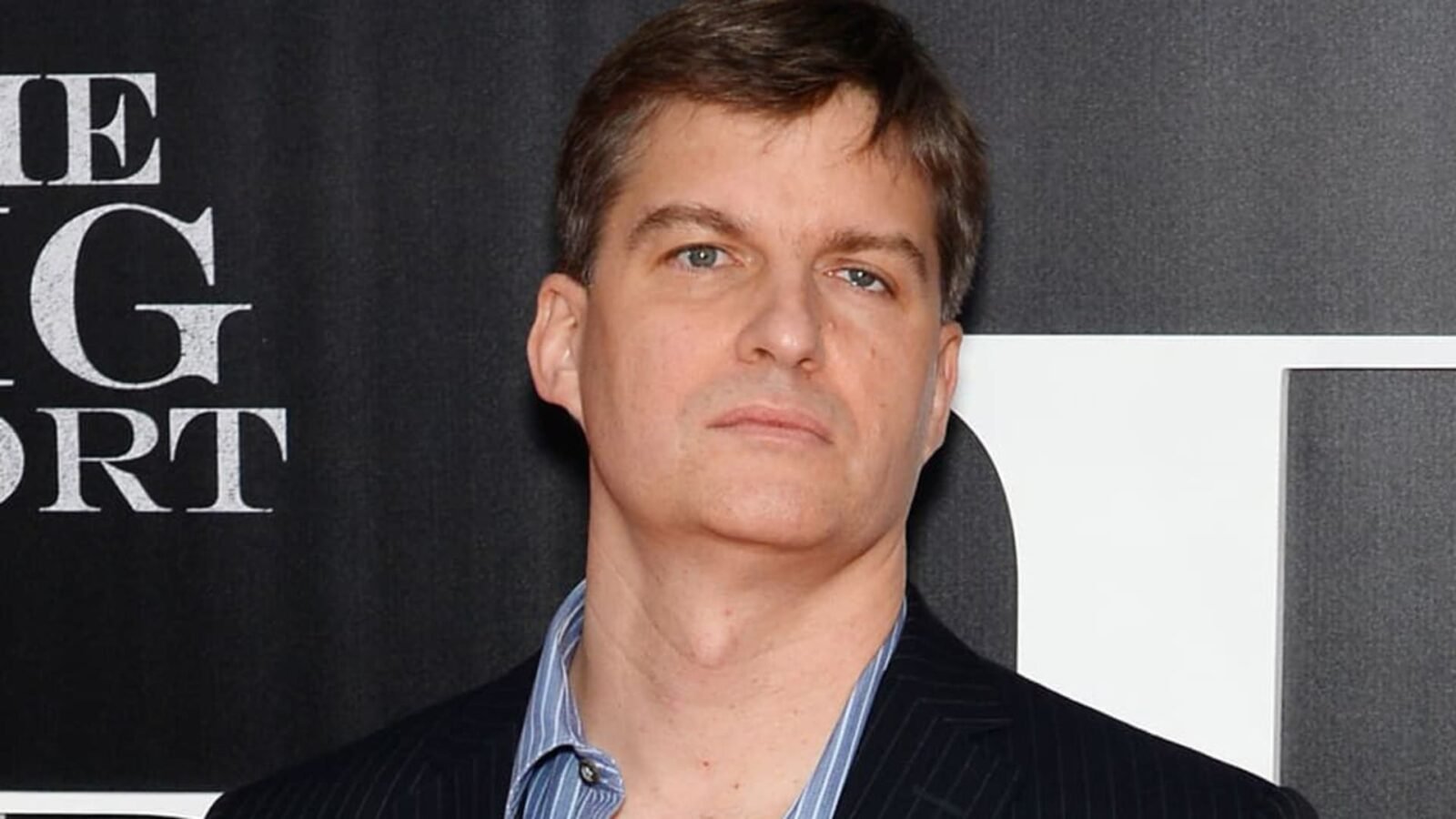
Michael Burry, the investor who famously predicted the 2008 housing crisis, is doubling down on his bearish market stance even as equities reach new heights. In a recent Substack post, Burry warned that the market could be approaching a major top and potentially face a sharp decline similar to the 1987 stock market crash.
According to CNBC, Burry acknowledged that while the S&P 500’s climb to fresh record levels will likely attract additional capital into the market, he maintains his conviction that a significant downturn remains possible. The broad market index surged on Tuesday, closing at a record high for the first time since June, lifted by stronger-than-expected corporate earnings and falling oil prices as optimism grew around the reopening of the Strait of Hormuz to shipping traffic.
Skepticism Around AI-Driven Rally
Burry has emerged as one of Wall Street’s most vocal critics of the artificial intelligence investment boom. His concern centers on the sustainability of the financing arrangements driving demand for AI infrastructure. He has questioned whether the current enthusiasm for AI-related investments rests on a solid foundation or represents another speculative bubble.
The investor noted that the market’s upward momentum is creating a self-reinforcing dynamic. As volatility declines during rallies, volatility-targeting funds are systematically increasing their market exposure, while momentum-based strategies pile on additional leverage. This mechanism, Burry suggested, could amplify both the rally and any eventual reversal.
Active Short Positions Across Tech Sector
Despite the challenging environment for bearish bets, Burry disclosed that he continues to hold short positions against several prominent technology and industrial names. His portfolio of short bets includes the iShares Semiconductor ETF, as well as individual stocks such as Micron, Nvidia, Caterpillar, Palantir, Tesla, and Applied Materials.
Burry indicated that most of these positions remain profitable, with one notable exception: his short position against Nvidia. The graphics processing unit manufacturer has been among the market’s strongest performers, buoyed by intense demand for its AI chips. Still, Burry stated he remains confident in his long-term outlook for these trades, though he emphasized he would exit positions if they moved decisively against him.
A Strategy Not for Everyone
The investor added a note of caution for those considering similar strategies. Short selling—betting that stocks will decline—carries substantial risk, particularly in a rising market where losses can theoretically be unlimited. Burry acknowledged this challenge directly, stating that while he feels compelled to maintain short positions based on his market outlook, such strategies are not appropriate for most investors.
His warnings come at a time when technology stocks have shown remarkable resilience. The Nasdaq Composite climbed sharply in early August, extending gains that brought the tech-heavy index’s two-day advance to nearly five percent. This strength has been concentrated in sectors tied to artificial intelligence and semiconductor manufacturing—the very areas where Burry maintains his most significant bearish bets.
Whether Burry’s caution proves prescient remains to be seen. His track record includes correctly anticipating the subprime mortgage crisis, but timing market tops has historically proven difficult even for seasoned investors. For now, the tension between his bearish positioning and the market’s upward trajectory continues to play out.
Source: www.cnbc.com — https://www.cnbc.com/2026/08/04/michael-burry-bets-against-rally-we-are-near-a-major-top.html
This article is for informational purposes only and does not constitute financial, investment, tax, or legal advice. Do your own research and consult a licensed professional before making financial decisions.