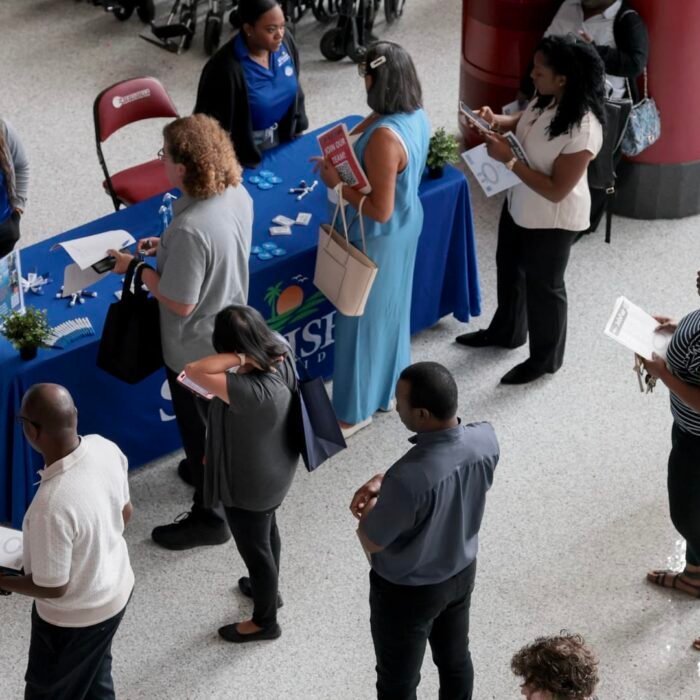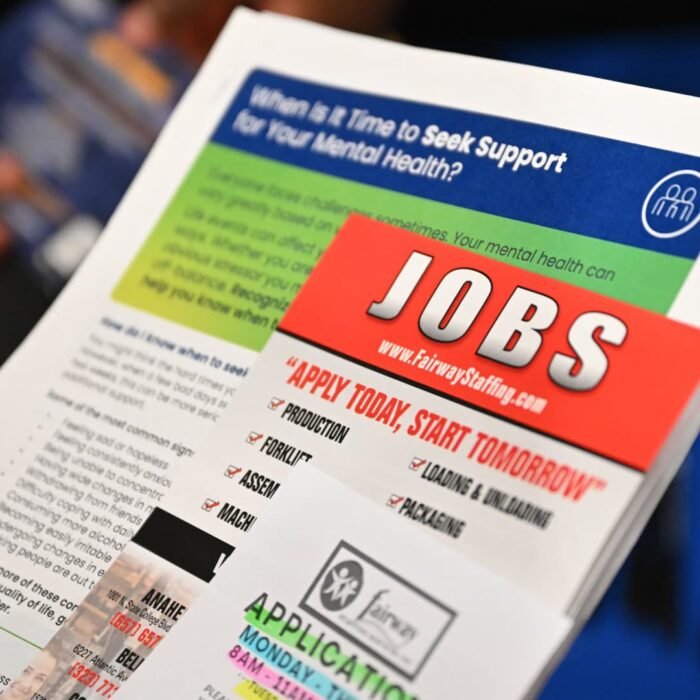
The July employment report delivered a puzzling combination of data points that left economists and investors struggling to interpret the health of the U.S. labor market. Nonfarm payrolls declined unexpectedly during the month, yet the unemployment rate also moved lower, creating a contradictory picture of the economy’s direction.
The conflicting nature of the report has analysts debating what it means for monetary policy and market performance in the months ahead.
A Complex Picture for Investors
Kevin Gordon, head of macro research and strategy at the Schwab Center for Financial Research, captured the confusion succinctly. “This report is like a hall of mirrors, tricking investors with different signals about whether labor’s recovery is stalling,” he said.
The simultaneous decline in both job creation and unemployment represents an unusual pattern that complicates efforts to gauge momentum in the labor market. Typically, falling payrolls would accompany rising unemployment as workers lose jobs, or strong hiring would push unemployment lower as more people find work. The July data defied that conventional relationship.
Federal Reserve Response Remains Uncertain
Despite the softer employment figures, some analysts believe the Federal Reserve will maintain its focus on combating inflation rather than pivoting based on labor market weakness.
According to CNBC, Aditya Bhave, U.S. economist at Bank of America, acknowledged the dovish tilt of the jobs data while maintaining his firm’s forecast for aggressive Fed action. “We agree that the [July] jobs report was a bit dovish on net. But we are sticking with our call that the Fed will hike by 75 [basis points] this year, starting in [September],” Bhave said.
He emphasized that inflation remains the central bank’s primary concern. “The Fed is likely to remain more focused on inflation than labor. The [July] CPI report is a bigger event than today’s jobs numbers,” Bhave added, suggesting that upcoming inflation data will carry more weight in determining the Fed’s policy path.
Long-Term Growth Concerns
While equity markets may find short-term relief in data that could slow the pace of interest rate increases, some strategists warn against overlooking the broader economic implications of weakening employment.
Peter Graf, chief investment officer at Amova Asset Management Americas, cautioned that the report’s dovish signals shouldn’t distract from fundamental concerns about economic growth. “Although the stock market is likely to welcome the dovish implications of the report, investors should be wary of the future growth potential of an economy where fewer people are working,” Graf said.
His comments highlight a tension facing investors: softer labor data might reduce pressure for aggressive rate hikes, potentially supporting asset prices in the near term, but declining employment could foreshadow weaker consumer spending and economic activity ahead.
The July employment report underscores the challenge facing policymakers and market participants as they navigate an economic environment where traditional indicators are sending conflicting messages. With inflation data still looming as the Fed’s primary focus, investors will be watching closely to see whether labor market weakness persists or proves to be a temporary anomaly.
Source: www.cnbc.com — https://www.cnbc.com/2026/08/07/here-are-three-key-takeaways-from-the-disappointing-july-jobs-report.html
This article is for informational purposes only and does not constitute financial, investment, tax, or legal advice. Do your own research and consult a licensed professional before making financial decisions.