Japan’s economy grew at an annualized pace of 1.1% in the second quarter, falling short of the 2% gain economists had expected, according to data released Monday. The figure marks a slowdown from the 2.1% annualized expansion recorded in the previous quarter.
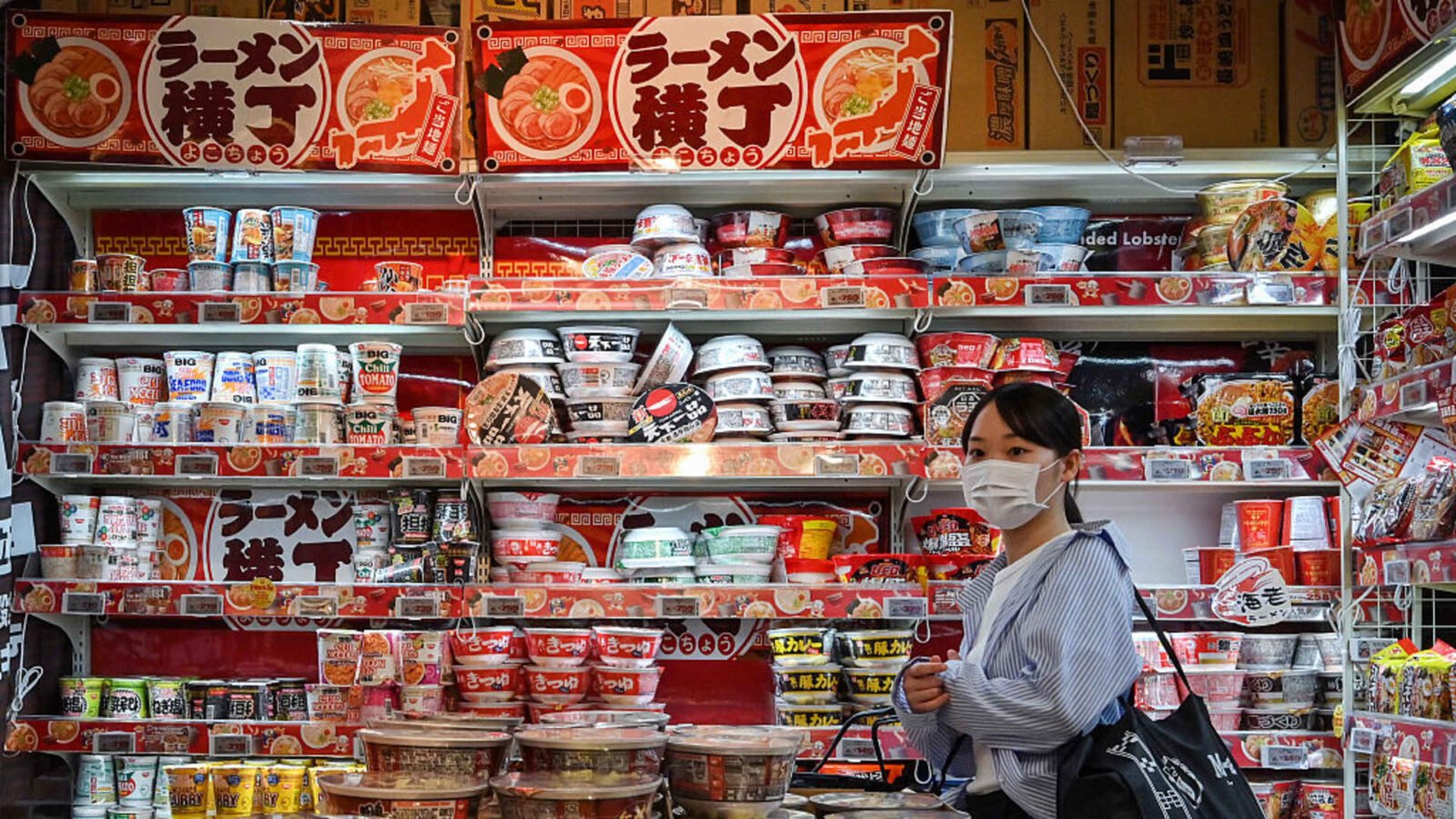
The quarter was the first full period to reflect the impact of the Iran war, which has pushed up energy prices for both businesses and households across the country.
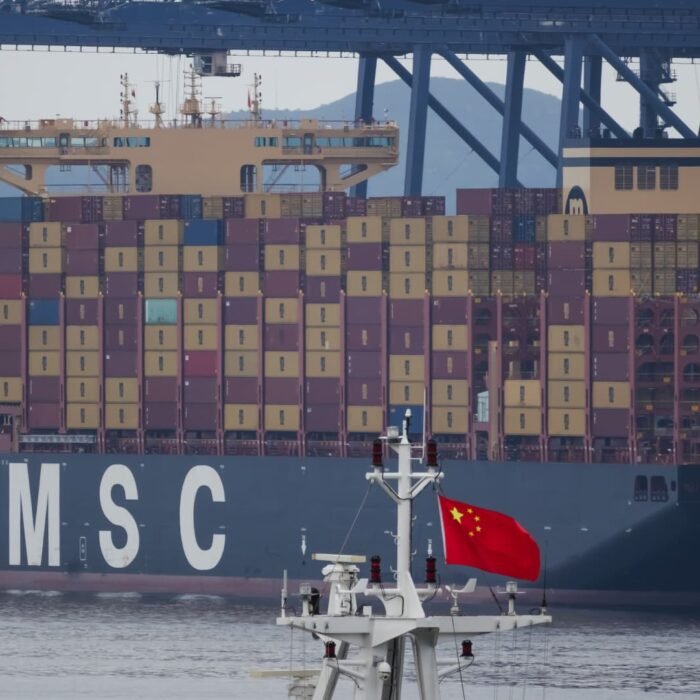
Exports were the main driver of growth, with Japanese shipments beating expectations in each of the three months of the quarter. However, the strength was aided by a weak yen rather than a broad increase in shipment volumes.
BOJ outlook
Earlier this month, the Bank of Japan released its economic activity outlook and nudged its GDP growth forecast for the 2026 fiscal year ending March 2027 up to 0.6% from 0.5%.
“Japan’s economy is expected to continue growing moderately, albeit at a decelerated rate,” the central bank said, citing high crude oil prices stemming from the Middle East conflict.
The BOJ noted that the drag from higher oil prices is likely to be partially offset by government measures aimed at curbing energy costs for households, as well as by rising global demand tied to artificial intelligence. Many Japanese companies sit in the semiconductor supply chain, positioning them to benefit from that trend.
This is breaking news. Please check back for updates.
Source: www.cnbc.com — https://www.cnbc.com/2026/08/17/japan-gdp-misses-estimates-trade-exports-yen-nikkei.html
This article is for informational purposes only and does not constitute financial, investment, tax, or legal advice. Do your own research and consult a licensed professional before making financial decisions.