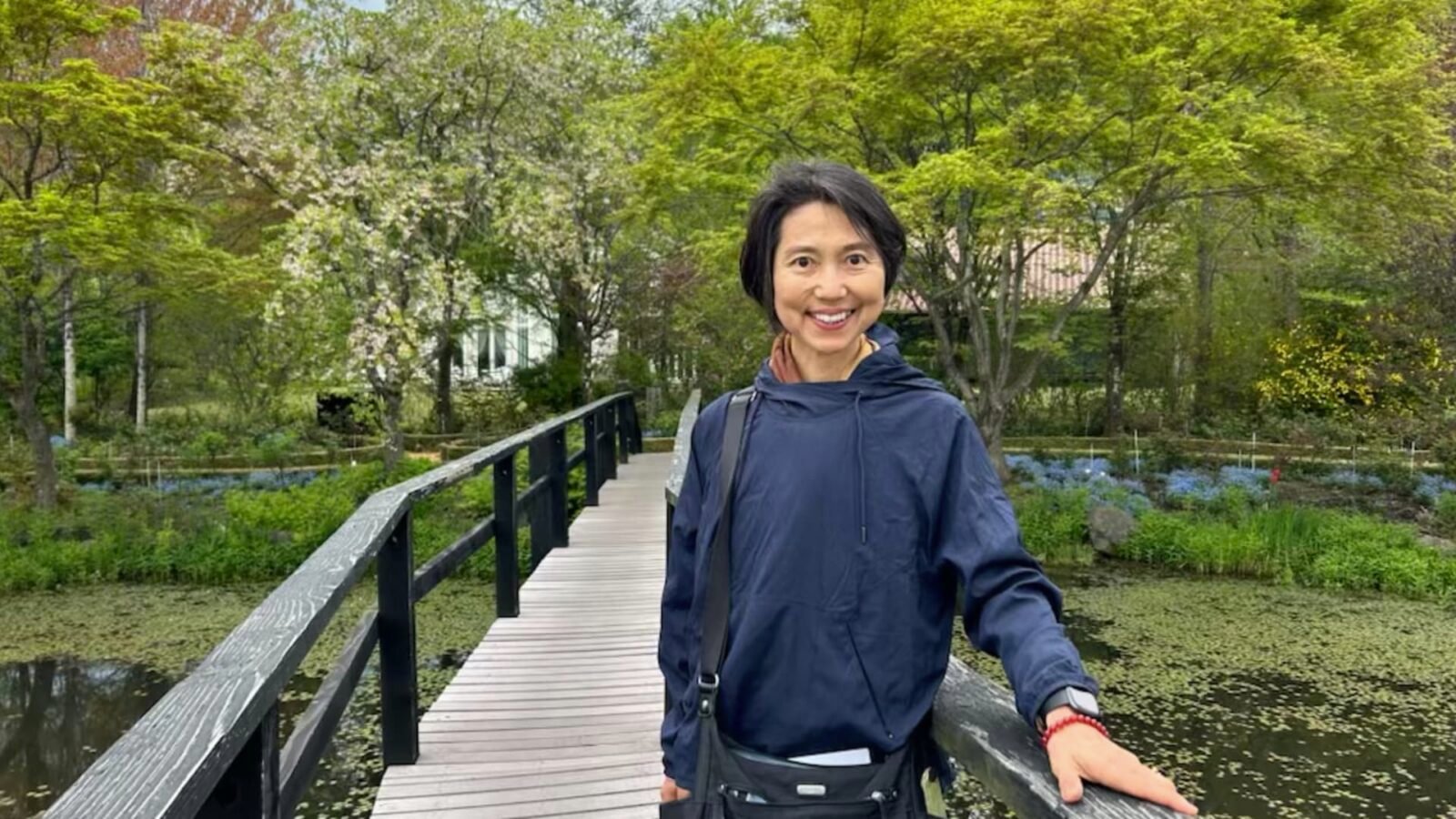
A Japan-based nutritionist is spotlighting seven traditional Japanese ingredients she says are essential for fighting inflammation and supporting overall health.
Michiko Tomioka, a registered dietitian nutritionist and longevity expert from Nara, Japan, says inflammation can influence many aspects of health, including cognitive ability and memory, and may play a role in conditions such as arthritis, ulcerative colitis, heart disease, metabolic disorder, diabetes, and some autoimmune issues and cancers. Her goal is to recommend foods that help clients reduce inflammation, improve immune function, and boost focus and energy.
Speaking with CNBC, Tomioka highlighted foods that are increasingly available at mainstream grocery stores, not just Asian markets. She advises consulting a doctor before making major dietary changes.
Konnyaku
Konnyaku is a jelly made from konjac root, and is also used to make shirataki noodles — so named because their appearance resembles a “white waterfall.” According to Tomioka, konnyaku is calorie-free and rich in glucomannan, a soluble fiber that aids digestion. The traditional preparation adds calcium, giving the jelly its firm, rubbery texture. She recommends adding konnyaku to cooked vegetables, and using shirataki noodles in soups, stir-fries, hot pots, cold noodle dishes, or ramen-style bowls. Because it has almost no flavor of its own, it absorbs the taste of whatever it’s cooked with — an ingredient she often suggests for weight management.
Burdock root (gobo)
Burdock root, known in Japan as gobo, is a root vegetable with a strong nutritional profile. It’s high in inulin, a soluble fiber that supports gut health and digestion. Tomioka likes to chop it and add it to miso soup, nimono (simmered dishes), salads, and fries, noting its rich flavor complements other ingredients.
Seaweed (nori and wakame)
Seaweed appears in many Japanese dishes and is low in calories while rich in minerals, fiber, vitamins, and polyphenols — all of which help fight inflammation. Tomioka’s top choices for home cooking are nori and wakame, which she says are affordable and available at most grocery stores. Favorites include nori-wrapped rice balls, mochi, sushi, and wakame salad.
Fermented foods (miso, natto, nukazuke)
Fermented foods are a staple of Japanese cooking, including miso (soybean paste), natto (fermented soybeans), and nukazuke (vegetables pickled in fermented rice bran). According to Tomioka, natto contains probiotics and prebiotics that support the gut microbiome and digestion, and it’s high in plant-based protein and vitamin K2, which helps strengthen bones. She says her breakfast doesn’t feel complete without natto, miso soup, and pickles, and she also enjoys natto with seaweed, oatmeal, and whole grain bread.
Katsuobushi (bonito flakes)
Katsuobushi is skipjack tuna that has been simmered, smoked, dried, and traditionally fermented until extremely hard, then shaved into flakes. The long process removes most moisture and fat, leaving concentrated protein and deep umami flavor. Tomioka uses bonito flakes with kombu seaweed to make dashi broth, and sprinkles them over tofu or salad, or mixes them into rice balls for a savory boost.
Mushrooms (shiitake, maitake, enokidake, shimeji)
Various mushroom varieties offer distinct flavors, textures, and nutritional benefits, and are generally low in calories. Tomioka notes that 100 grams of raw shiitake mushrooms provides about 34 calories, three grams of fiber, and two and a half grams of protein — all cholesterol free. She keeps dried mushrooms on hand for curries, soups, and dressings, highlighting their umami flavor.
Green tea (and used leaves)
Tomioka has had green tea with meals since childhood. Because it’s usually consumed without milk or sugar, it’s nearly calorie-free, and it contains antioxidants that support immune and metabolic function. After brewing, she prepares salads with the used tea leaves and a vinegar or miso dressing. She also practices the traditional Japanese tea ceremony for matcha as part of her daily ritual, which she says brings her joy and peace.
CNBC Select is editorially independent and may earn a commission from affiliate partners on links.
Source: www.cnbc.com — https://www.cnbc.com/2026/09/05/nutritionist-from-japan-essential-anti-inflammatory-foods-i-swear-by.html
This article is for informational purposes only and does not constitute financial, investment, tax, or legal advice. Do your own research and consult a licensed professional before making financial decisions.