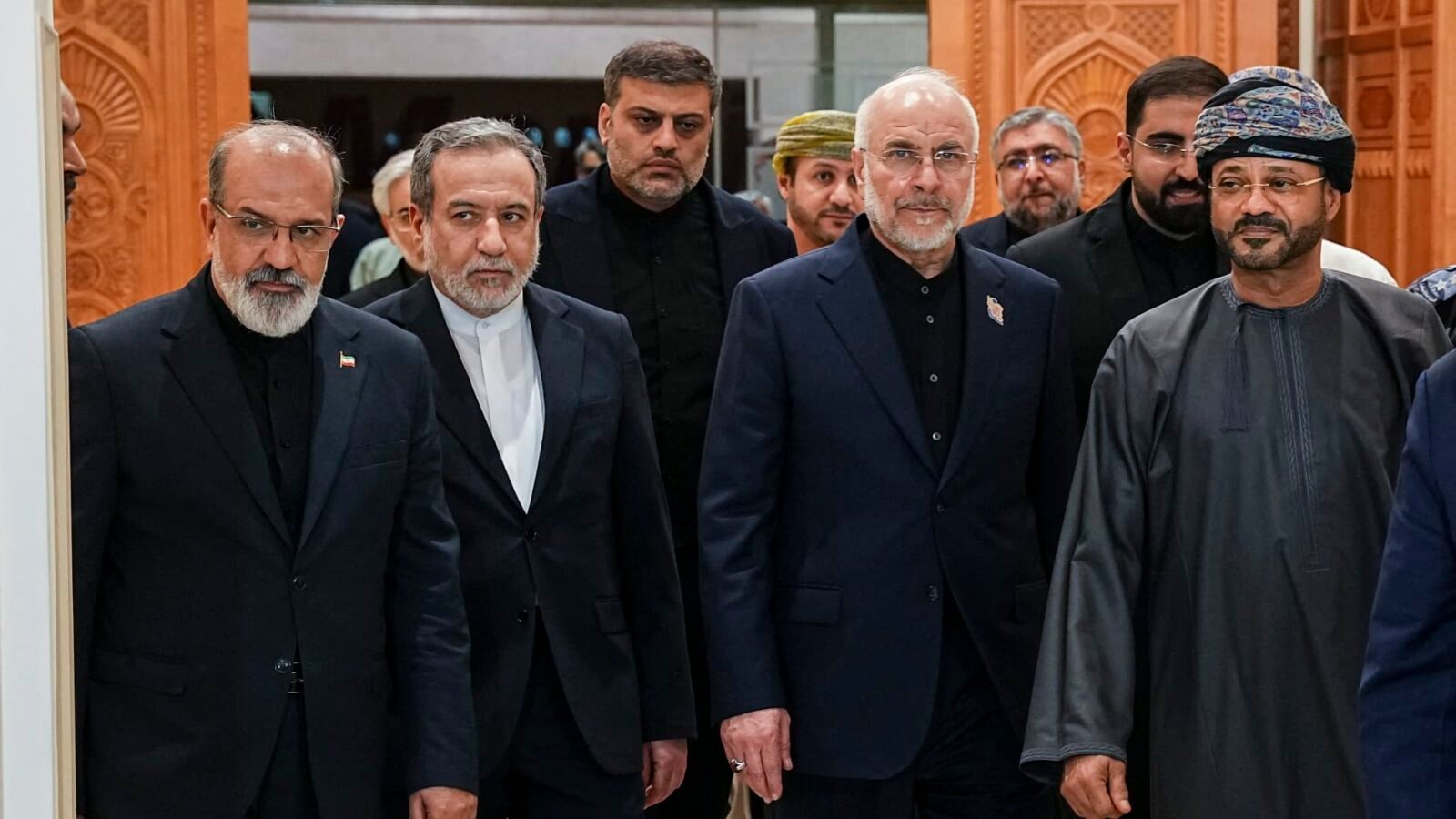
Iran and Oman are moving toward an agreement that would guarantee safe transit through the Strait of Hormuz and lay out a future framework for managing the vital waterway, according to a joint statement released Tuesday.
The two Gulf nations said their foreign ministers discussed a “proposed framework” to create “a joint temporary navigational corridor through the Strait of Hormuz” and to implement a joint project to clear mines from the strait. The statement also noted that technical negotiations would continue with the goal of reaching a permanent navigational corridor and establishing future administration of the strait, including mechanisms for information-sharing, traffic management, and navigational and security services.
Oil prices extended recent losses in response to the news, with international benchmark Brent crude falling below $90 per barrel overnight. Just five commodity vessels transited the Strait of Hormuz on Tuesday, down from a 10-day average of 15, according to preliminary data from Kpler. Before the Iran conflict, roughly a fifth of global crude flows typically passed through the strait.
U.S. signals restraint
The diplomatic push comes as the United States has reportedly begun returning its diplomats to Gulf states, a sign that Washington does not currently expect a military escalation. Russia’s RIA Novosti also reported late Tuesday that the U.S. and Iran would announce a new ceasefire agreement in the coming days, citing Iranian and Pakistani sources, which would include freedom of shipping through Hormuz. That report could not be independently verified, and the White House did not respond to requests for comment.
Meanwhile, Treasury Secretary Scott Bessent on Monday pledged an “economic D-day” against the Iranian regime, threatening to target Tehran’s enablers and trading partners. The Treasury’s effort included a list of 60 individuals, entities, and vessels. But the U.S. has so far held off on imposing significant secondary sanctions on other nations — including Chinese financial firms suspected of facilitating Iran’s oil trade.
“Why would I want to blow up the global financial system? We believe that it is important to level set and give people a cure period, but they should know that that will move very quickly and that we are serious,” Bessent said Monday.
China pushes back
China, which buys around 90% of Iran’s oil, on Tuesday threatened to retaliate if the U.S. expanded economic pressure on nations trading with Tehran. A Chinese foreign ministry spokesperson said Beijing “will take all necessary measures to firmly safeguard its rights and interests.”
The combination of the Iran-Oman framework and Washington’s cautious approach to secondary sanctions has helped ease some of the supply fears that had pushed oil prices higher in recent weeks. But traders remain wary, with the strait’s daily transits still far below normal levels and the details of any final agreement — or ceasefire — still unclear.
Source: www.cnbc.com — https://www.cnbc.com/2026/08/26/us-iran-war-trump-hormuz.html
This article is for informational purposes only and does not constitute financial, investment, tax, or legal advice. Do your own research and consult a licensed professional before making financial decisions.