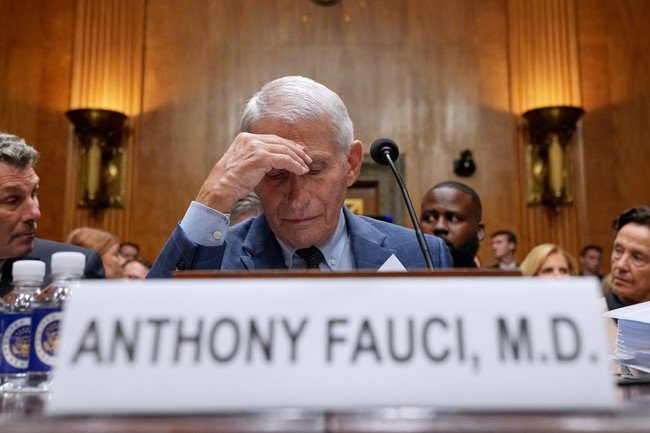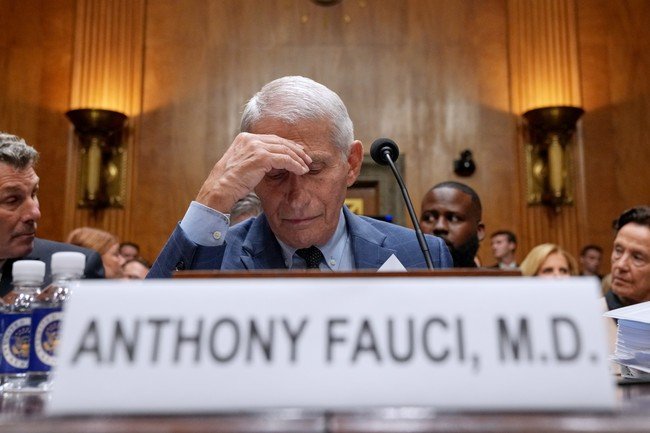
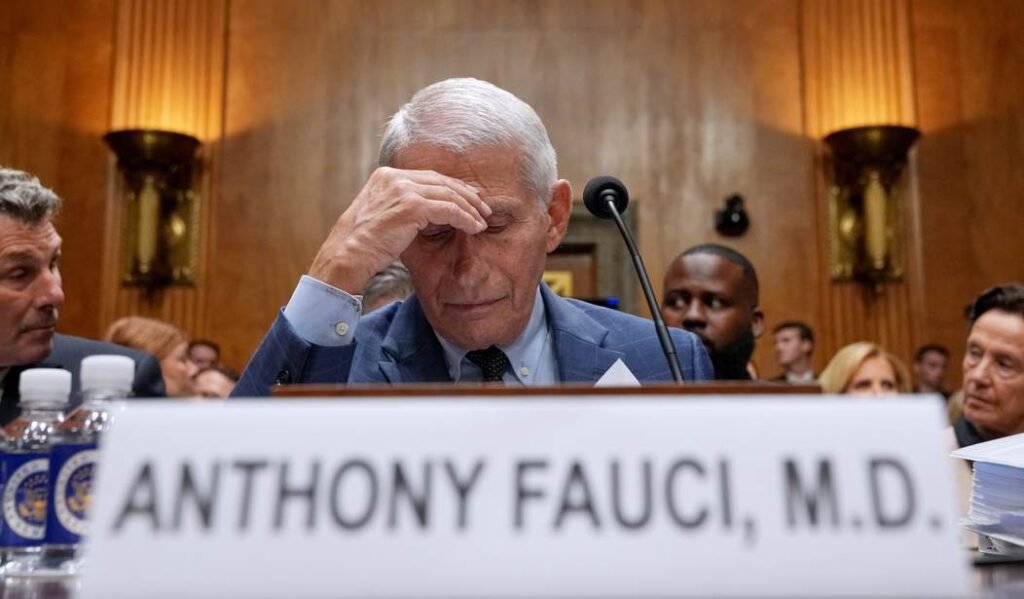
Health and Human Services Secretary Robert F. Kennedy Jr. has addressed mounting confusion over how the government obtained former National Institute of Allergy and Infectious Diseases director Anthony Fauci’s journal entries, explaining that the documents were official government records rather than private writings.
During an appearance on Glenn Beck’s show, Kennedy clarified that the entries were not leaked, stolen, or hacked from any private source. Instead, they were work logs maintained on government servers during Fauci’s tenure as a federal official.
“If you do something on a government server, it belongs to the government,” Kennedy explained. “He was keeping a diary for the book that he intended to write about his life. And at the end of his term, just before he was leaving, he emailed the entire diary to himself.”
According to Kennedy, investigators discovered the journal through those emails. The entries, which congressional Republicans recently declassified, contain Fauci’s personal observations about his official duties, reflections on his public profile during the COVID-19 pandemic, and commentary on policy decisions.
Government Property, Not Private Writings
Kennedy emphasized an important distinction about the nature of the documents. “It’s not a diary in the sense that a teenage girl keeps a diary that’s private and has a lock on it,” he said. “This is a government computer, a government laptop, on government time, keeping this account of what his official duties are and then making private observations about them.”
The clarification comes amid political controversy over the release of the journal entries. Some Democratic lawmakers and media outlets have criticized the declassification as a violation of privacy, while Republicans have defended the release as transparency regarding a public official’s conduct.
Media Response and Political Fallout
Kennedy criticized what he described as selective media outrage over the journal’s release. “The liberal media is now feigning indignation that we released private diaries and violated his privacy, but that’s just a crazy assertion,” he stated during the interview.
He went on to suggest the controversy serves to distract from substantive questions about pandemic-era policies and Fauci’s public statements during his time leading the federal response to COVID-19.
The journal entries have sparked debate about government transparency, with some observers noting that any materials created on federal systems during official duties are typically subject to records retention laws and potential disclosure.
Broader Questions About Federal Records
The controversy highlights longstanding tensions around what constitutes public record when government officials use federal resources. Federal employees generally have limited privacy expectations for materials created on government equipment during work hours.
Fauci served as NIAID director from 1984 until his retirement in December 2022, becoming one of the most prominent federal officials during the COVID-19 pandemic. He has not yet publicly commented on Kennedy’s recent statements regarding the journal entries.
The declassification and Kennedy’s explanation come as the current administration continues to review pandemic-era policies and decision-making processes. Kennedy, a longtime vaccine skeptic who now leads HHS, has made investigating COVID-19 response policies a priority since taking office.
Source: pjmedia.com — https://pjmedia.com/catherinesalgado/2026/08/01/rfk-clarifies-how-government-has-faucis-federal-journal-entries-n4955700
This article is for informational purposes only and does not constitute financial, investment, tax, or legal advice. Do your own research and consult a licensed professional before making financial decisions.