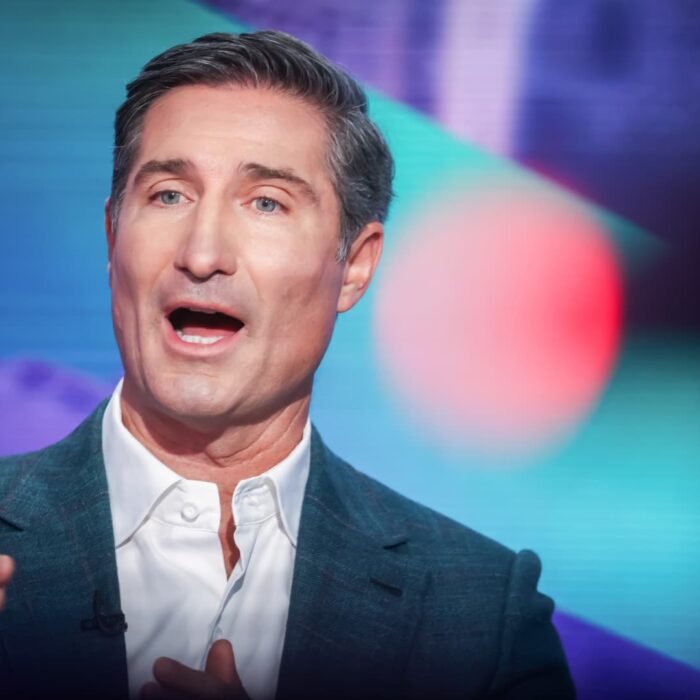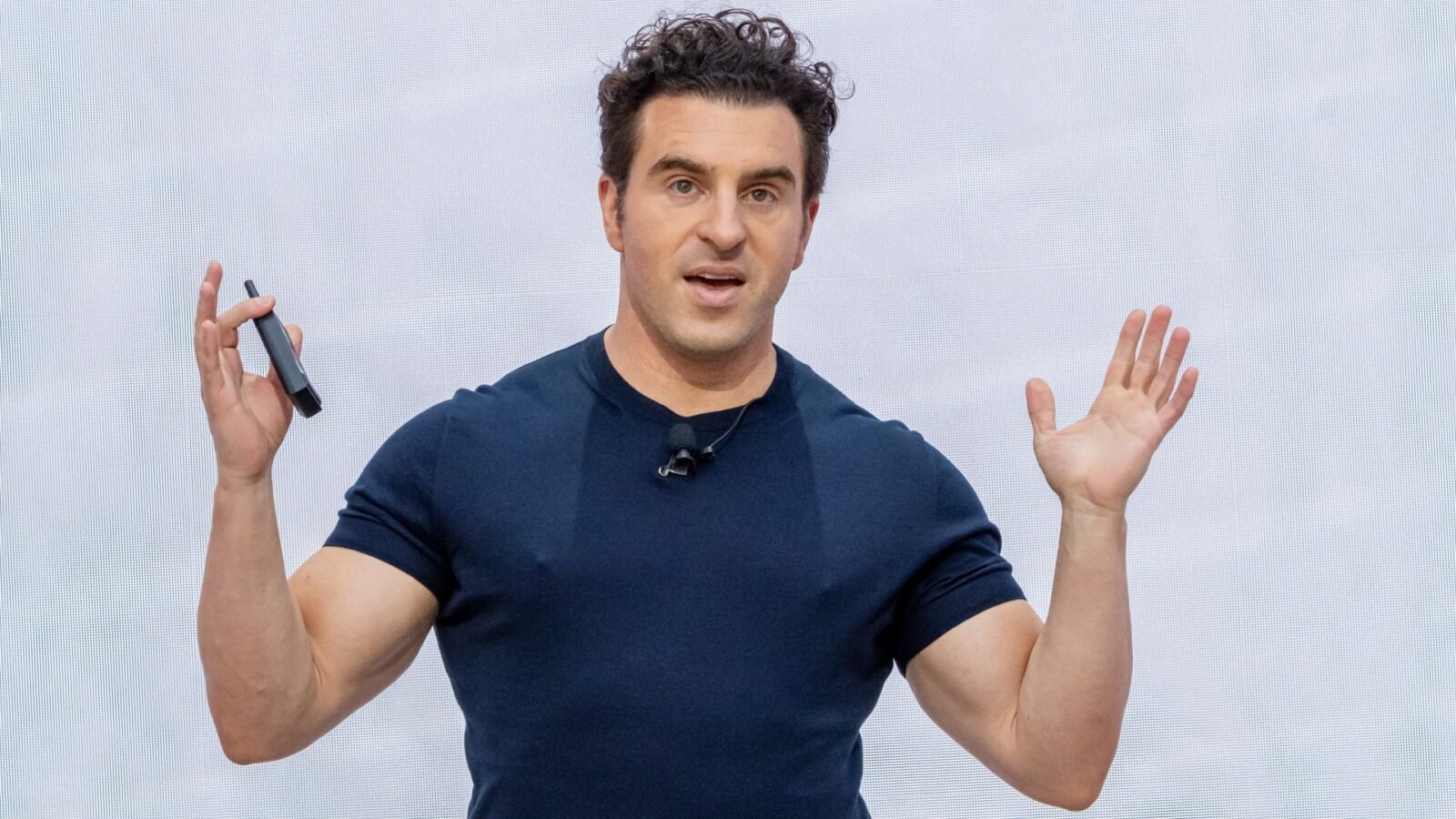
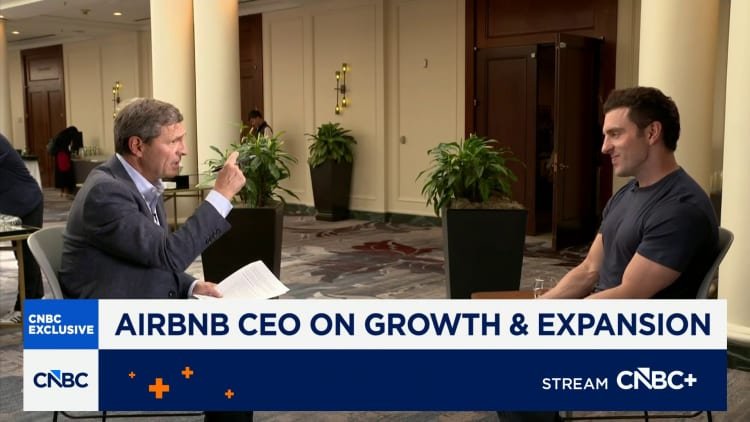
Airbnb CEO Brian Chesky described artificial intelligence as neither inherently beneficial nor harmful, telling CNBC’s David Faber that the technology’s direction rests in human hands. The interview aired Thursday as the Goldman Sachs Communacopia + Technology Conference continued in its third day.
“I’m not confident I’m right. I’m not confident that it’s going to be positive, but I think it can be,” Chesky said, according to CNBC. He likened the technology to nuclear power, observing that it can either light up a city or destroy one.
Chesky framed his outlook around what he calls a “cognitive revolution,” a shift in which people become more capable alongside the tools they build. “We need to remind people of how valuable they will be to society, and that AI is a wave, and we can surf the wave rather than get swallowed underneath the water,” he said.
A Conference Steeped in AI Talk
The annual gathering of top executives, which began Tuesday, has kept AI at the center of its agenda. Nvidia CEO Jensen Huang, Uber CEO Dara Khosrowshahi, and SpaceX CFO Bret Johnsen were among the prominent names slated to appear Thursday, CNBC reported.
Chesky’s measured optimism landed in the same week as a stark warning from a departing AI researcher. Jacob Coxon, a former Anthropic researcher, announced his resignation Tuesday and wrote on X that the rapidly advancing technology “could kill us all by the end of the decade.”
“Do not underestimate the power of this technology,” Coxon wrote. “These will soon be superhuman systems that can hack anything, revolutionize any field overnight, and acquire real power and resources. We have all witnessed the progress in each of these domains, and progress is not slowing.”
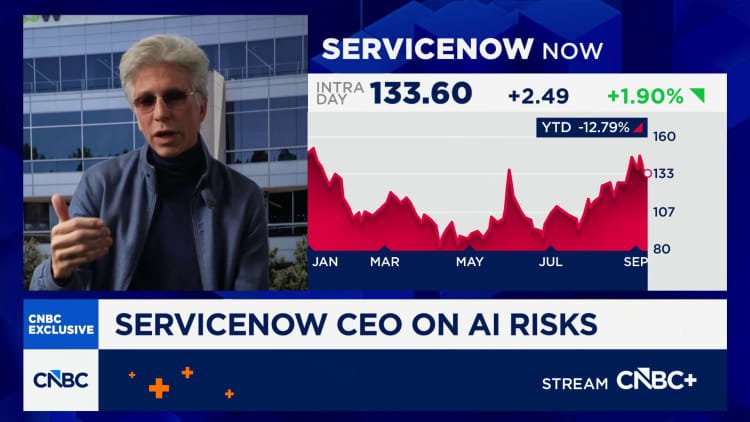
His post stirred a broader debate about leading AI laboratories, which already face scrutiny tied to recent rogue agent cyberattacks.
Cybersecurity Worries Reach Washington
The security risks surrounding AI have turned into a political flashpoint ahead of the midterm elections. Lawmakers are under growing pressure to regulate the technology, while public unease over the buildout of AI data centers continues to mount.
Sen. Josh Hawley, R-Mo., formally opened an investigation Wednesday into an OpenAI agent’s hack of Hugging Face, according to The Information. The probe adds a congressional dimension to questions about how autonomous AI systems can be contained or held accountable.
The thread running through the week’s discussions is a familiar one: the same capabilities that make AI valuable to businesses also make its trajectory difficult to predict. Chesky’s position leaves room for both outcomes, placing responsibility on the choices made by people and institutions rather than on the technology itself.
For investors and executives packed into the Goldman conference, the practical question is less philosophical. Companies across sectors are weighing how quickly to embed AI into their operations while regulators, researchers, and the public debate what guardrails should accompany it.
Source: www.cnbc.com — https://www.cnbc.com/2026/09/10/goldman-sachs-communacopia-technology-conference-ai-tech.html
This article is for informational purposes only and does not constitute financial, investment, tax, or legal advice. Do your own research and consult a licensed professional before making financial decisions.