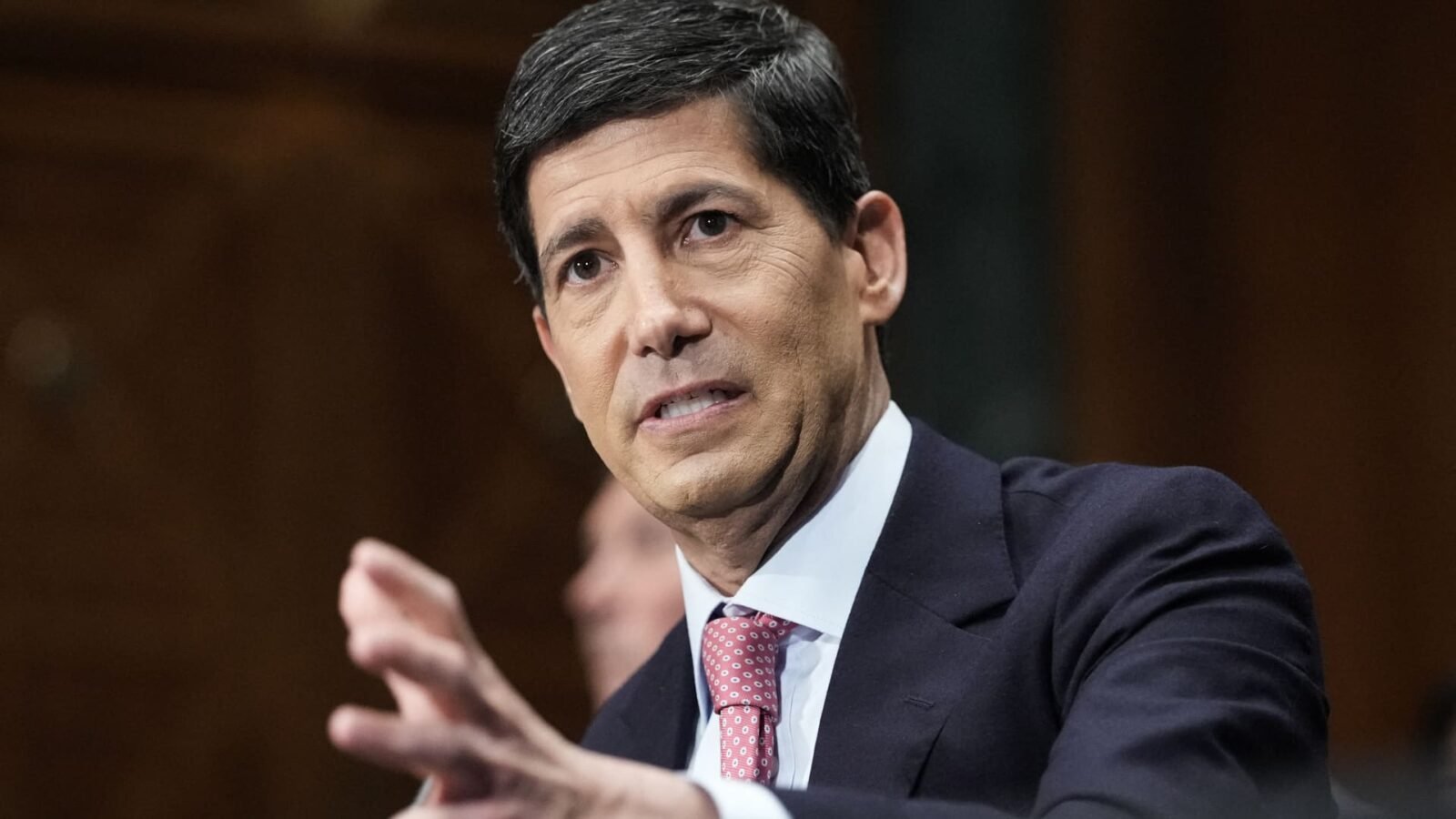
Federal Reserve Chairman Kevin Warsh is unlikely to raise interest rates when the Federal Open Market Committee convenes this week, despite facing a divided committee and market expectations that reflect significant uncertainty about the outcome.
According to CME FedWatch data, investors see nearly a 40% probability of a rate increase at this week’s meeting. Several voting members of the FOMC — perhaps three or four out of twelve — are reportedly prepared to advocate for immediate rate hikes, setting up what could be a contentious committee discussion.
Yet Warsh has multiple reasons to resist calls for tightening, beginning with his own assessment of current economic conditions.
Energy and Tech Price Pressures
Warsh has signaled through recent testimony how he interprets two major cost pressures currently affecting the economy: surging energy prices following the breakdown of the U.S.-Iran ceasefire, and rising costs for semiconductors and electricity as companies expand artificial intelligence infrastructure.
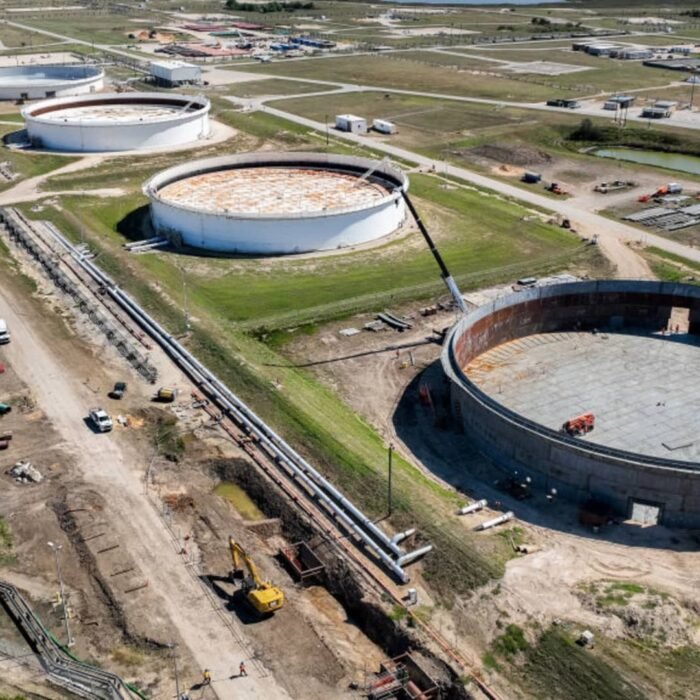
In Senate testimony on July 15, Warsh characterized the spike in gas and diesel prices in dismissive terms, noting that “particular price shocks happen to particular prices that we don’t have control over.” He suggested the Fed has limited ability to expand capacity at U.S. refineries operating at maximum output in the near term.
Notably, consumer price index data for June released just before Warsh’s testimony showed broader price measures actually declining before the recent resumption of hostilities with Iran.
On technology-sector cost pressures, Warsh expressed similar restraint. He told senators he doesn’t “view a one-time change in prices as necessarily being inflationary, because I think there’s a supply response in that way.” This suggests he sees AI-related price increases as temporary adjustments rather than the kind of persistent inflation that warrants higher rates.
Task Force Strategy
Warsh has established several task forces scheduled to report in late 2026 and beyond, designed to address fundamental questions about how the Fed should approach these exact issues. The groups are examining whether artificial intelligence is accelerating growth without stoking inflation and whether the Fed’s overall framework for thinking about price stability needs updating.
Raising rates at what would be only his second FOMC meeting as chairman could undermine these efforts before they produce results. The task forces represent a significant investment of political capital, and Warsh would strengthen his position for achieving longer-term goals by delaying action now.
One of the task forces is also examining procedural questions including how frequently the Fed should hold press conferences — another reason Warsh is unlikely to skip this week’s scheduled media appearance.
Political Complications
The political environment surrounding the Fed adds another layer of complexity. While Warsh has repeatedly emphasized his independence from President Donald Trump on monetary policy decisions, he cannot entirely ignore the administration.
Former Fed Chair Jerome Powell remains on the board and could stay through January 2028, though he may depart sooner depending on outcomes from two ongoing investigations. The Fed’s inspector general is examining cost overruns on the central bank’s renovation project, with a report due this summer. A separate outside inquiry is reviewing the Fed’s handling of banking troubles in 2023.
Trump said Monday that he wants lower interest rates but described the Fed board as a problem, adding that “you need the consent of some people that have perhaps bad intentions” — widely interpreted as a reference to Powell. Treasury Secretary Scott Bessent has described Powell as a “shadow Fed chair” in previous comments.
A rate increase this week could fuel these narratives and complicate Powell’s potential departure. If Powell does resign following the inspector general’s report, Warsh will likely want input on the succession — a decision Trump controls.
Warsh has committed to ending “forward guidance,” the practice of precommitting to specific rate paths, meaning he hasn’t telegraphed his intentions for this meeting. But the combination of his stated views on current inflation pressures, his task force strategy, and the delicate political environment all point toward holding rates steady.
As CNBC notes, Fed outcomes are no longer decided in advance under Warsh’s leadership. While he will eventually need to deliver his first rate hike as chairman, the current circumstances provide strong incentives to wait.
Source: www.cnbc.com — https://www.cnbc.com/2026/07/28/warsh-fed-rate-decision-trump-powell-analysis.html
This article is for informational purposes only and does not constitute financial, investment, tax, or legal advice. Do your own research and consult a licensed professional before making financial decisions.