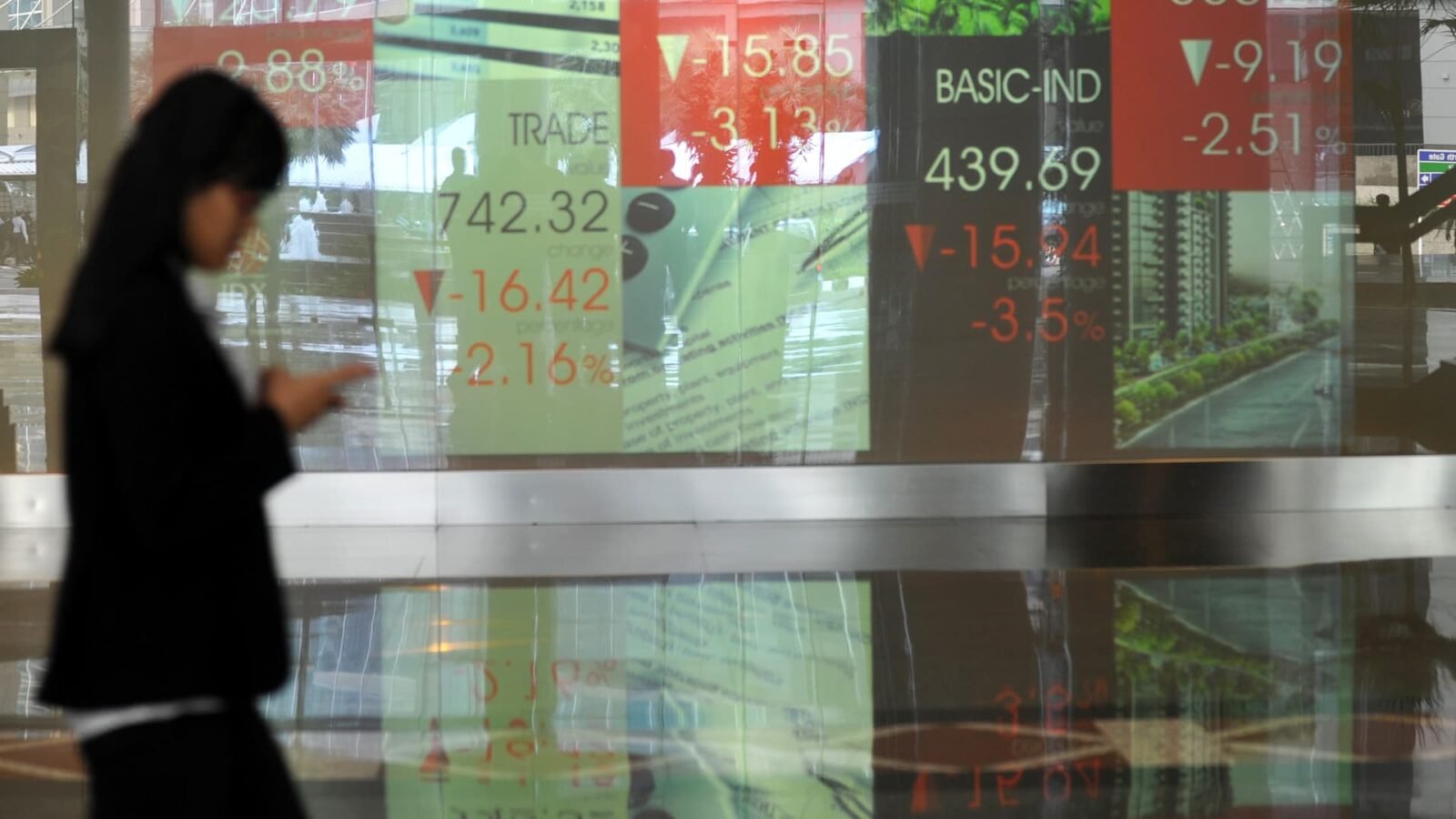
Indonesian equities have staged a dramatic recovery, entering bull market territory after rebounding sharply from a five-year low hit in early June. The turnaround marks a shift in sentiment for a market that had been battered by governance concerns and heavy foreign outflows for much of this year.
The Jakarta Stock Exchange Composite Index has surged more than 10% from its June trough, meeting the technical definition of a bull market, according to LSEG data. The rebound comes even as the index remains down approximately 29% year-to-date, reflecting the severity of the selloff earlier in 2026.
Rating Affirmation Lifts Sentiment
A key catalyst for the recovery came when S&P Global Ratings reaffirmed Indonesia’s BBB sovereign rating with a stable outlook a couple of weeks ago. The move helped remove a major concern hanging over the market, according to Mohit Mirpuri, senior partner at SGMC Capital.
“S&P’s affirmation removed an important macro overhang,” Mirpuri said. “Over the past month, we’ve seen the market transition from pricing in deterioration to pricing in stabilization.”
Governance Fears Ease
Indonesian stocks had been under severe pressure earlier this year after index provider MSCI raised questions about governance practices at many listed companies and warned it might downgrade Indonesia’s market classification to frontier status from emerging. The concerns centered on issues including low free floats and concentrated ownership structures at numerous firms.
MSCI’s ultimate decision to hold off on the downgrade provided significant relief to investors and helped stem panic selling, according to Gareth Leather, senior economist at Capital Economics. That decision, combined with increasingly attractive valuations, began drawing investors back to the market.
“After months of heavy selling, Indonesian equities simply became too cheap to ignore,” said Liza Camelia, head of research at Kiwoom Sekuritas Indonesia.
Regulatory Reforms and Fiscal Stability
Indonesian financial regulators have moved quickly to address the governance issues that spooked investors. New measures requiring higher minimum free floats and stricter ownership disclosure requirements have helped tackle concerns about thin liquidity and transparency, according to Jeemin Bang, associate economist at Moody’s Analytics.
“The Indonesian regulator’s measures to have a higher minimum free float and tighter ownership disclosure requirements also helped to address the market’s thin liquidity and associated transparency and concentration issues that drove some investors out,” Bang said.
Better-than-expected government finances have also boosted confidence. Tax collections recovered strongly during the first half of the year, with government revenue surprising to the upside, Camelia noted. The improvement suggests fiscal risks may be less severe than many investors had feared.
Global Rotation Aids Recovery
The Indonesian market has also benefited from broader shifts in global investment flows. As investors began taking profits from expensive artificial intelligence and technology stocks, they sought safer, more attractively valued markets for redeployment, Leather said. Indonesia’s depressed valuations made it an appealing destination for that capital.
The combination of regulatory intervention, improved fiscal data, the avoided MSCI downgrade, and attractive valuations following the steep decline has helped foreign investors gradually return to Indonesian equities after months of withdrawals.
Source: www.cnbc.com — https://www.cnbc.com/2026/07/28/indonesian-stocks-enter-bull-market.html
This article is for informational purposes only and does not constitute financial, investment, tax, or legal advice. Do your own research and consult a licensed professional before making financial decisions.