A temporary halt to military strikes between the United States and Iran held through Monday, offering a reprieve after two weeks of escalating conflict and sending oil prices sharply lower as investors welcomed the pause.
According to CNBC, the U.S. military suspended strikes on Friday to give diplomats room to pursue peace talks. Iran has reciprocated by refraining from operations against regional targets in recent days, following a China-led diplomatic initiative to restart stalled negotiations in Pakistan.
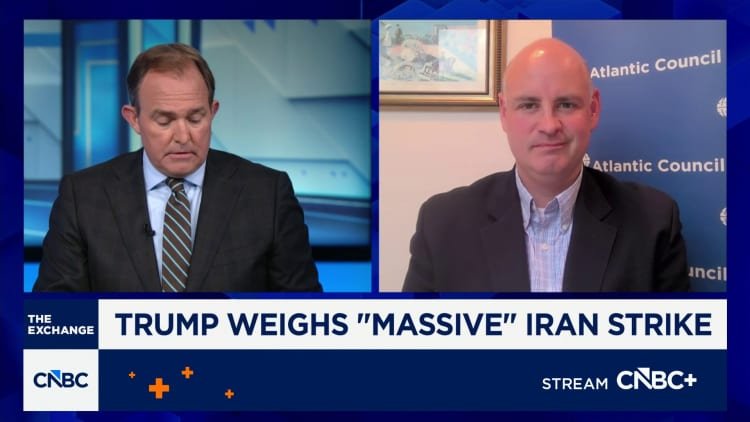
The cessation comes at a critical moment. The White House had reportedly been weighing a massive attack on Iran before opting for the diplomatic path. Oil futures plunged as markets opened Monday, with prices falling around 6% as Wall Street futures pointed to strong gains.
Complications Beyond the Main Conflict
Despite the pause between Washington and Tehran, the weekend brought reminders of how easily the situation could deteriorate. Saudi Arabia conducted strikes on Iran-backed Houthi positions in Yemen after the rebel group attacked Red Sea shipping in recent days.
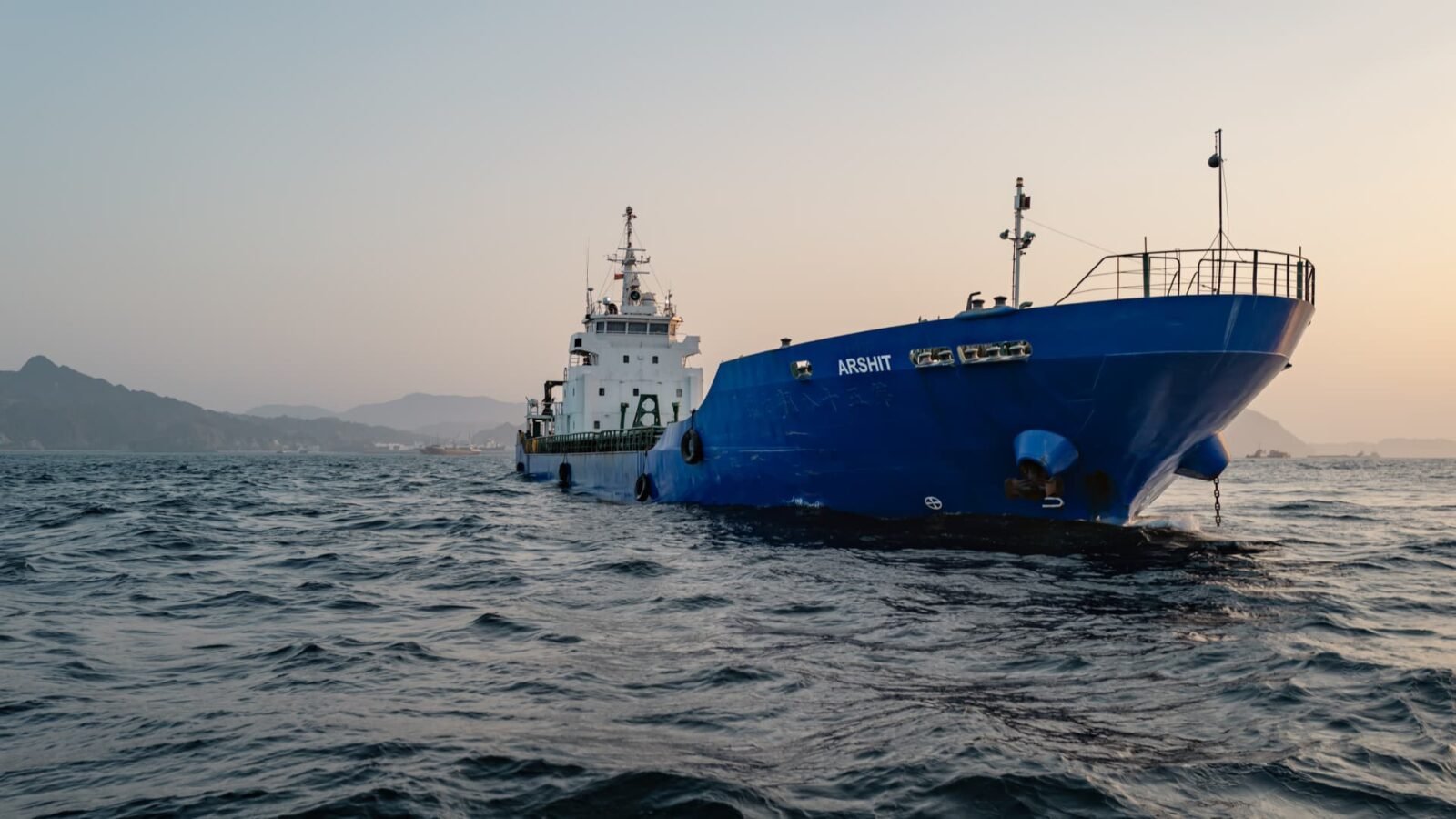
In a separate incident, Ukrainian forces reportedly struck an Iranian commercial vessel in the Caspian Sea, resulting in one sailor killed and another injured. Kyiv defended the action by claiming the ship transported military cargo supporting Russia’s invasion, while Tehran condemned what it called a hostile and criminal act.
These developments underscore the complex web of regional players and proxy conflicts that negotiators must navigate as they pursue a lasting agreement.
The Hormuz Question
While talks have been described as constructive by both sides, significant obstacles remain. Negotiators face contentious issues including Iran’s nuclear program, sanctions relief, and Tehran’s support for proxy groups across the Middle East.
The most pressing economic concern centers on the Strait of Hormuz. Before the conflict, roughly one-fifth of global oil supply flowed through the strategic waterway. It remains closed as the U.S. maintains its blockade, creating severe disruptions to energy markets.
Oman has emerged as a key mediator in efforts to reopen the strait. An Omani delegation traveled to Tehran over the weekend to negotiate provisional arrangements for managing shipping traffic through the passage.
Both Iran and Oman sit on opposite sides of the strait, giving the sultanate a unique geographic and diplomatic position to facilitate discussions on maritime security.
Market Risks Persist
Analysts at Deutsche Bank cautioned investors that normalization of shipping traffic is unlikely in the near term. In a Monday note, the bank highlighted that disruptions now affect both the Strait of Hormuz and the Red Sea, raising the specter of simultaneous blockages to major Gulf export routes.
The bank characterized the pause as welcome but fragile, noting that side conflicts continue even as the principal actors have stepped back from direct confrontation.
For markets, the key question is whether diplomats can secure guarantees of maritime security and restore toll-free, two-way traffic through Hormuz. Without such an agreement, energy markets will remain vulnerable to supply shocks regardless of the broader diplomatic progress.
The coming days will test whether the current pause can evolve into meaningful de-escalation or whether it represents merely a temporary break in hostilities.
Source: www.cnbc.com — https://www.cnbc.com/2026/07/27/us-iran-war-trump-hormuz.html
This article is for informational purposes only and does not constitute financial, investment, tax, or legal advice. Do your own research and consult a licensed professional before making financial decisions.