The FIFA World Cup brought a temporary boost to bars, restaurants and hotels in U.S. host cities, but the soccer tournament failed to spark broader economic momentum, according to the Federal Reserve’s Beige Book released Wednesday.
The report, which summarizes economic conditions across the Fed’s twelve districts eight times per year, painted a mixed picture of the tournament’s economic impact. While some establishments benefited from watch parties and tourist activity, the gains were offset by weakness in consumer spending elsewhere.
Beer Sales Surge, But Hotels Adjust Expectations
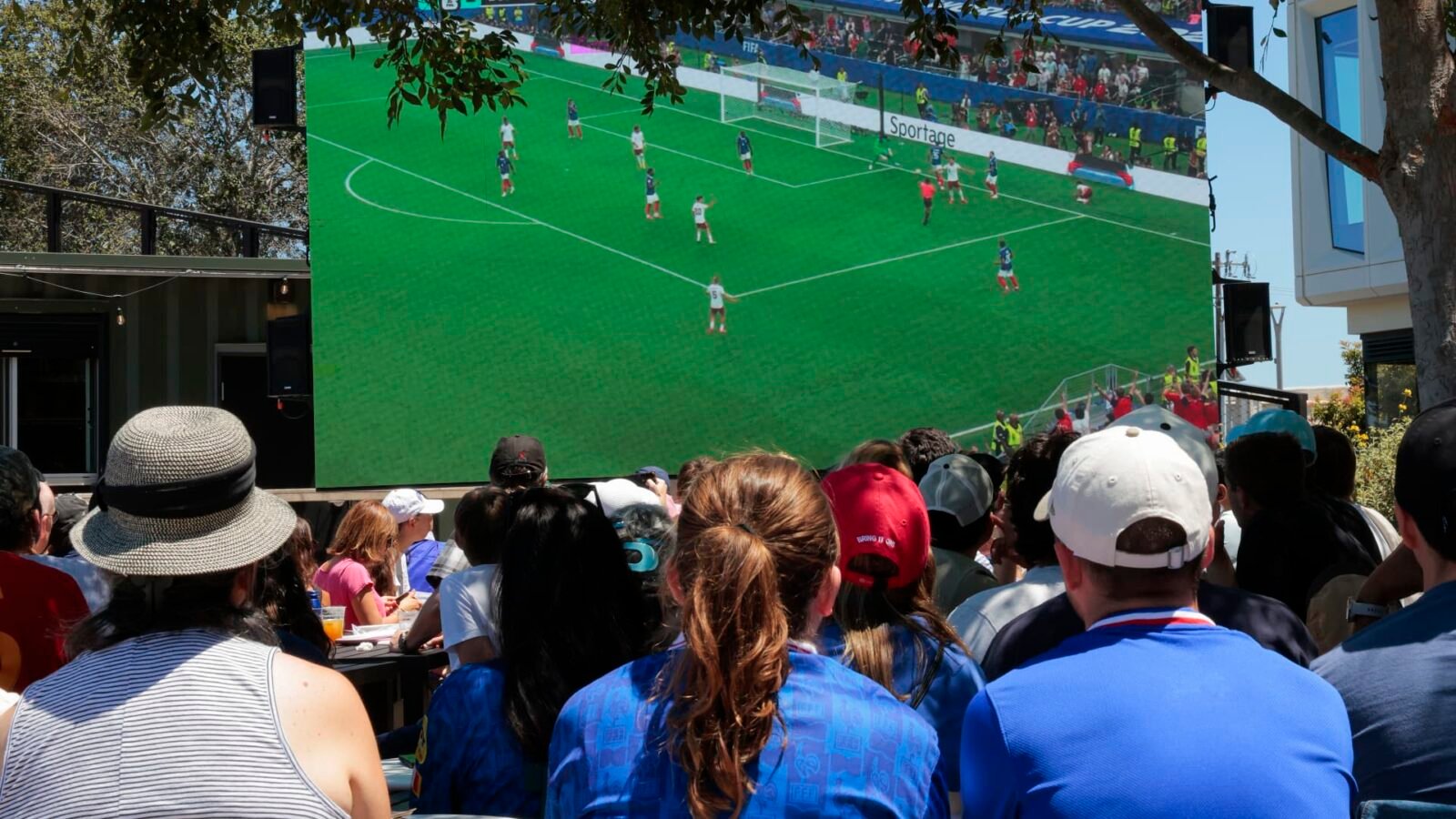
Boston-area bars reported strong beer sales tied to World Cup viewing events, with some establishments running out of beer entirely when Scottish fans arrived in the city, according to the Boston Fed’s report. The surge in alcohol sales provided welcome revenue for bars that have struggled with shifting consumer behavior in recent years.
Hotels in Boston initially saw softer World Cup-related bookings than expected. Occupancy levels eventually met forecasts, but only after properties lowered room rates to attract guests.
Despite the tournament drawing visitors to the region, the Boston Fed noted that Canadian tourism remained well below historical averages. Coastal Maine towns and northern Vermont have been particularly affected by the drop in cross-border visitors.
New York City Sees Divided Results
In New York City, some restaurants and bars reported strong sales from match-viewing events, the New York Fed said. Hotels in the city saw higher occupancy rates and room prices connected to the tournament.
However, other restaurants noted fewer international visitors overall, with Canadian foot traffic specifically down. One department store reported increased foot traffic from tournament visitors but saw no corresponding increase in actual sales.
The decline in Canadian visitors aligns with broader trends reported by the Canadian government, which has documented fewer citizens crossing the U.S. border following President Donald Trump’s tariff policy rollout and sovereignty threats. Canadian consumers have increasingly chosen to spend their money domestically rather than traveling to the United States.
West Coast Markets Show Tourist Concentration
Cities hosting World Cup matches in the San Francisco Fed’s district saw high tourist volumes. Yet in nearby markets without matches, local residents pulled back on spending at restaurants, hotels and entertainment venues.
The San Francisco Fed reported that demand for consumer and business services slowed somewhat overall, suggesting the tournament’s economic benefits were highly localized rather than generating regional spillover effects.
Rising Oil Prices Constrain Consumer Spending
Across all Fed districts, consumer spending growth remained capped as rising oil prices forced households to cut back in other areas. Several regions observed consumers trading down to cheaper alternatives or reducing discretionary spending to preserve savings.
The Beige Book’s findings suggest that while the World Cup provided a short-term lift to specific businesses in host cities, broader economic headwinds prevented the tournament from catalyzing wider growth. Median ticket prices for World Cup matches topped $900, according to TicketData, yet that spending appears to have come at the expense of other purchases rather than representing new economic activity.
Source: www.cnbc.com — https://www.cnbc.com/2026/07/15/world-cup-economy-spending-alcohol-hotels-fed.html
This article is for informational purposes only and does not constitute financial, investment, tax, or legal advice. Do your own research and consult a licensed professional before making financial decisions.