China’s industrial sector continued to post healthy profit growth in June, but at a notably slower pace, according to data released Monday by the National Bureau of Statistics. Industrial profits climbed 15.1% from a year earlier, extending a deceleration trend as easing energy costs began to cool the price gains that had powered much of this year’s earnings recovery.
The June figure represents a second straight month of slowing growth, following May’s 21.1% increase. For the first half of 2026, industrial profits advanced 18.7%, down slightly from the 18.8% pace recorded in the January-May period.
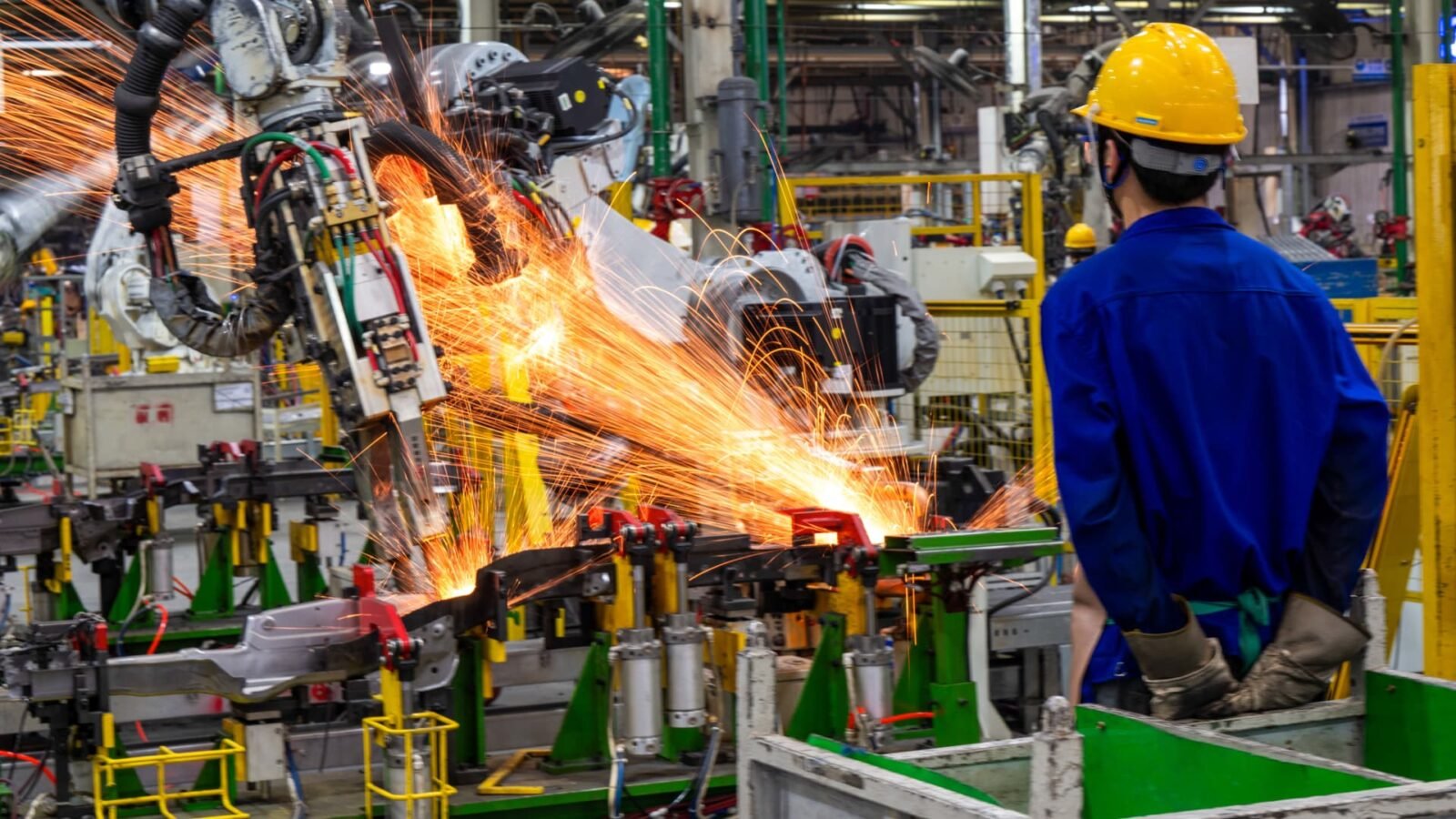
Industrial corporate earnings have staged a sharp turnaround this year, rebounding from barely positive growth in 2025 to sustained double-digit gains. The rebound has been driven by an artificial intelligence-fueled boom in semiconductor and equipment manufacturing, coinciding with the end of nearly three years of factory-gate deflation.
The profit recovery has also benefited from favorable year-over-year comparisons. Earnings fell 3.6% in June of last year and declined 2.8% in the first half of 2025, meaning current growth rates reflect both improving conditions and an easier baseline.
Price Momentum Shows Signs of Faltering
Factory-gate prices rose 3.6% year-over-year in the second quarter, marking the first positive reading since late 2022. However, that reflation boost appears increasingly fragile, economists say, as much of the price recovery was driven by surging global energy costs while domestic demand remains weak.
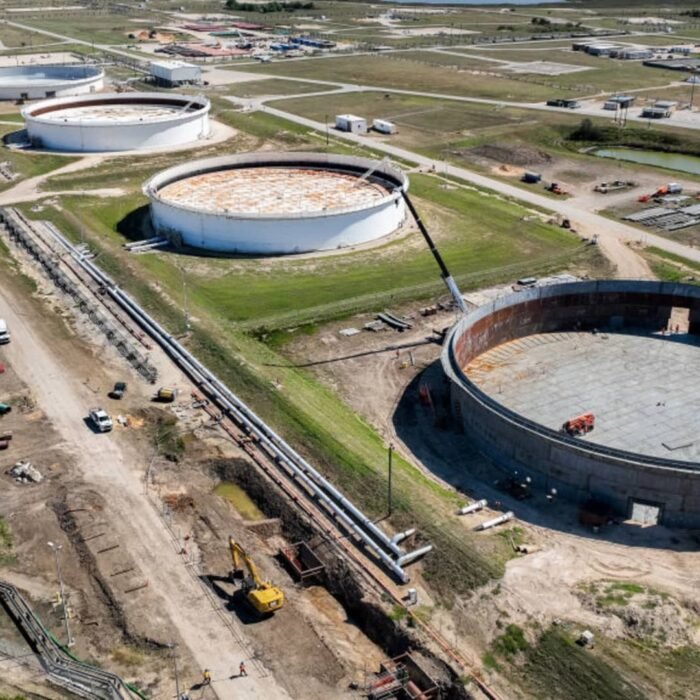
According to LSEG data, producer prices dipped 0.3% month-over-month in June, the first decline since July 2025. The drop came as normalizing tanker flows through the Strait of Hormuz pulled oil, refined-fuel, and petrochemical prices lower.
Eyes Turn to Politburo Meeting
Investors are now focused on the Communist Party’s Politburo meeting, traditionally held in late July, where top leaders will review first-half economic performance and establish policy direction for the remainder of the year.
Economists anticipate stronger easing language following the second-quarter slowdown, though expectations for a large stimulus package remain muted. Beijing has refrained from more forceful intervention given resilient export performance and its continued focus on curbing excess factory capacity.
Robin Xing, chief China economist at Morgan Stanley, said the Politburo is likely to make policy support “mildly more urgent, prioritizing faster fiscal rollout.” He characterized his baseline expectation as “a gradual policy ramp-up rather than a one-off stimulus push.”
Xing noted that growth should remain resilient thanks to exports, even as domestic demand lags. He pointed to the AI-driven investment cycle, in which China serves as a key hardware supplier, and a broader Asian industrial capital expenditure super-cycle that is now unfolding.
The mixed signals in China’s industrial data underscore the challenge facing policymakers: maintaining growth momentum while avoiding excessive stimulus that could reinforce structural imbalances in the economy.
Source: www.cnbc.com — https://www.cnbc.com/2026/07/27/china-industrial-profit-growth-exports-oil-drops.html
This article is for informational purposes only and does not constitute financial, investment, tax, or legal advice. Do your own research and consult a licensed professional before making financial decisions.