Oil prices climbed Thursday following President Donald Trump’s threat to strike Iranian infrastructure if the country attacks ships passing through the Strait of Hormuz, heightening concerns about supply disruptions in a region vital to global crude flows.
Brent crude futures for September delivery rose 2% to $95.99 per barrel, while U.S. West Texas Intermediate crude futures advanced around 1.7% to $88.27 per barrel.
Trump issued the warning Wednesday, declaring that “From this point forward, any time the Islamic Republic of Iran shoots at a ship in the Strait of Hormuz, whether it be by Missile, Rocket, Drone, or any other device or weapon, the United States will bomb and destroy ONE BRIDGE OR POWER PLANT.”
Iran quickly countered with its own threat. An unnamed Iranian military source told state-run Tasnim News Agency that “If the Americans target a bridge or a power plant in Iran, Iran will, in turn, strike infrastructure and bridges in the region, including energy facilities where the United States has interests.”
Diplomatic Efforts Stalled
The escalating rhetoric comes as diplomatic efforts appear to have stalled. Secretary of State Marco Rubio said Wednesday that Iran was not being “serious” about reaching an agreement with Washington, though he maintained the U.S. remained “committed to diplomacy” in the Middle East.
According to HSBC, the recent rally in oil reflects renewed concerns over the Strait of Hormuz following the breakdown of a U.S.-Iran ceasefire. The bank warned that the outlook now depends on whether diplomacy can restore predictable shipping flows through the critical waterway.
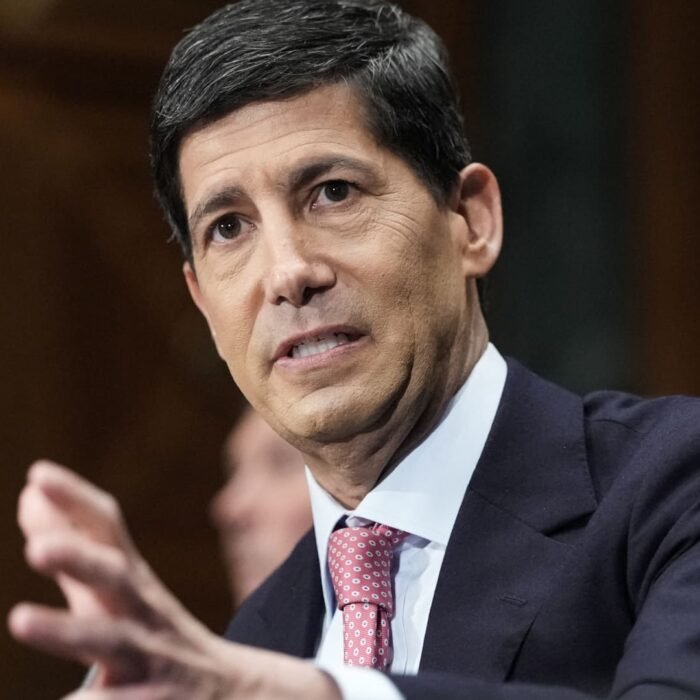
“Since 7-8 July, the ceasefire has frayed as Iranian attacks on vessels transiting the strait of Hormuz prompted U.S. retaliatory strikes,” said Kim Fustier, HSBC’s senior global oil and gas analyst.
Control of Shipping Lanes at Issue
Fustier pointed to a fundamental dispute over control of the strait as the underlying problem. “The core issue remains unresolved: whether passage is administered, and by whom,” she said. “In hindsight, the more traffic was rising through the US-managed Omani lane, the less this outcome suited Iran.”
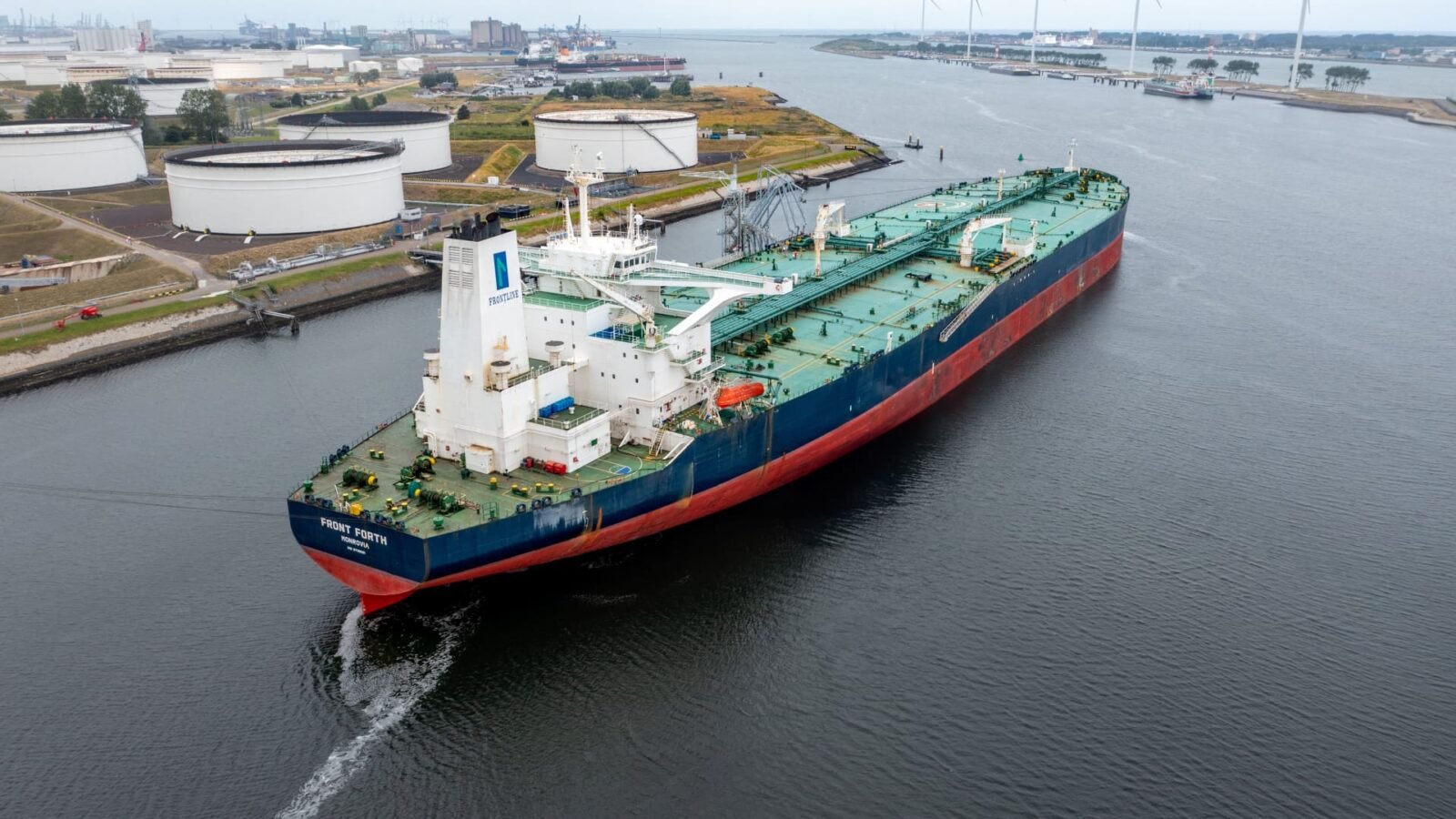
The Strait of Hormuz is one of the world’s most important oil chokepoints, with roughly a fifth of global petroleum supplies passing through the narrow waterway between Iran and Oman. Any prolonged disruption to shipping through the strait would have significant implications for global energy markets.
The competing threats from Washington and Tehran have raised fears that the conflict could escalate further, potentially disrupting crude supplies that have already been affected by recent tensions in the region.
Source: www.cnbc.com — https://www.cnbc.com/2026/07/23/oil-prices-today-wti-brent-trump-iran-hormuz.html
This article is for informational purposes only and does not constitute financial, investment, tax, or legal advice. Do your own research and consult a licensed professional before making financial decisions.