
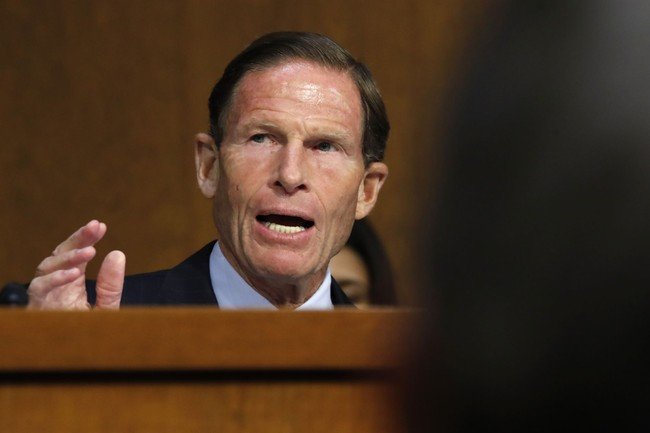
The Senate Homeland Security and Government Accountability Committee voted Thursday to hold Dr. Anthony Fauci in contempt of Congress and refer him to the Justice Department for possible prosecution, following a contentious hearing in which the former director of the National Institute of Allergy and Infectious Diseases repeatedly invoked his Fifth Amendment rights.
The party-line vote came one week after Fauci appeared before the committee and declined to answer questions 111 times, citing his constitutional protection against self-incrimination. The contempt resolution now advances to the full Senate.
Committee Chairman Sen. Rand Paul of Kentucky argued that Fauci’s use of the Fifth Amendment was illegitimate given the sweeping pardon he received from former President Joe Biden, which covered his actions from 2014 through January 2025. Paul contended this pardon eliminated any genuine risk of federal prosecution related to his handling of the COVID-19 pandemic.
“Dr. Fauci faced no risk of federal prosecution,” Paul said during the hearing. “All he had to do was tell the truth.”
Paul framed the contempt vote narrowly, stating it was not about Fauci’s pandemic policies, his opinions, or previous congressional testimony. Instead, he said, the question was “whether a witness who has received the benefit of a sweeping pardon can be ordered by this committee to answer questions and then defy that order without consequence.”
Democrats Defend Fauci’s Constitutional Rights
Democratic members of the committee vigorously defended Fauci’s right to invoke the Fifth Amendment, arguing that repeated Republican calls for his prosecution created a legitimate fear of self-incrimination despite the pardon.
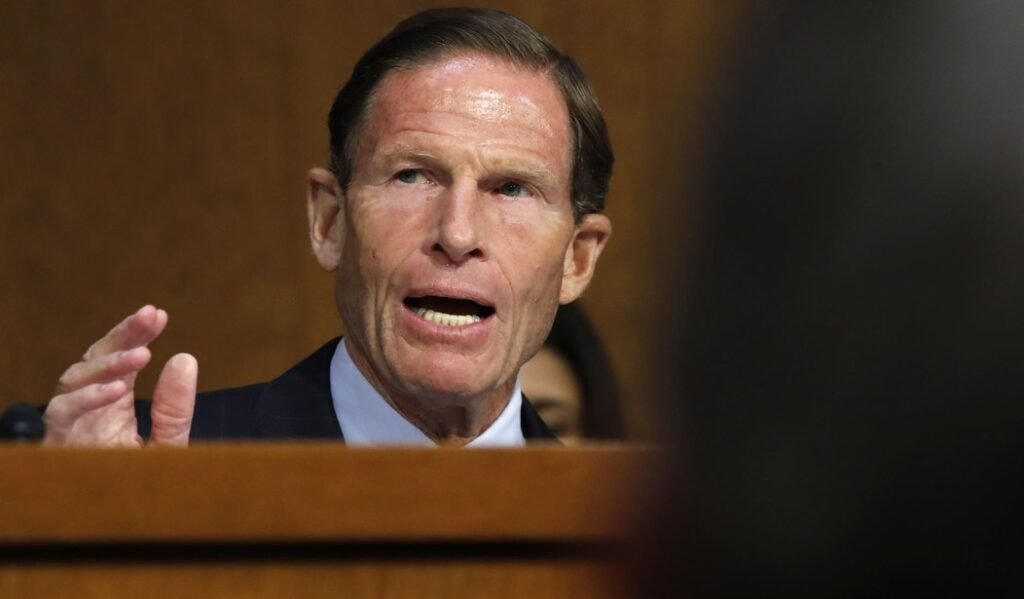
Sen. Richard Blumenthal of Connecticut made this case directly before the contempt vote, stating there was “virtually no chance that a court would actually approve any contempt because he had a well-founded fear of self-incrimination, which entitled him to invoke the Fifth Amendment.”
Fauci’s attorney, David Schertler, issued a statement before the vote characterizing the proceedings as politically motivated. “Today’s partisan committee vote is a crude political stunt intended to punish Dr. Fauci for exercising his constitutional rights,” Schertler said. “Dr. Fauci has committed no crime – and Senator Paul knows it.”
Contentious Exchange Over Legal Jeopardy
Paul seized on Blumenthal’s remarks, highlighting them on social media as an inadvertent concession by Democrats. The Kentucky senator suggested that acknowledging Fauci had a “well-founded fear” of self-incrimination implied Democrats recognized potential legal exposure.
The dispute centers on a fundamental tension: if Fauci’s presidential pardon covers all his actions during the relevant period, what legal jeopardy could justify invoking the Fifth Amendment? Democrats argue that the pardon doesn’t extend to potential state prosecutions or create absolute immunity from all legal consequences, while Republicans contend that Fauci is using constitutional protections to avoid accountability.
The contempt referral marks an escalation in the long-running conflict between Paul and Fauci, which has played out across multiple congressional hearings since the pandemic began. Paul has been one of Fauci’s most persistent critics, particularly regarding the origins of COVID-19 and the federal government’s pandemic response.
Whether the Justice Department will pursue prosecution remains uncertain. The department traditionally exercises prosecutorial discretion in contempt of Congress cases and has historically been reluctant to pursue such charges, particularly when the underlying dispute involves politically charged subject matter and questions of constitutional rights.
Source: pjmedia.com — https://pjmedia.com/matt-margolis/2026/08/06/did-a-dem-senator-accidentally-admit-he-knows-fauci-is-breaking-the-law-n4955871
This article is for informational purposes only and does not constitute financial, investment, tax, or legal advice. Do your own research and consult a licensed professional before making financial decisions.

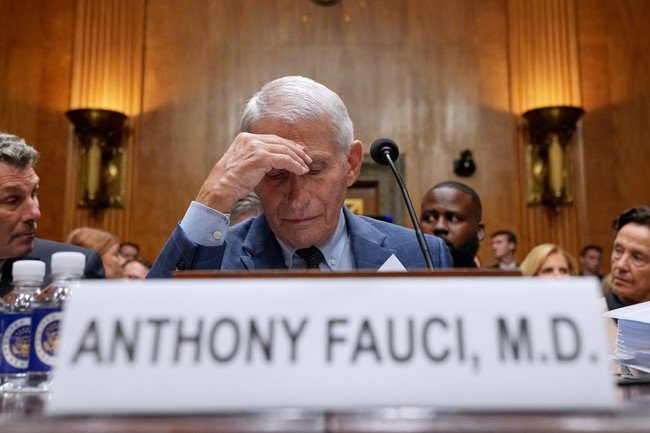
Fauci did nothing wrong. I challenge everyone who reads this to go back and read Fauci and Trump during Covid. Fauci is a Dr. Trump is not. Yet Trump stood before you and said, “I heard you can inject bleach.” TRump also said he heard about getting light inside your body. He also brought up Hydrochloroquine as a med to take. It was not for Covid. The problem is Trump didn’t like Fauci giving advice to the people. TRump can’t stand people that have knowledge. TRump said Covid will just go away. Fauci suggested people shouldn’t travel. Trump wanted the country open. Fauci had to talk to the press after Trump said things that weren’t right. Trump has got people doing his bidding going after people he doesn’t like. I am a retired RN. I watched Trump make his comments especially about bleach and it was alarming. When press conferences were held and Trump made comments Fauci had to go back and have a redo regarding what Trump said. This is who Trump is. He has others he doesn’t like and they will be next. Rand Paul the DOJ and others will do his bidding. Covid was something new and it wasn’t good. Would you rather take the advice of Trump and inject bleach or listen to someone who spent his life as an infectious disease Dr. Dr. Birx was there watching Trump mention the bleach. I can only imagine what she was thinking.