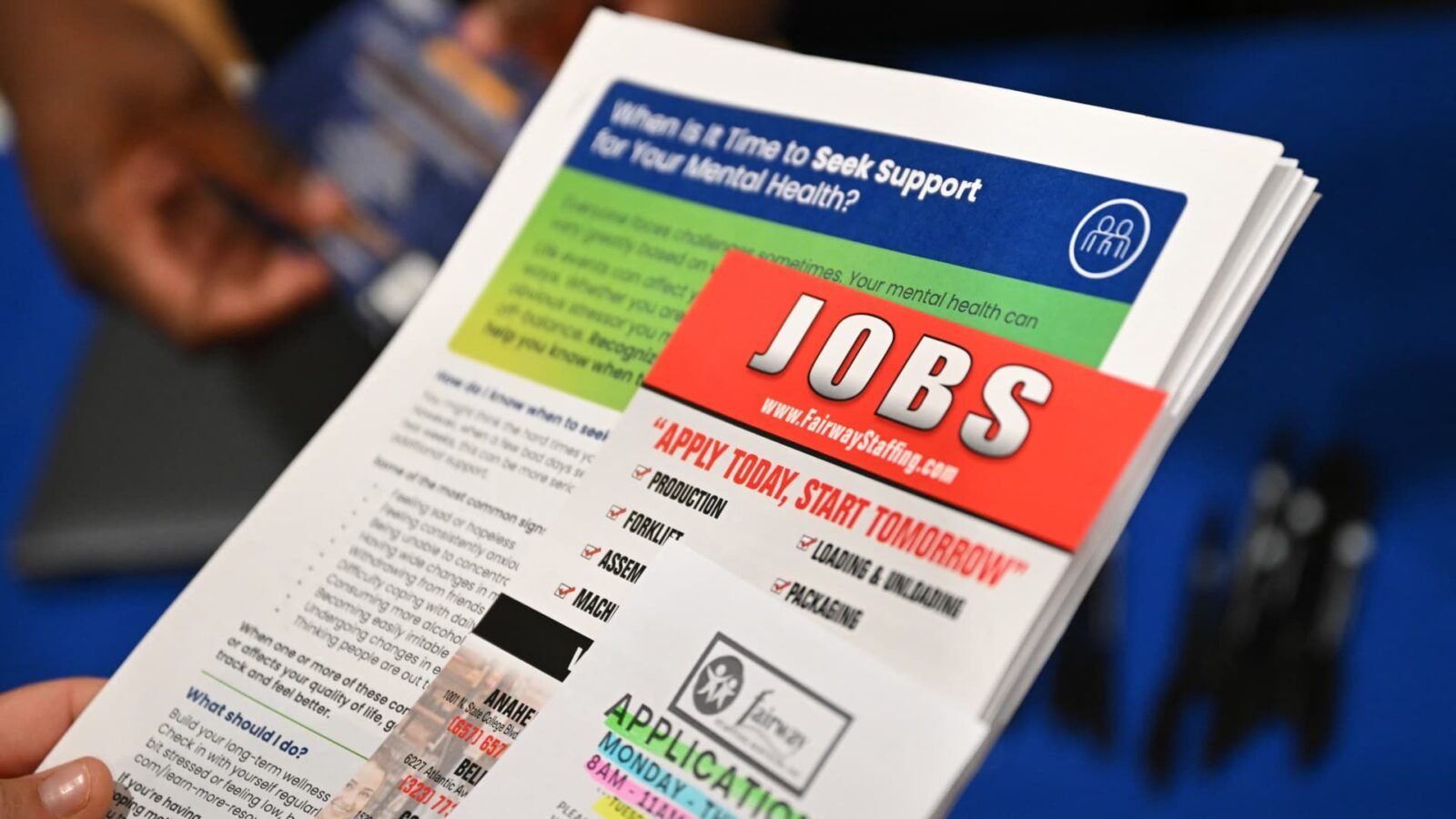
Private sector job growth slowed sharply in July, as companies added just 44,000 workers during the month, according to data released Wednesday by payroll processor ADP. The figure fell short of the Dow Jones consensus forecast of 75,000 and marked a significant decline from June’s downwardly revised total of 95,000.
The July result represents the smallest monthly gain since January, capping a year in which the labor market has shown modest stabilization following sluggish performance throughout 2025.
Services Sector Carries the Load
The services sector accounted for all net job growth during the month, adding 47,000 positions while goods-producing companies shed 3,000 workers. Within services, education and health services led the way with 36,000 new jobs, continuing the industry’s established pattern as a consistent driver of employment gains.
Financial activities contributed 10,000 positions, professional and business services added 9,000, and the catch-all other services category grew by 6,000. On the negative side, trade, transportation and utilities lost 8,000 jobs, while natural resources and mining declined by 6,000. Manufacturing managed to add just 2,000 positions, and construction contributed 1,000.
Wage Growth Remains Elevated for Job Switchers
Pay increases held steady at 4.4% on an annual basis for workers who remained in their current positions. However, employees who changed jobs saw wages jump 7%, the largest increase for job switchers since August 2025.
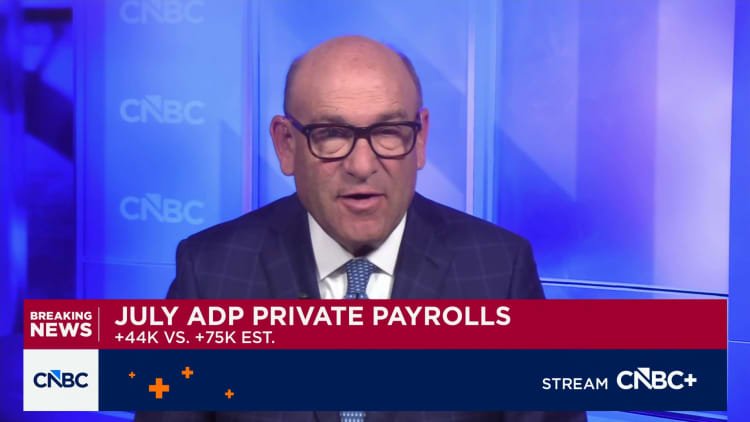
According to ADP Chief Economist Nela Richardson, the divergence signals underlying tensions in the labor market. “Job-changers are highly sensitive to real-time economic conditions, and their rapid pay growth implies supply constraints in parts of the labor market,” Richardson said. “Typical hiring patterns, meanwhile, are changing as employers react to shifting macroeconomic conditions.”
Company Size Breakdown
Job growth was relatively balanced across company sizes, with smaller firms employing fewer than 50 people leading the way at 23,000 new positions.
Federal Reserve Focus Shifts to Inflation
The weak hiring figures come as most Federal Reserve officials have expressed confidence in the overall jobs picture while pivoting their attention to persistent inflation concerns. The central bank has maintained its benchmark interest rate at current levels, though market participants are pricing in a potential rate hike before year-end if inflation data fails to show improvement.
The ADP report arrives two days ahead of the Bureau of Labor Statistics’ official nonfarm payrolls report for July. Economists surveyed by Dow Jones expect that broader measure to show 83,000 new hires, up from June’s 57,000, with the unemployment rate holding steady at 4.2%.
The contrast between subdued hiring and elevated wage growth for job switchers suggests a labor market in transition, with employers exercising caution in adding headcount while still competing for talent in specific sectors and roles.
Source: www.cnbc.com — https://www.cnbc.com/2026/08/05/private-companies-added-just-44000-workers-in-july-below-expectations-adp-reports.html
This article is for informational purposes only and does not constitute financial, investment, tax, or legal advice. Do your own research and consult a licensed professional before making financial decisions.