Delta Air Lines and United Airlines have brought the budget airline playbook to business class, launching stripped-down premium fares that eliminate many of the perks corporate travelers have come to expect. Now companies are weighing whether to block their employees from booking these cheaper but restrictive tickets altogether.
The new basic business class fares mirror the unbundling strategy airlines used in coach, removing amenities like complimentary seat selection, airport lounge access, and flexible change policies. For business travelers whose plans frequently shift at the last minute, the lack of flexibility could prove costly despite the lower upfront price.
“The real value is flexibility,” said Jackie Carlon, senior vice president of marketing and communications at AerSale, a company with hundreds of traveling employees. “Paying a bit more, it’s not necessarily a cost to us — it’s insurance.”
Delta’s change fees for basic business class range from zero to $400 depending on the route, with cancellation fees running from $99 to $500. When business trips change unexpectedly, these fees combined with fare differences could exceed the cost of simply booking a more flexible ticket from the start.
The Price Gap and What’s Missing
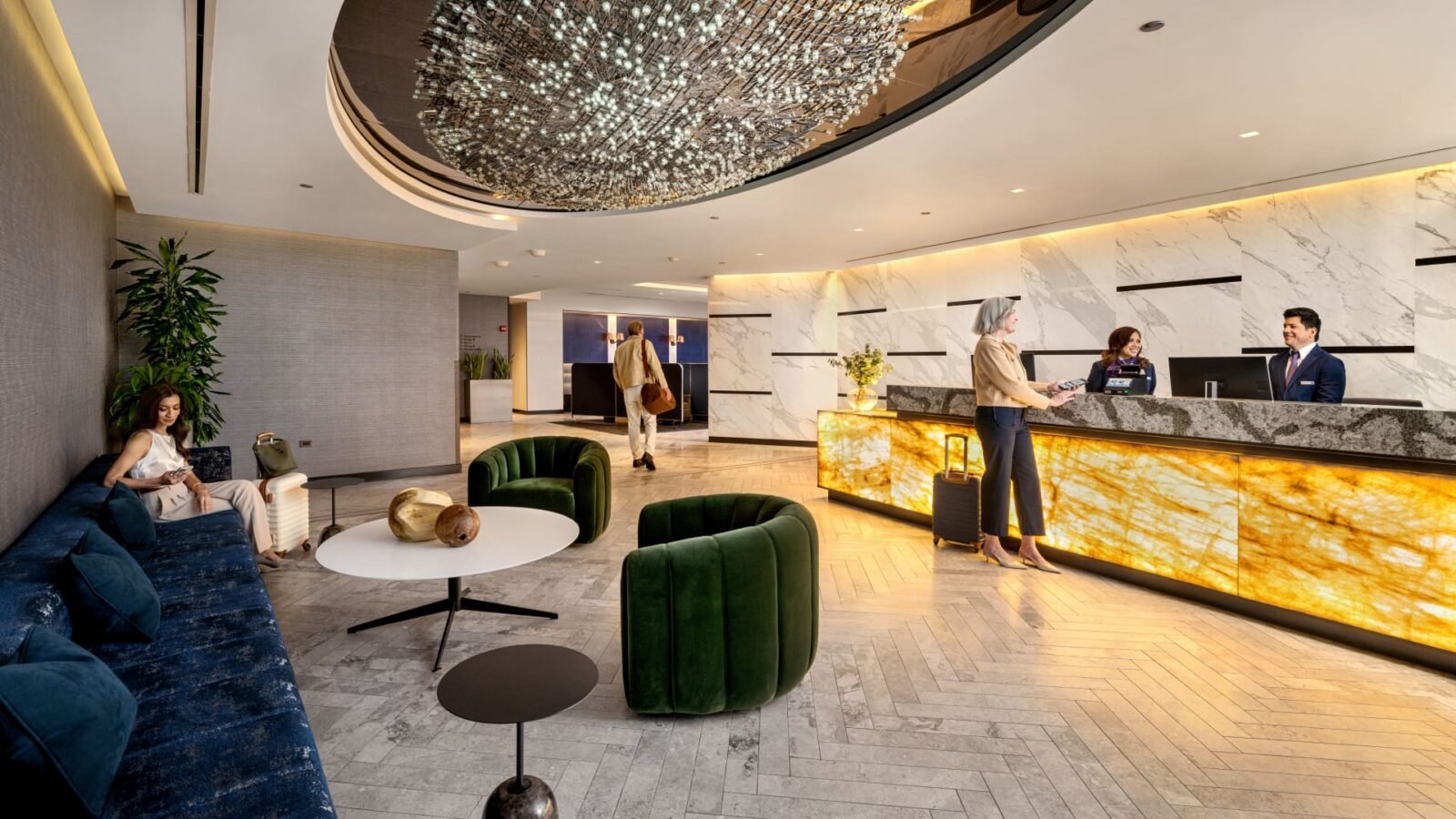
The fare differences can be substantial. On United, a base Polaris ticket from Newark to London Heathrow departing October 1 and returning October 8 was priced at $4,490, compared to $4,890 for a standard fare and $5,390 for a flexible, refundable option. The cheapest ticket excludes access to United’s Polaris lounge, which features a bar, sit-down dining, rest areas, and showers.
For many corporate travel managers, the economics don’t add up. Two travel managers at public companies attending the Global Business Travel Association’s annual convention in Chicago said they would likely block the fares entirely, though they spoke on condition of anonymity because they weren’t authorized to discuss their employers’ travel spending.
The timing is particularly challenging as airfare climbs across the board. According to the Global Business Travel Association’s forecast this week, global airfare is expected to rise close to 5% this year to an average of $756 for a roundtrip flight, with premium fares increasing even more sharply at 9.5% to $4,488.
Industry Divided on Approach
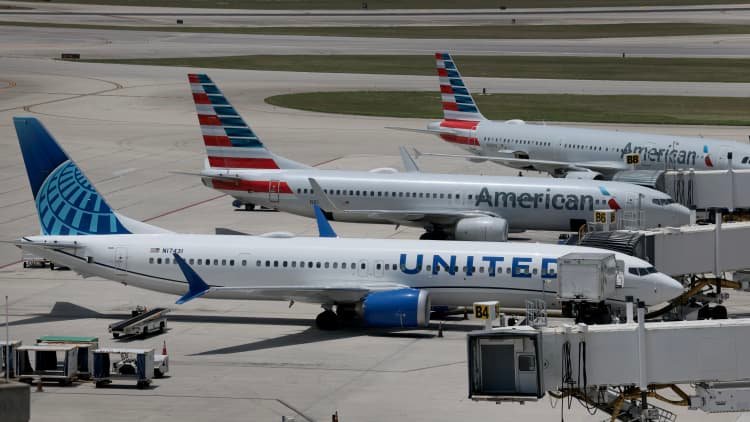
Not all airlines have embraced the basic business model. American Airlines doesn’t offer basic business or basic premium economy fares, which could create confusion when fare comparisons show competitors appearing cheaper at first glance.
“Travel managers are asking a sensible question: Does the lower upfront fare still represent good value if it lacks flexibility, seat selection, lounge access or other benefits their travelers expect?” said Dane Molter, senior vice president at Navan Group Travel Marketplace, which reported $9.1 billion in gross booking volume in the 12 months ended January 31.
Clients using Navan’s platform are seeking more detailed policy controls to determine which fares employees can book, according to Molter.
John Bukowski, vice president of global marketplace experience, product and engineering at American Express Global Business Travel, which had $36.3 billion in bookings in 2025, told CNBC he hasn’t seen many clients seeking to block the fares so far, unlike the widespread blocking of basic economy tickets that began about a decade ago.
Drawing from the Budget Airline Playbook
While foreign carriers like Lufthansa and Etihad Airways have already offered stripped-down basic business class fares, the concept is still relatively new for U.S. airlines. The strategy mirrors the success airlines found with basic economy, where executives have frequently measured performance by how many travelers paid extra to avoid the restrictions.
Scott Laurence, a partner at Oliver Wyman’s transportation practice who previously worked at JetBlue Airways and American Airlines, suggested the cheaper basic business fares might appeal to smaller, more price-sensitive companies. However, he warned that the variety of options could become complicated.
“The travel managers are going to value some level of simplicity and making sure things work with their expense system and their policy,” Laurence said. He added that managers should expect significant feedback from employees accustomed to lounge access after long-haul flights or concerned about earning fewer miles.
In a statement, Delta defended the new fares as giving customers more choice: “We support our corporate travel partners by giving them full control over which fare products are available to their business travelers based on their own policies and business objectives.”
Despite the pushback from some corporate clients, Laurence noted that airlines have a clear motivation beyond just offering lower prices. “There’s an interest in offering a lower price point,” he said. “It also is, frankly, about driving buy up.”
Source: www.cnbc.com — https://www.cnbc.com/2026/08/07/business-business-premium-fares.html
This article is for informational purposes only and does not constitute financial, investment, tax, or legal advice. Do your own research and consult a licensed professional before making financial decisions.