Los Angeles County is grappling with a dramatic resurgence of flea-borne typhus, a disease historically associated with medieval times, as cases have increased by 2,300 percent since 2009. The county recorded 220 cases in 2025, marking another record high following 187 cases in 2024, according to a recent investigation published in City Journal.
The investigation, conducted by Christopher Rufo and Ryan Thorpe, examined the convergence of factors enabling the disease’s spread in the nation’s second-largest city. Based on interviews with rodent control experts, field reporting, and hundreds of pages of public records, the report reveals how infrastructure deterioration, homelessness, waste management issues, and state-level pesticide restrictions have created conditions conducive to typhus transmission.
Understanding the Transmission
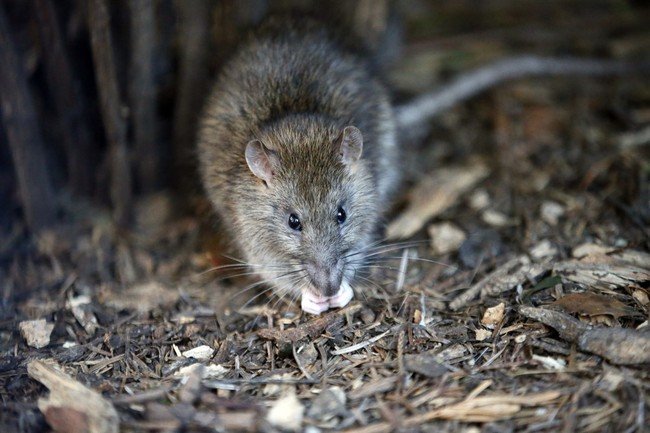
Typhus spreads when fleas become infected by feeding on carrier animals—primarily rats, opossums, and stray cats in urban environments. Unlike diseases transmitted directly through insect bites, typhus bacteria spread through flea feces. The fleas then move between hosts, potentially infecting humans in densely populated areas.
For much of the early 2000s, Los Angeles County recorded only a handful of typhus cases annually. In 2009, the county documented just nine cases. By 2018, multiple localized outbreaks signaled a turning point for public health officials.
The situation worsened in 2022, when the county recorded 171 cases and experienced multiple simultaneous outbreaks in neighborhoods including Boyle Heights, Eagle Rock, and Glassell Park. That year also marked the first documented typhus deaths in decades, with three fatalities reported.
Impact on City Workers and Residents
City employees have been among those affected by the outbreak. Fire Captain Raul Cabrera of Station 6 reported that his facility was “being overrun by rats” from a nearby homeless encampment. Deputy City Attorney Elizabeth Greenwood contracted typhus after discovering insect bites on her leg at work, leading to severe illness that left her bedridden.

Public health officials noted that approximately 90 percent of typhus patients required hospitalization in 2025, underscoring the severity of infections.
Rat Population Growth
The underlying rat problem has intensified considerably. In 2025, pest control company Orkin named Los Angeles as America’s rattiest city for the first time—displacing Chicago, which had held the top position since the ranking began over a decade earlier.
Shannon Sked, national technical director at Orkin, observed that rats have not only grown in population but have become more aggressive in their behavior. She attributed this change partly to pandemic-era disruptions in food availability, which favored the survival of more aggressive specimens willing to venture out in search of sustenance.
Regulatory Constraints
Rodent control efforts have been complicated by state legislation restricting certain pesticides. In 2020, Governor Gavin Newsom signed legislation sharply limiting the use of anticoagulant rat poisons, with the stated goal of protecting mountain lions and other wildlife. Additional restrictions followed in 2024.
Anticoagulant poisons work by preventing blood clotting in rodents, leading to death from internal bleeding. Sked argued that these regulatory changes have significantly hampered urban rat control efforts, particularly in Los Angeles.
Systemic Management Gaps
Niamh Quinn, human-wildlife interactions advisor for the University of California’s agriculture and natural resources division, pointed to fragmented municipal management as a core issue. While individual buildings may employ private pest control, gaps exist in coordinated management of landscaping, rodents, and waste between properties, creating reservoirs that allow rat populations to persist and spread.
The City Journal investigation concluded that the convergence of street cleanliness challenges, waste accumulation, homelessness, growing rat populations, and disease prevention efforts presents an ongoing public health challenge for Los Angeles County officials.
Source: pjmedia.com — https://pjmedia.com/rick-moran/2026/08/06/los-angeles-isnt-just-a-third-world-city-the-typhus-outbreak-is-positively-medieval-n4955874
This article is for informational purposes only and does not constitute financial, investment, tax, or legal advice. Do your own research and consult a licensed professional before making financial decisions.